How to customize your AirPods shortcuts

Until iOS 11, you could only choose between activating Siri, or Play/Pause media when double-tapping either the left or right AirPod. But with the release of iOS 11, Apple gave AirPods users a few more options as to what a double-tap gesture can do. Indeed, we have a couple more controls available, and we can also choose specific controls for both the left and right AirPod.

USB Type-C is great, but the standard isn’t perfect yet

USB Type-C is a forward-thinking I/O standard that aims to bundle both ease of use and versatility in one universal package. Not only is it becoming popular in the mobile device market, but it’s also finding its way to the game console and portable notebook markets among others.

If you own any of Apple’s new MacBooks or MacBook Pros, then you’re likely already accustomed to the USB-C life. While it takes a little bit of getting used to at first, it can be a smooth transition after some time. Nevertheless, I have a beef with the USB-C standard; at least in its current form.

This tweak rounds your App Switcher cards’ corners like on the iPhone X

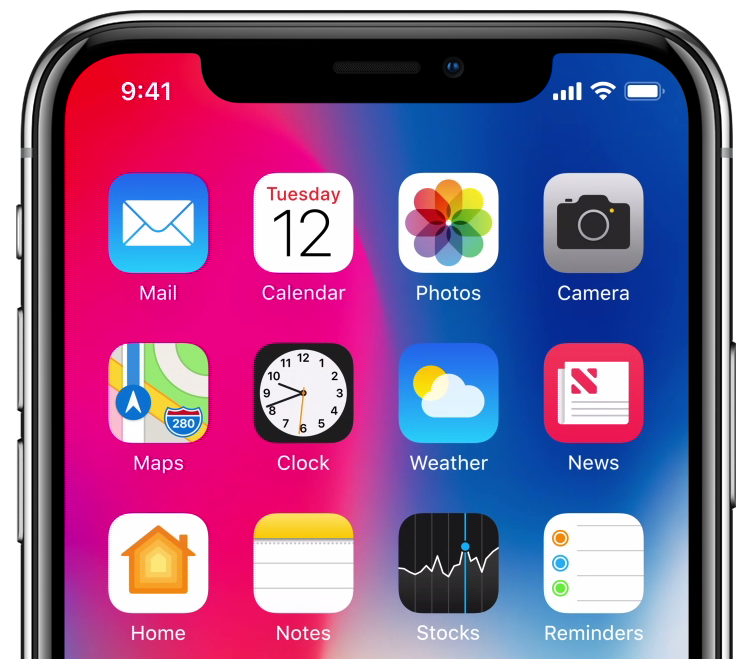
After Craig Feherighi demoed the iPhone X for the first time at last month's keynote, it became evident that several changes to the iOS user interface would need to accommodate for the new edge-to-edge OLED display, its rounded corners, and the notch.

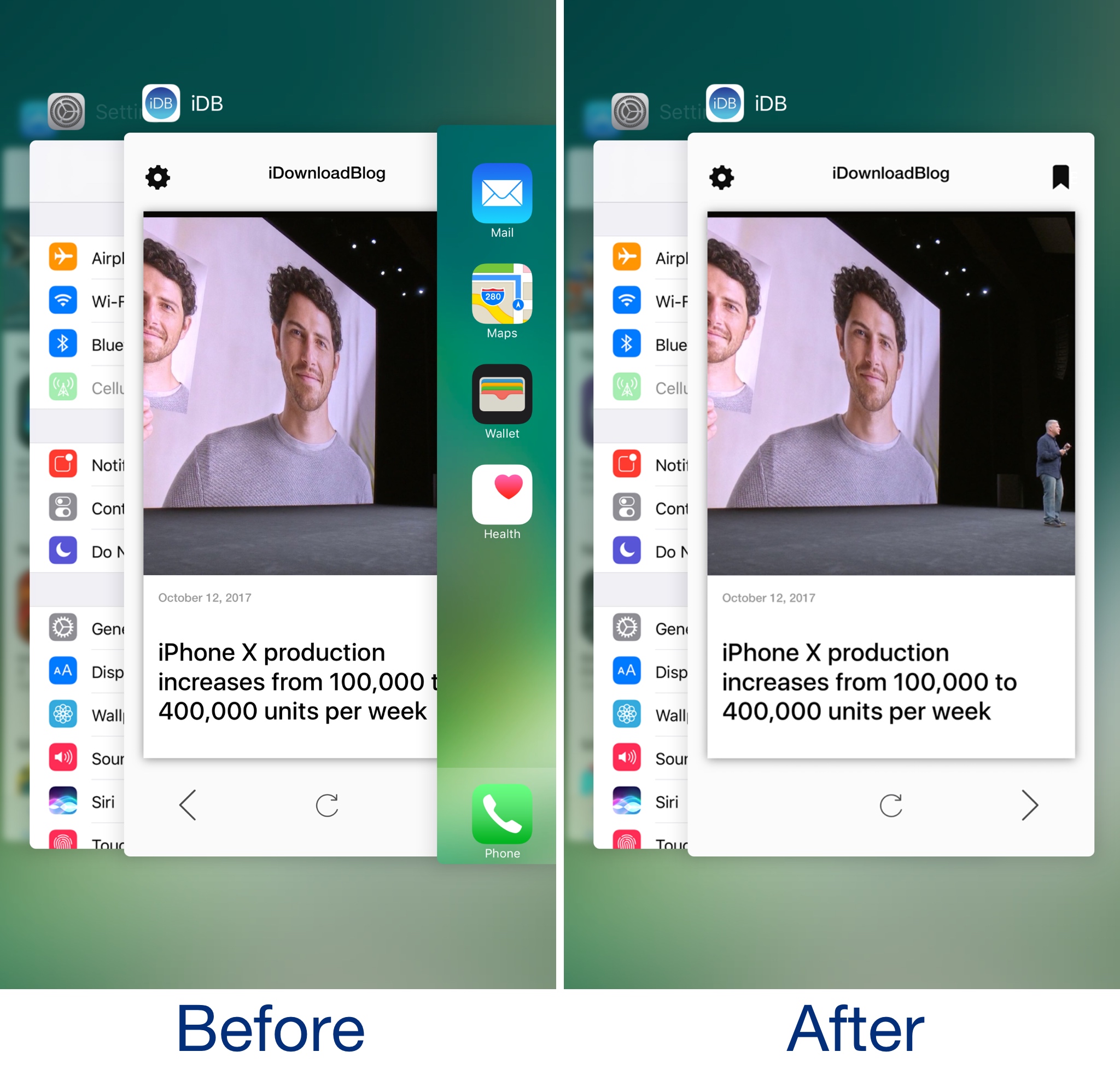
One of the differences was in the App Switcher where each of the cards exhibits heavily-rounded corners that match the aesthetic of the device's display. Other iPhone models don’t have as pronounced of roundness, but a new free jailbreak tweak called switcherRadii by iOS developer CreatureSurvive can replicate this effect on your non-X handset.

Apple closes the signing window for iOS 10.3.3 and 11.0

Apple on Wednesday stopped signing both iOS 10.3.3 and iOS 11.0, the first official public release of iOS 11 since the software came out of beta on September 19th. With this change, it's now impossible to downgrade iOS 11 devices back to iOS 10.

The company regularly stops signing older firmware versions to prevent downgrades and keep users on the latest firmware possible. It’s also a measure to thwart jailbreaking, which often requires an older firmware version where Apple hasn’t patched the vulnerabilities used in the jailbreak process.