The RootHide team on Monday released an updated version of the RootHide jailbreak detection bypass to version 1.0.7, bringing with it a plethora of improvements since the previous version.
The RootHide team on Monday released an updated version of the RootHide jailbreak detection bypass to version 1.0.7, bringing with it a plethora of improvements since the previous version.
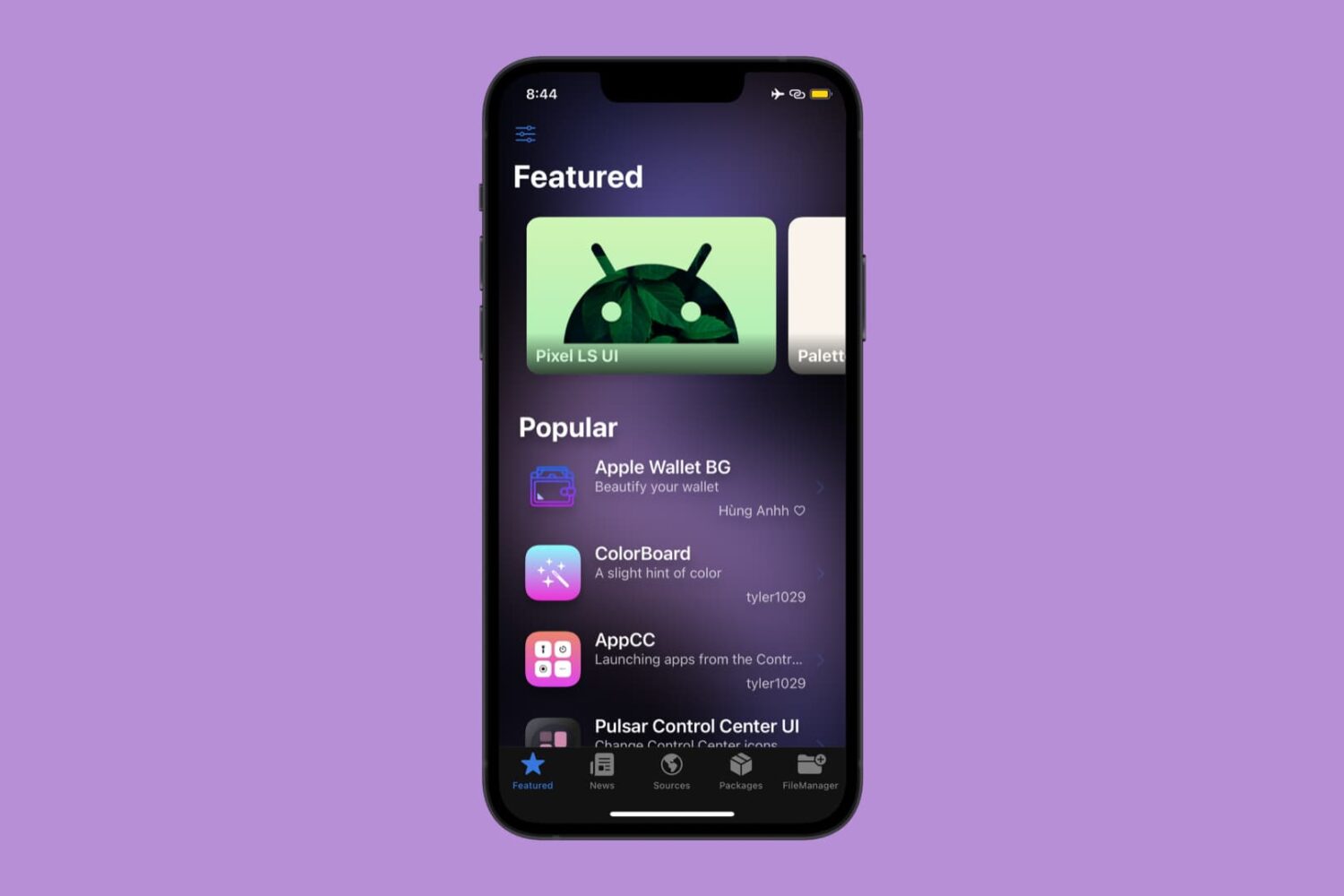
While jailbreaking has been a little bit slow lately in terms of new developments, the Misaka package manager app that hosts add-ons for various iOS & iPadOS 15, 16, and 17 device has been flourishing.

The iDownloadBlog team works tirelessly around the clock to make sure its readers have access to the latest iPhone hacking and jailbreaking news as it happens.
The Misaka package manager app picked up another useful update on Saturday, this time bringing the utility up to version 3.2.0.
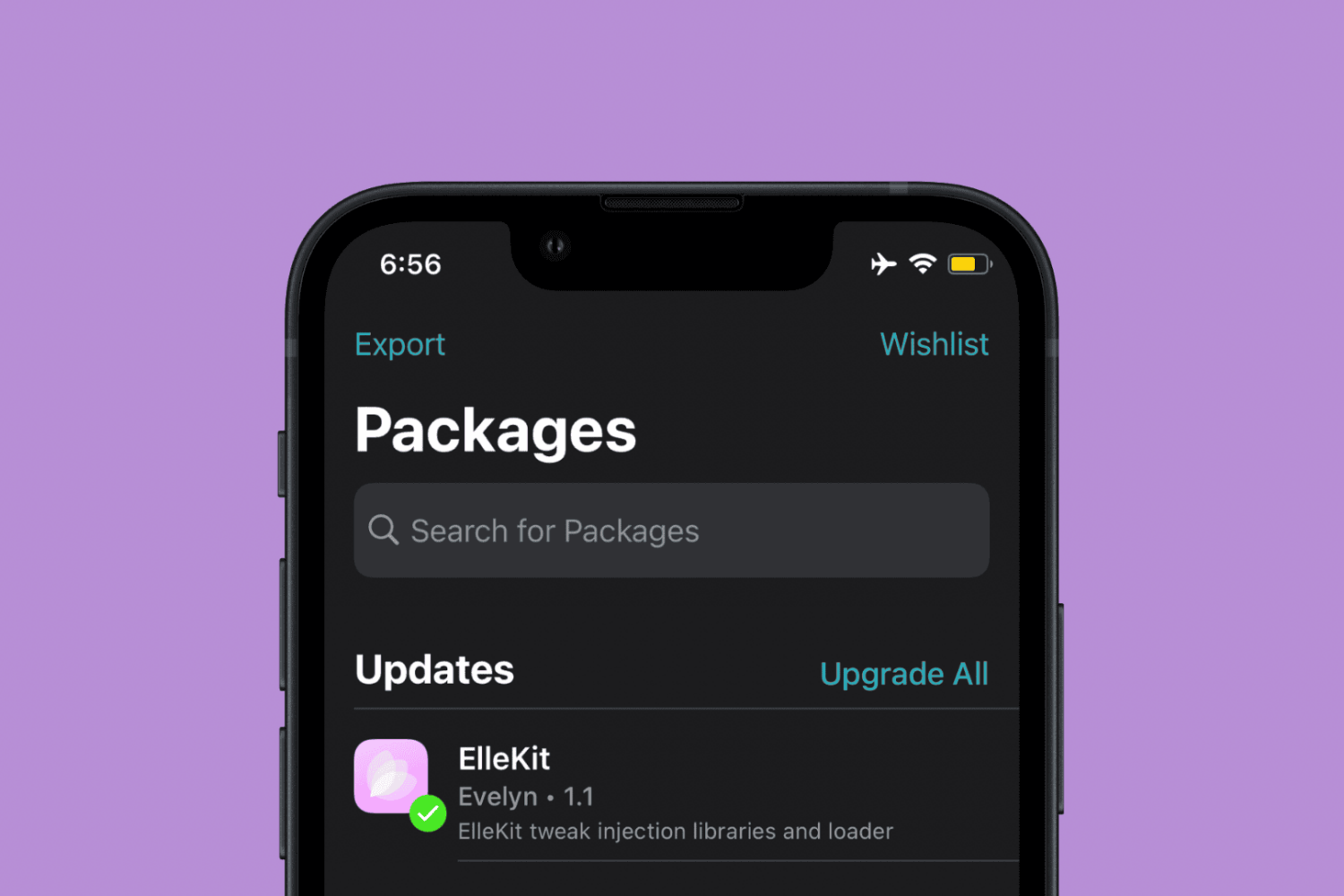
If you’re a user of the Dopamine or palera1n rootless jailbreaks for iOS or iPadOS 15.0-15.4.1, then you might want to pay attention to this.
Apple has stopped signing iOS & iPadOS 17.1, the first major software update for iOS & iPadOS 17 since it first debuted this Fall. This means that downgrades to iOS or iPadOS 17.1 are no longer possible on modern handsets.
The Misaka package manager app received another important update on Wednesday, this time bringing it up to version 3.1.6.
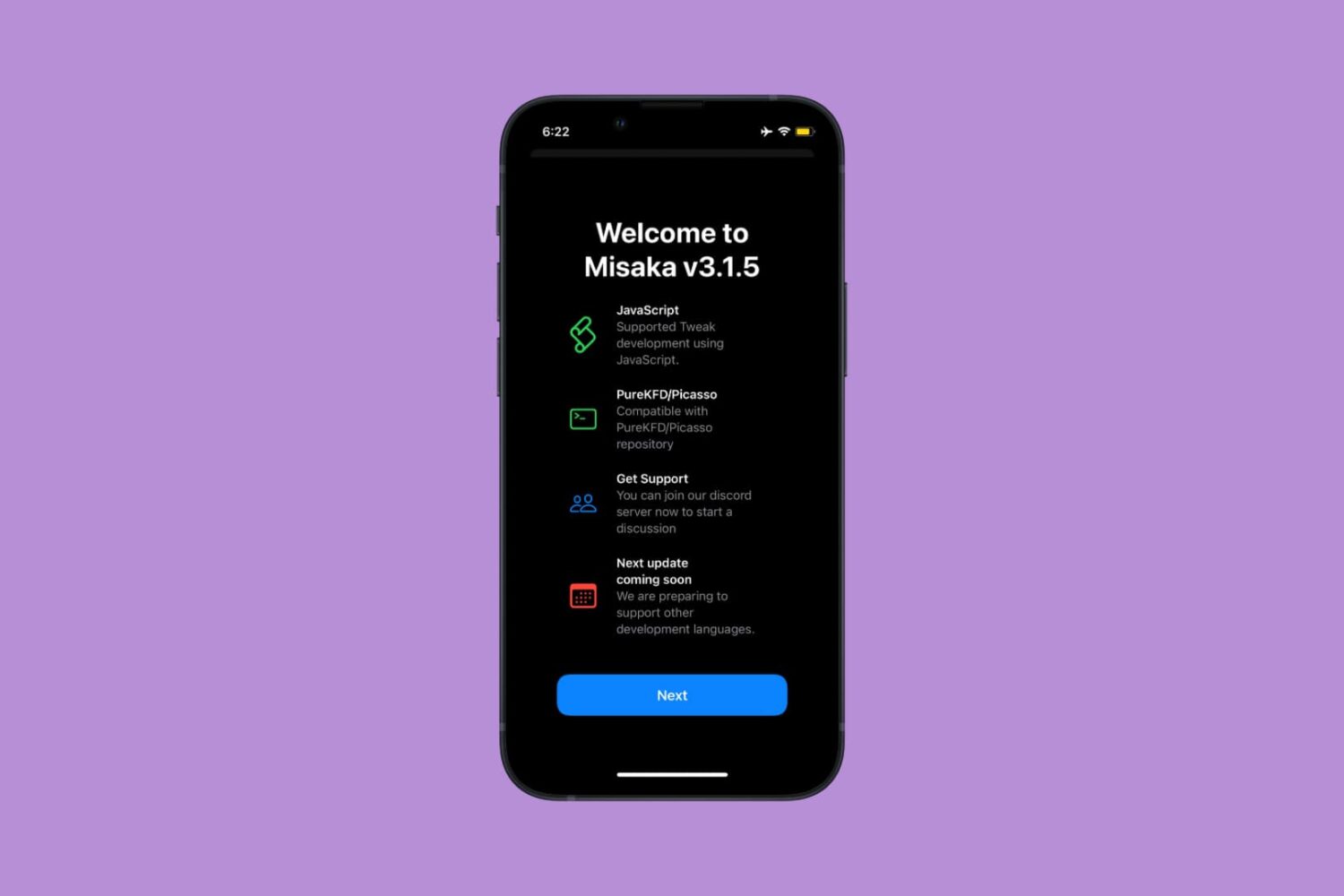
The Misaka package manager app has received yet another update, this time to version 3.1.5, bringing another list of bug fixes and user experience improvements to the table.
The Misaka package manager, renowned for letting users install hacks and add-ons on their non-jailbroken devices running iOS & iPadOS 15, 16, and 17, received a slew of important updates over the weekend that are worth discussing.
Apple over the weekend stopped signing iOS & iPadOS 17.0.2, an older firmware that interestingly remained signed even after the Cupertino-based company stopped signing the newer iOS & iPadOS 17.0.3.
Having coverage of the latest iPhone and iPad hacking and jailbreaking news as it happens is our specialty, but outside of that, we also recognize how most people lead busy lives and can’t keep their eyes glued to their phone or computer all day long waiting for news.
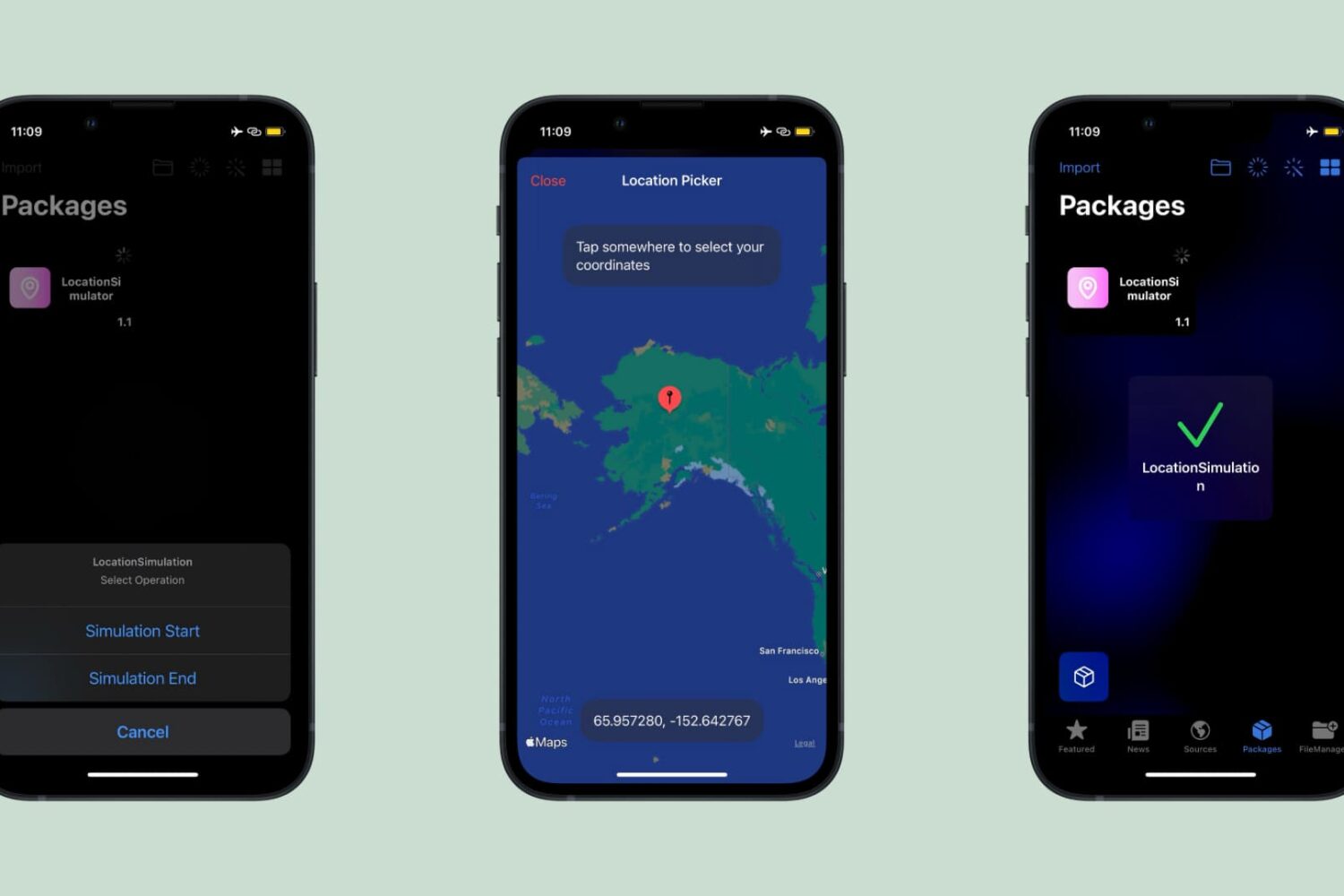
While most people want their iPhone to recognize their true location for mapping and navigation, there are niche circumstances under which users can benefit from spoofed locations — that is, faking your location.