Ed Sutherland

Canalys: one in five smart devices are Apple

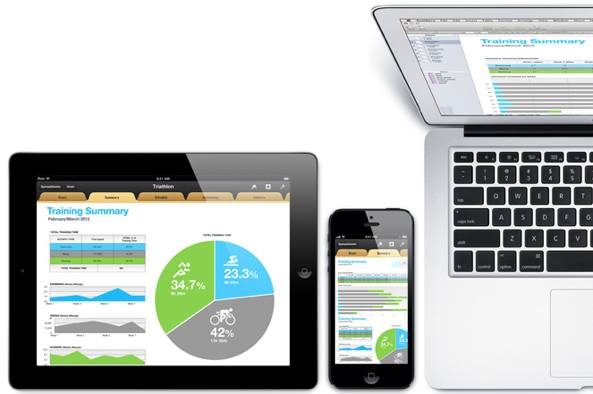
Research firm Canalys Thursday offered data on first-quarter smart mobile device shipments, with an estimated 300+ million new units for a 37.4 percent year-over-year growth. Google's Android powered 59 percent and Apple's iOS powered a little over nineteen percent of these devices, according to researchers. Key takeaways: Android leads the smartphone race, Apple is holding onto the tablet market and laptop demand continues falling.

Pay attention to Canalys's parlance because 'smart mobile devices' include smartphones, tablets and laptops. Another important caveat: Canalys stats don’t divulge shipped vs sold units. This is an important distinction as a device shipped into a channel does not automatically result in a device sold to a consumer...
Apple wins iBooks trademark case

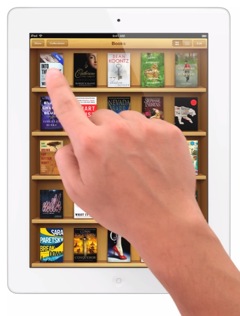
A New York judge has thrown out a trademark lawsuit against Apple's iBooks service. A sci-fi and fantasy publisher had claimed Apple's use of the 'iBooks' mark would confuse consumers. In her ruling, U.S. District Judge Denise Cote wrote that Black Tower Press "offered no evidence" that consumers would misinterpret Apple's e-book service as a book publisher. In addition Cote said the publisher's image of a lightbulb emblazoned with the word 'iBooks' was distinctive enough to merit continuing the 2011 case...

USPTO publishes Apple’s extensive Lightning connector patent

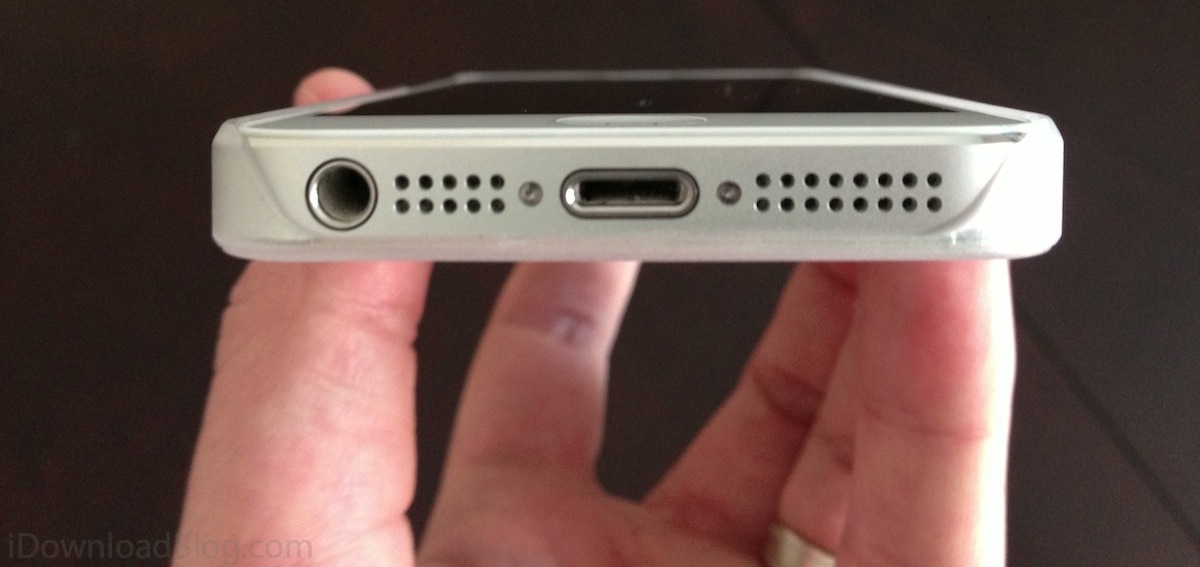
Much has been written about Apple's new Lightning connector, introduced with the iPhone 5 to supercede the aging 30-pin Dock connection. Thursday, the United States Patent and Trademark Office published three Apple patent filings from 2012 detailing how the Lightning connector is built. Among the questions addressed: how did Apple create an "orientation agnostic" connector design while also ensuring stability and proper alignment?

Samsung’s cash pile triples, but still no match for Apple’s $145B hoard

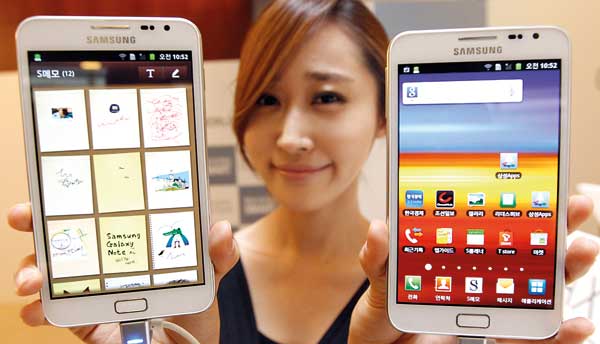
Much is being made of Samsung's hoard of cash, estimated at $28.5 billion once the South Korean conglomerate's debt is taken into consideration. At any rate, the Galaxy maker has watched its net cash almost triple in the past year, thanks to double-digit profits fueled by the rising sales of its mobile division which makes smartphones and tablets.

In just three years, mobile phones have grown to be 74 percent of Samsung's profits, overshadowing sales of LCD TVs and memory chips. On other words, three out of every four dollars Samsung earns come from mobile devices.

However, Apple remains the industry's most-profitable player, retaining a $145 billion cash pile while offering anxious investors a $100 billion stock buyback. Is Samsung destined to follow Apple's footsteps, or repeat the errors of other Asian giants, such as Panasonic, drowning in debt?

Apple v Samsung fight for mobile profits intensifies

For some time, whenever Android proponents argued for the platform's dominance based on handsets shipped, Apple fans would counter by pointing out the iPhone was tops in profits.

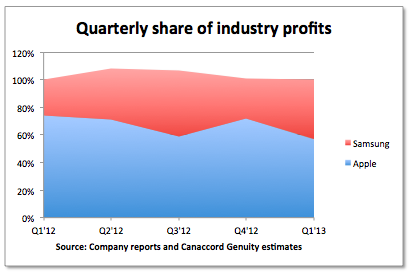
Indeed, a new report shows Apple had more than half of all mobile profits during the first quarter of 2013, leading Android handset rival Samsung.

According to Canaccord Genuity, the iPhone maker came away from this year's first period with 57 percent of mobile phone profits, despite having just eight percent of the worldwide handset market share.

By contrast, South Korea's Samsung - which leads in market share - earned just 43 percent of the share of profits. However, the two companies could soon switch positions. The analyst firm claims iPhone sales will be weak in the upcoming June quarter, overshadowed by profits fueled by Samsung's new Galaxy S4...

Apple to begin producing multiple new iPhones next month, per Morgan Stanley

A well-known Wall Street Apple observer expects Apple's manufacturing partners to start producing multiple new iPhone models in June or July, with the new smartphones introduced around September.

While the analyst note meshes with today's report of Sharp gearing up to begin mass production of the iPhone 5S screens next month and other reports mentioning multiple iPhones on Apple's roadmap, what's perhaps most interesting is word that any drop-off in iPhone demand seems to be over.

And in her additional remarks bolstered by others, Morgan Stanley analyst Katy Huberty tells investors Wednesday that Apple could sell many iPhones in China even if the device were not priced cheaply...

Apple patents smart audio splitter

Many of us have shared a pair of earbuds with a friend. The problem crops up when you enjoy rocking out at max volume while your friend enjoys a more modest audio level. Enter Apple with what's essentially an intelligent audio splitter.

Instead of enduring the default sound level of the iPhone or iPod, an adapter envisioned by Apple would allow you to customize your individual audio, according to a patent published by the U.S. Patent and Trademark Office Tuesday.

Additionally, the headphone splitter would permit two people to use built-in mics to speak over the soundtrack, opening up some wild possibilities with gaming...

Apple missing some 2.8 billion potential iPhone customers due to carrier demands

Much talk surrounding Apple has centered on a cooling consumer demand for its flagship product, the iPhone smartphone. However, it may be time to shift the narrative to feet-dragging by a number of global operators that could hold the key to as many as 2.8 billion iPhone customers, according to a Monday report.

Instead of a slowdown in demand, a Monday report by Bloomberg suggests the larger problem is vastly limited access to customers. Two numbers go far to tell the story: 240 and 800. While Apple has 240 carrier agreements throughout the world, rival Samsung has inked deals with virtually every of the 800 wireless providers. Indeed, Apple is lacking agreements to boost sales of the iPhone in some of the most-populated regions, including China, Japan, India and Russia...

Accessories makers embracing Bluetooth to side-step Lightning, AirPlay and Apple exclusivity

A growing trend by accessory makers to adopt wireless connections could disconnect Apple from a significant source of revenue. In a departure from the days of the iPod, where accessories such as speakers were designed with 30-pin connections fitting only Apple devices, add-on device manufacturers are have increasingly been turning to Bluetooth for some time to connect a growing number of mobile devices - many not made by Apple.

The reason for the transition includes the rise of Samsung, Amazon and other iPhone and iPad rivals, along with the feeling Apple kept secret from accessory makers its new Lightning connection. As a result, some of the largest accessory makers are turning to the wireless Bluetooth standard to avoid any more surprises from Apple, according to the New York Times...

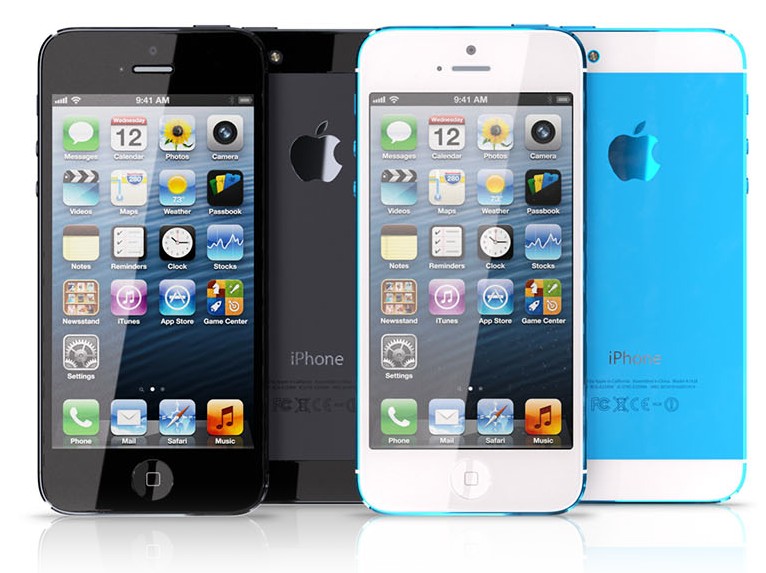
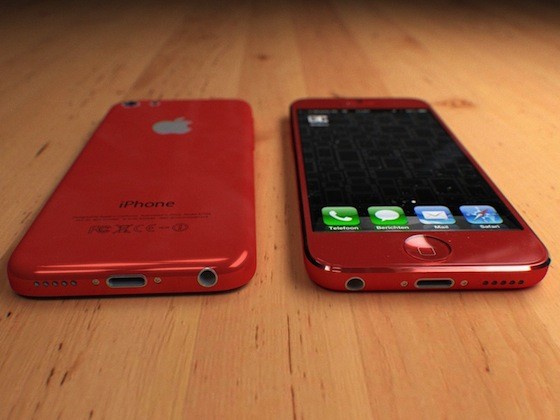
Budget iPhone could be $350 mid-range device

Android is gaining ground largely by offering a cheaper alternative to Apple's higher-priced iPhone and iPad. Case in point: Acer's just announced $169 Iconia A1 Jelly Bean tablet. Now, for some time there's been a drumbeat for Apple to respond with a cheap smartphone of its own, one sold unsubsidized and off-contract to cash-strapped buyers in emerging markets.

However, now comes a voice suggesting Apple doesn't have to slash prices to improve its market standing. Instead, it could offer a mid-priced iPhone and in the process could cut rival Samsung's U.S. operations off at the knees.

There's no need for hokey plastic fake prototypes or leaks from "insiders." Apple needs only to repeat what its done numerous times in the past, opine two Wall Street Apple observers at J.P. Morgan...

Behind the data: iPad market share fell below 40 percent, or did it?

In the latest lesson on how to be a smart tech news consumer, we focus on why research pointing to Apple gains somehow is trumpeted as losses for the iPad maker.

Wednesday, research firm IDC announced Apple's tablet saw a 65 percent year-over-year gain in first-quarter shipments.

Yet several news outlets blared headlines of the iPad's market share falling below 40 percent. How was Apple's strong growth spun into an Android win?

Apple’s battery patents hint at rounded gizmos

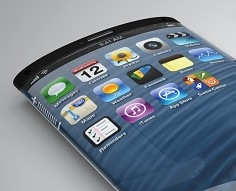
The days of boxy computers are history, so why are the batteries which power them still the same shape? That's the question a pair of new Apple patent applications seek to answer. The patents filed in 2011 with the U.S. Patent and Trademark Office describe "non-rectangular batteries for portable devices."

The iPhone and iPad maker outlines a way to customize the shape of batteries to fit the flexibility of today's consumer electronics, including the growing array of wearable devices, such as the highly-discussed iWatch or Google's Glass eyewear...