iPhone

Stay up-to-date on the latest iPhone news and learn new tips and tricks with our comprehensive tutorials. From software updates to new features, we’ve got you covered.

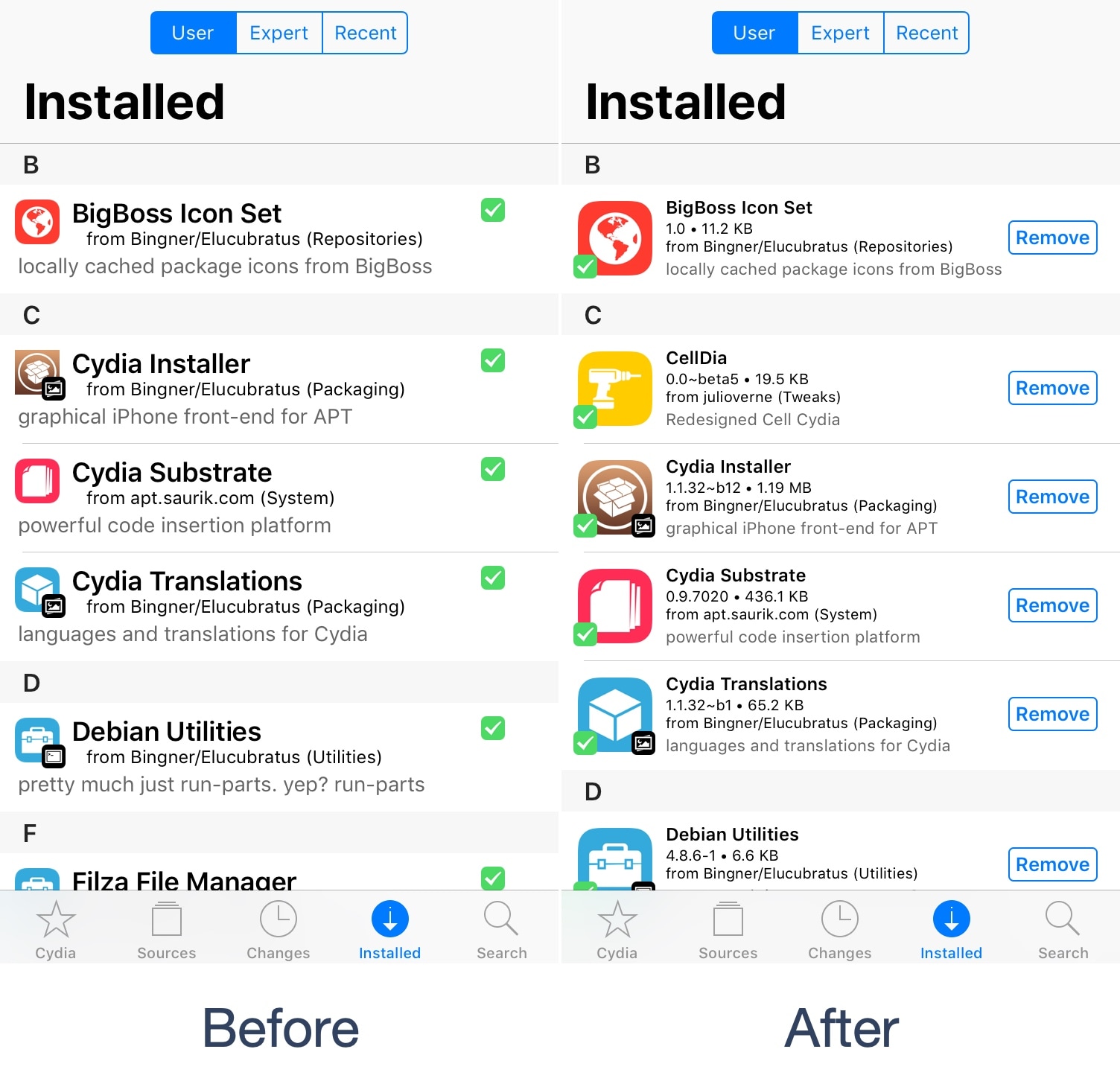
Looking to give Cydia a modernized facelift? Try CellDia

Despite the relatively small number of redecorations the Cydia app has received over the last several years, it continues to be a reliable package manager today. Fortunately, Saurik (Jay Freeman) empowered developers to tweak and modify the Cydia app under Cydia Substrate starting in 2015.

Given the circumstances, the ball is very much in the jailbreak community’s court to make Cydia look and behave differently than it does out of the box, and that’s exactly what a free jailbreak tweak called CellDia by iOS developer Julio Verne attempts to accomplish as you’re about to witness.

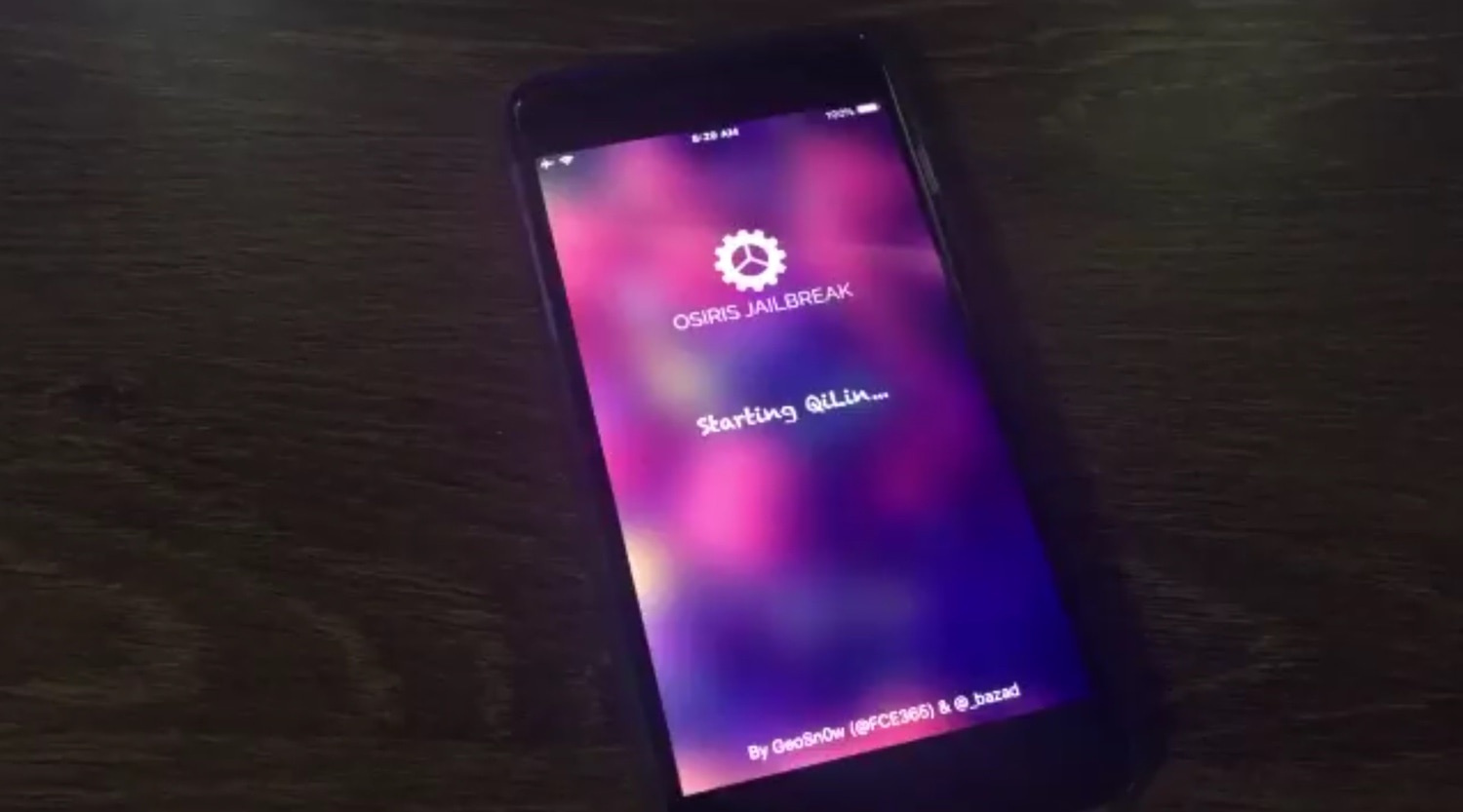
Geosn0w releases OsirisJailbreak12, an incomplete ‘developer-only’ “jailbreak” PoC for iOS 12.0-12.1.2

Wednesday saw two separate jailbreak tools (Electra and unc0ver) pick up support for iOS 11.4.x, so one might be inclined to say that it’s been a decent day for the jailbreak community. But wait… there’s more!

Wednesday evening, hacker and software tinkerer @Geosn0w announced the release of an incomplete ‘developer-only jailbreak’ for iOS 12.0-12.1.2 dubbed OsirisJailbreak12. The work was made possible by the tfp0 exploit that was just recently unleashed by security researcher Brandon Azad:

Pwn20wnd releases unc0ver v2.2.2, updates v3.0.0 pre-release to fix Cydia installation and bootstrap bugs

Shortly after the Electra Team dropped a couple of updates for the Electra jailbreak tool, hacker and unc0ver lead developer Pwn20wnd released a duo of updates to the unc0ver jailbreak tool to the general public.

Pwn20wnd announced the updates Wednesday afternoon via Twitter, noting that it would resolve a problem with installing Cydia and extracting bootstrap upon jailbreaking. At the time of this writing, unc0ver v2.2.2 is now the latest public release:

The latest iTunes beta prevents iOS downgrades

We've always been able to downgrade to a recent iOS version by installing an IPSW file on an iPhone or iPad through iTunes for Mac and Windows, but that's no longer possible in the latest iTunes 12.9 beta, distributed last week as part of the macOS Mojave 10.14.4 developer beta.

Pwn20wnd drops unc0ver v3.0.0 pre-release with support for iOS 11.4.x, releases unc0ver v2.2.0 to the masses

Not long after the Electra Team released Electra version 1.2.0 with official support for iOS 11.4-11.4.1, hacker and uncover lead developer Pwn20wnd officially released unc0ver v2.2.0 to the masses and dropped the first unc0ver v3.0.0 pre-release in its wake.

Pwn20wnd made the announcements via Twitter Wednesday afternoon, noting that the unc0ver v3.0.0 pre-release is based off unc0ver v2.2.0 but with support for Brandon Azad’s voucher_swap exploit for A9/A9X/A10/A10X/A11 devices running iOS 11.4-11.4.1 in addition to the preexisting support for iOS 11.0-11.4 beta 3:

Apple has 900 million iPhones in the wild, 1.4 billion devices worldwide

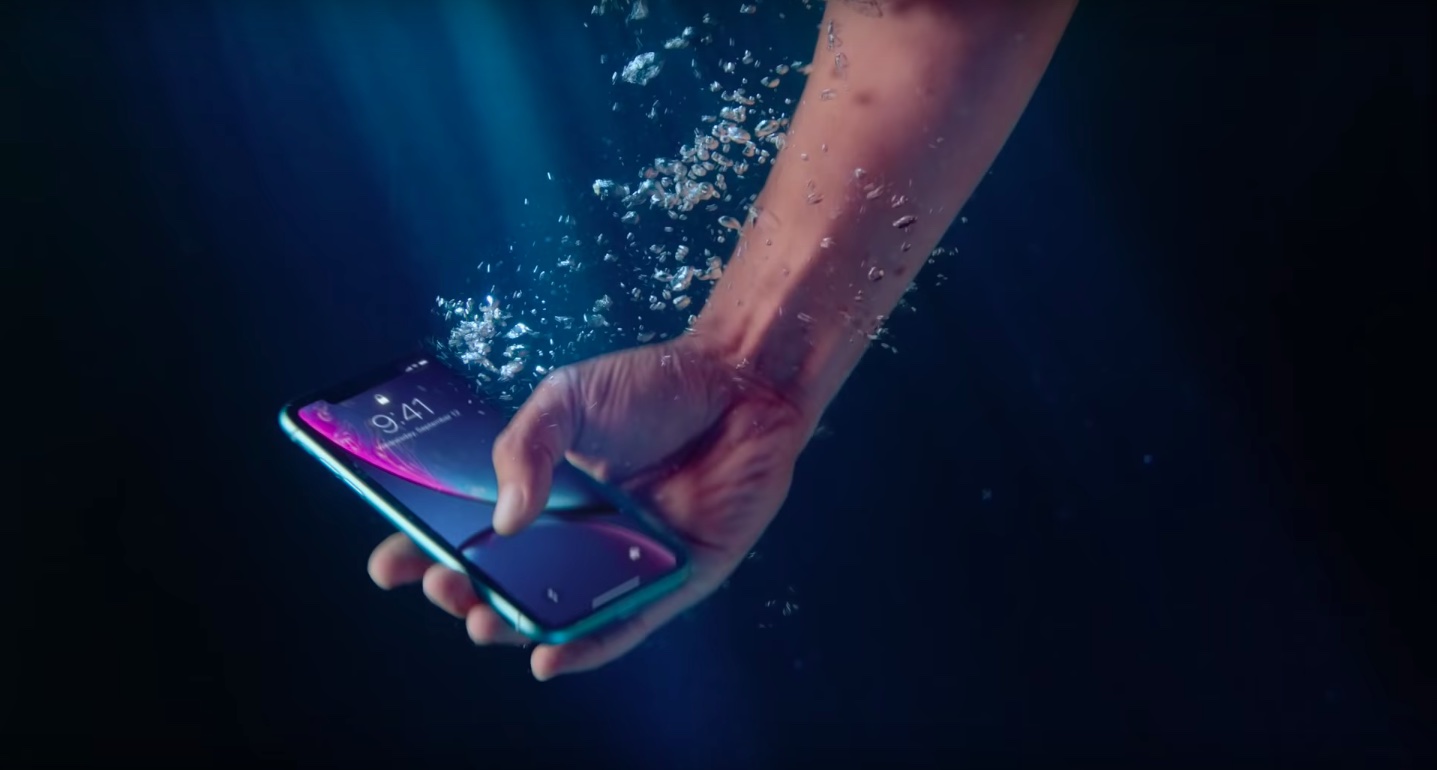
Holding an iPhone under water

At the end of the calendar 2018 holiday quarter, the Cupertino technology giant had a whopping 1.4 billion active devices worldwide and its iPhone installed base hit 900 million handsets, marking the first time the company has disclosed the latter number.

Apple previously reported the number of total active devices in usage, but this is definitely the first time it's disclosed the number of active iPhones out there.

Luca Maestri, Apple's finance chief, said on the conference call:

Our global active installed base of iPhone continues to grow and has reached an all time high at the end of December. We are disclosing that number now for the first time and it has surpassed 900 million devices, up year over year in each of our five geographic segments, and growing almost 75 million in the last 12 months alone.

While the definition of an active device is somewhat murky, Apple only counts the devices which actively use iCloud or have accessed App Store recently.

With 1.4 billion devices in the wild, of which 900 million are iPhones, we can infer that there are now about half a billion iPads, iPod touches, Macs, Apple TVs and Apple Watches in active use.

In August 2017, for example, Apple announced selling 1.2 billion iPhones cumulatively (it sold its billionth handset on July 26, 2016). Keep in mind that the total number of active devices can be misleading because Apple fans tend to own multiple products.

Cook at an all-hands meeting celebrating a billionth iPhone sold.

The iPhone installed base is incredibly important because it tells us how many iPhone-using customers are out there as very few people own multiple phones.

To mollify investors further, Maestri added that Apple plans to provide information on iPhone installed base, as well as total installed base, "on a periodic basis."

This was also Apple's first quarter without unit sales, taking away the yardstick everybody measured its business with. However, the replacement might be better: the Cupertino firm now focuses on the amount of revenue it generate through sales of devices and services.

Unit sales—the key metric to judge Apple's growth—is no more.

Now sales are split between products and services for the first time. Both Apple's press release announcing the earnings and remarks on the conference call strongly emphasize services.

"Not only is our large and growing installed base a powerful testament to the satisfaction and loyalty of our customers but it's also fueling our fast growing services business," Cook said.

Still, the burgeoning services business—growing by 19 percent to a record $10.9 billion—isn't without pitfalls. Squeezing money out of existing customers won't be enough to placate investors unless Apple's installed based, a key driver for Services, continues growing.

Apple's net sales by geography and product type

The more people own its devices, the more money Apple can make by upselling them to services. In that context, seeing its overall global active installed base growing by a hundred million devices in the past twelve months is a definite positive.

But as the narrative shifts from products to services, Apple could find itself in a precarious position should iPhone sales contract in other key markets, like the US and Europe.

Strategy Analytics estimates that Apple shipped 65.9 million iPhones worldwide during the all-important holiday quarter, representing a 15 percent decline on the same quarter a year ago.

The decline corresponds with Apple's reported 15 percent drop in iPhone revenue during the company's fiscal 2019 first quarter, which covers sales in the three months to December 29.

Aside from woes in China, Tim Cook attributed the sharp fall in iPhone upgrades to high retail pricing, death of subsidies and customers holding on to their phones a bit longer.

Apple is addressing slowing iPhone sales with aggressive trade-in offers.

He mentioned a bunch of other factors, like unfavorable foreign exchange rates, strong competition from rivals like China's Huawei and the $29 battery replacement program.

"So where it goes in the future, I don’t know," Cook said. "But I am convinced that making a great product that is high quality, that is the best thing for the customer. We work for the user and so that’s the way that we look at it."

In other Apple earnings highlights, the company revealed a bunch of interesting data points: 50 million paid Apple Music subscribers, 85 million monthly readers on Apple News, 1.8 billion Apple Pay transactions, 360 million paid subscribers across all of its services and more.

You can listen to a replay of the earnings call on Apple's website for a limited time.

Thoughts on these milestones?
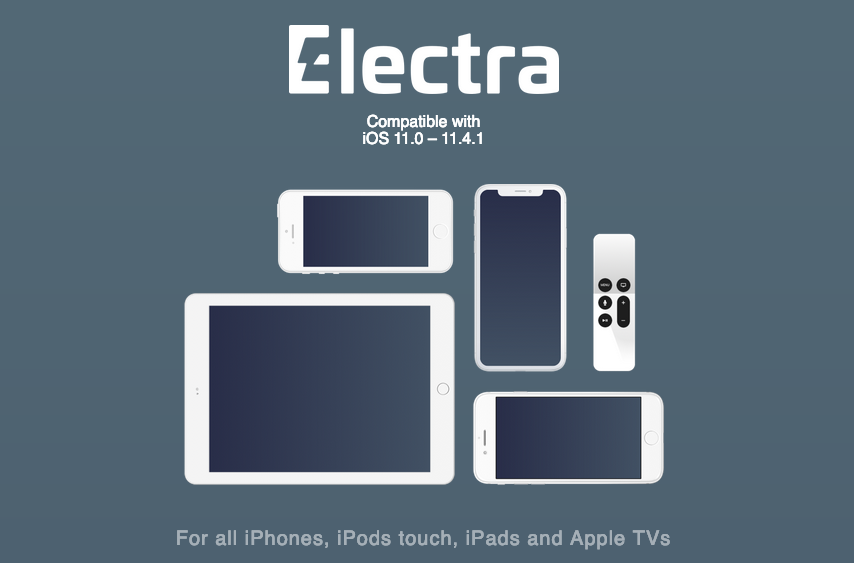
Electra Team releases Electra version 1.2.0 with support for iOS 11.4-11.4.1

On Wednesday, the Electra Team released an updated version of the iOS 11-centric Electra jailbreak tool. Version 1.2.0 adds official support for iOS 11.4 and 11.4.1, making it the first public jailbreak tool to officially support these firmware versions.

The Electra Team made the announcement via Twitter, noting that Electra 1.2.0 uses a newer exploit dubbed voucher_swap. This exploit is allegedly more reliable than the traditional multi_path or VFS exploits that users have been relying on for months:

iFixit extends its discounted DIY $30 iPhone battery replacement service through 2019

Apple's iPhone battery replacements are no longer available at a deep discount so repair site iFixit has decided to extend its own DIY iPhone battery discount through 2019.

iFixit wrote:

When Apple first announced their $29 battery replacement program in December 2017, we lowered the price of our DIY iPhone battery kits to match. Last month, Apple’s discounted battery replacement program ended, and they raised the price of their battery service from $29 to $49 (or $69, depending on your model).

In the wake of last year's iPhone throttling drama, the repair site lowered the price on all of its DIY iPhone battery fix kits to $29 or less. According to Barclay’s, 519 million iPhones were eligible for Apple's discounted program but the company replaced only eleven million batteries.

That means there are still hundreds of millions of affected iPhone owners who didn’t get a battery replacement—or didn’t know they needed one. So in a fit of righteous solidarity, we’re guaranteeing our iPhone battery prices will remain at $29.99 for at least the rest of the year.

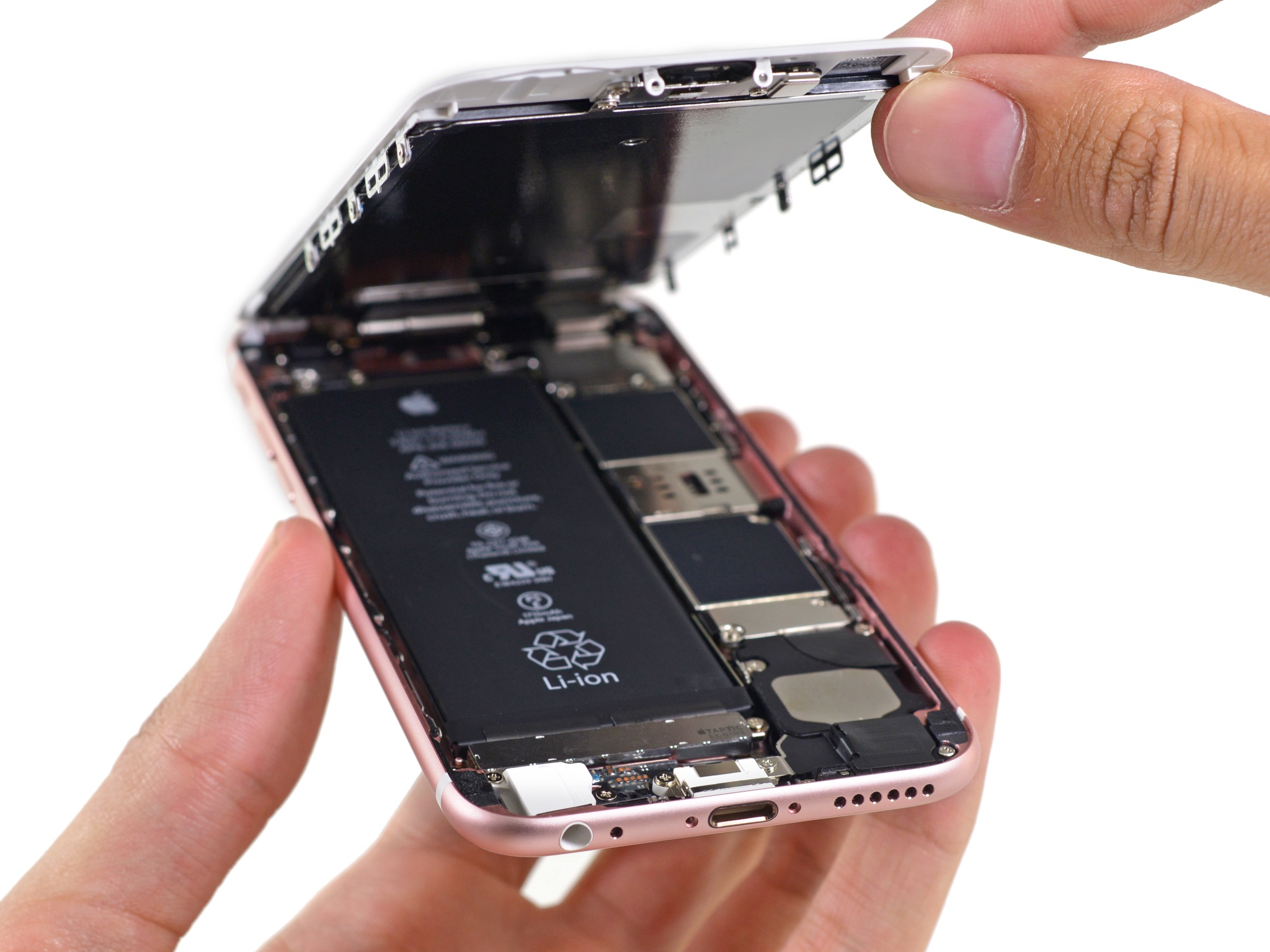
The iFixit kits include everything you need to open up and swap your own battery. And unlike Apple's own program, iFixit's battery kits are available for older iPhones like iPhone 4S, iPhone 5, iPhone 5s and iPhone 5c.

iFixit notes that the eleven million batteries Apple replaced is ten times the company's average repair rate of about one to two million iPhone battery replacements a year.

A year ago, Apple was charging $79 for iPhone batteries.

Apple currently charges out of warranty battery replacements at $69 a pop for iPhone X, iPhone XS, iPhone XS Max and iPhone XR. Older models like iPhone SE, iPhone 6, iPhone 6 Plus, iPhone 6s, iPhone 6s Plus, iPhone 7, iPhone 7 Plus, iPhone 8, iPhone 8 Plus "and all other eligible models" are subject to a $49 battery replacement fee.

Of course, if you have AppleCare+ protection, battery replacements are free.