iCloud

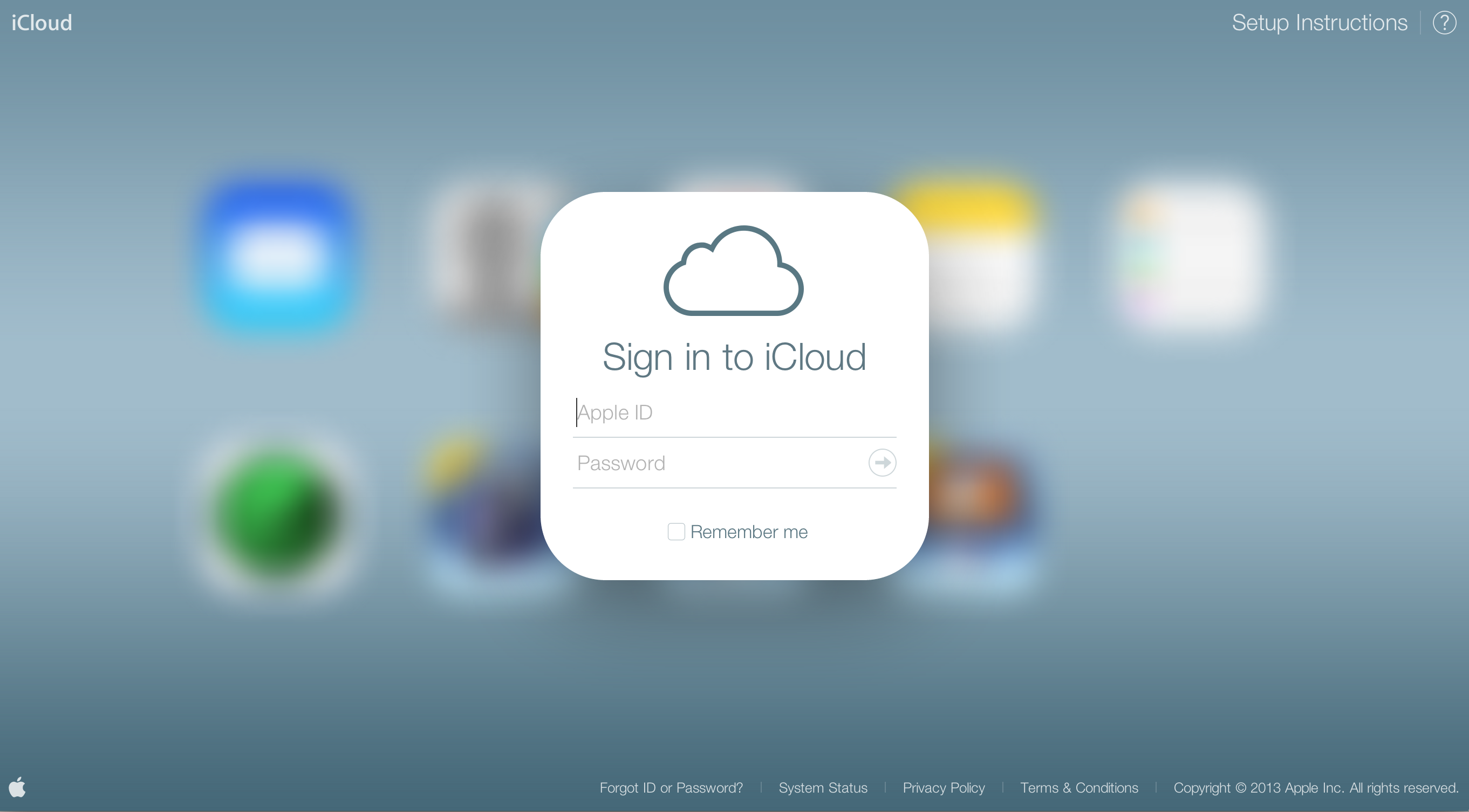
iCloud web portal again employing two-factor authentication

Several users have noticed that iCloud.com is once again employing two-factor authentication for users who have activated the security measure. The two-step process first popped up on the iCloud web portal back in June, but the feature was quickly pulled for unknown reasons.

For those unfamiliar with Apple's implementation of two-factor authentication, it requires users to verify their identity via text message or Find My iPhone push notification. It provides an extra layer of security in the event a user's device or Apple ID info becomes compromised.

iCloud Drive and Settings web apps go live on iCloud Beta, we go hands-on

As we count down the remaining days until the September 17 public release of iOS 8, Apple is busy updating a beta version of the iCloud web interface with a pair of newly-added web applications: iCloud Drive and Settings.

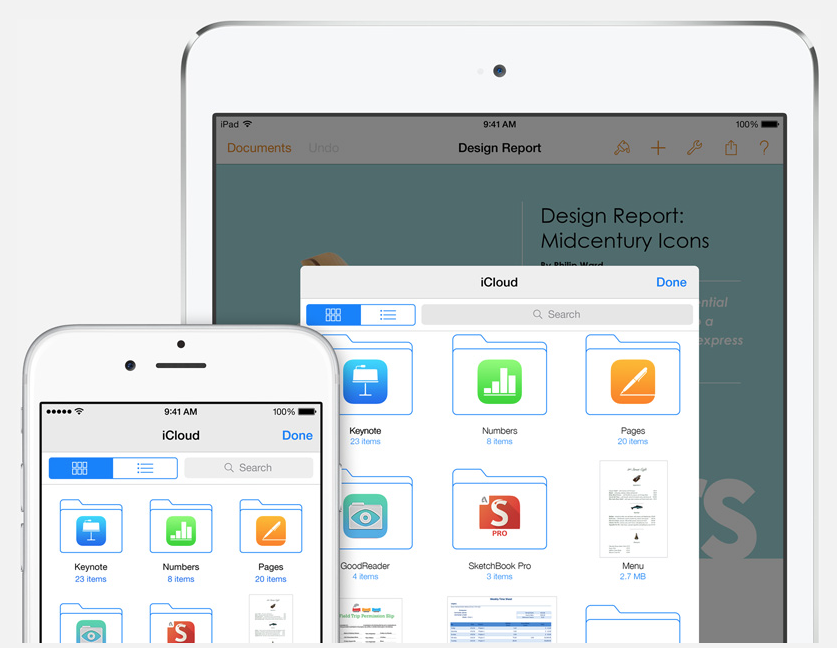
iCloud Drive is especially interesting as a web-based fronted for Apple's file-hosting service which can be accessed through a desktop web browser on any Internet-connected computer.

Though not as fully-featured as, say, Dropbox's web interface, iCloud Drive provides basic features to manage that cloud-based storage of yours, browse the file structure, as well as add, remove and download files.

Both web applications are available after logging in to beta.icloud.com.

Apple’s new iCloud storage plans now live, up to 1TB for $20 per month

Apple updated its iCloud website yesterday with additional information on its new iCloud storage plans. As of today, those storage plans are now live, allowing users to purchase additional iCloud storage of up to 1TB using the new pricing.

Of course, customers will continue to get 5GB of cloud storage for free, but Apple has dropped the pricing on the rest of its iCloud offerings ahead of the launch of iOS 8, OS X Yosemite and iCloud Drive. Keep reading for a quick rundown.

Apple reveals new iCloud pricing on storage plans up to 1TB

At some point during the craziness after yesterday's event, Apple quietly rolled out new iCloud storage plan pricing. In an update to the iCloud section on its website, the company posted pricing for storage plans ranging from 5GB to 1TB.

As before, customers will continue to get 5GB of storage for free, with 20GB of additional storage available for $0.99 per month. 200GB of storage will cost you $3.99 per month, 500GB $9.99, and the 1TB plan costs $19.99 per month.

Apple starts sending email alerts when you sign in to iCloud via a web browser

As noted by Letem světem Applem and confirmed by MacRumors editor Eric Slivka, Apple in the aftermath of the nude celeb pics scandal seems to have taken the first in a series of promised steps to bolster up the security of its cloud.

Now each time you sign in to iCloud through a web browser, the Cupertino firm will issue an email notice which contains a date and time that the account was accessed. This behavior is now enabled by default.

Previously, login alerts had been sent only if there was an attempt to log in to iCloud on an unknown Apple device.

Tim Cook speaks out on recent iCloud hacks, promises new security measures

Tim Cook sat down with The Wall Street Journal today, but not to talk about how excited Apple is about next week's iPhone event. Instead, the CEO answered questions regarding the recent iCloud scandal, which led to the posting of dozens of nude celebrity photos earlier this week.

Apple has already released a statement on the matter, claiming that iCloud and its subsequent services had not been breached. Cook reiterated those claims today, and added that the Cupertino company plans to rollout a number of new security features to make its devices more safe.

Apple shares drop 4% amidst iCloud security concerns

Shares of Apple dropped 4% today, closing this afternoon at $98.94. That's the stock's worst percentage slump since late January, and its worst value since it began its march towards its highest price ever in early August.

The news comes amidst the recent iCloud scandal, in which Apple's cloud security was blamed for the leaking of several revealing celebrity photos, and ahead of the company's highly anticipated iPhone event next week.

Celeb hacking tapped law enforcement tools to gain access to data inside device backups

The alleged iCloud hacking, which has resulted in a massive leak of hundreds of revealing celebrity photos, has most likely been made possible because attackers reportedly used a piece of software that law enforcement officials rely on to siphon data from iOS device backups, Wired reported last night.

Rather than obtain a user’s iCloud username and password with brute-force attacks, the article points to web forum reports describing using specialized software called Elcomsoft Phone Password Breaker (EPPB) to impersonate the user’s device in order to obtain the full device backup which holds data like photos, videos, application data, contacts, text messages and more.

Apple updates App Store guidelines with new rules for HealthKit and more

Apple posted an update this evening for its App Store review guidelines—a set of instructions for third-party developers on what iOS apps may or may not contain. Tonight's refresh adds rules for upcoming iOS 8 features such as extensions, HealthKit and HomeKit.

Most of the changes are only pertinent to developers, but there are a few things worth mentioning. Perhaps the most important item, in light of recent events, is that Apple says apps using the HealthKit framework that store user health data in iCloud will be rejected.

Apple sending out AppleSeed invites for Windows iCloud beta

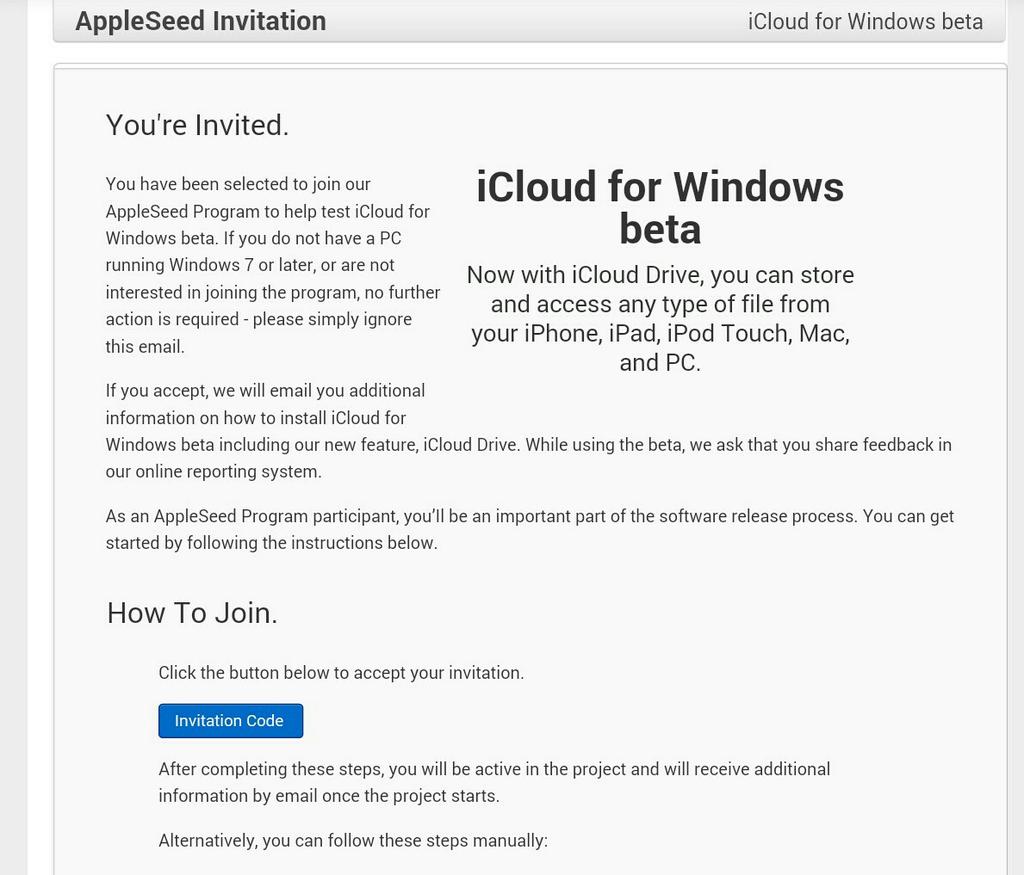
Apple has begun sending out invitations to AppleSeed members this afternoon for a new iCloud for Windows Beta. Introduced at WWDC in June, the app includes iCloud Drive, a new feature that allows you to store and access any file type from any iOS device, Mac or PC.

AppleSeed members who receive the invites must have a PC running Windows 7 or later to participate in the beta, and must accept the terms and conditions. Those who receive the invitation but don't meet the aforementioned requirements can simply ignore the e-mail.

Apple ‘actively investigating’ alleged iCloud hack that led to celeb photo leak

After nearly 24 hours of silence, Apple has finally commented on the alleged iCloud hack that led to a massive leak yesterday of nude celebrity photos. The Cupertino-based company says that it is aware of the reports and is "actively investigating" the claim.

"We take user privacy very seriously and are actively investigating this report," Apple spokeswoman Natalie Kerris told Recode in a statement. She did not, however, provide any additional details on the attack, or if iCloud was even the source of the photos.

Apple reportedly patches Find My iPhone vulnerability to hack Apple ID accounts

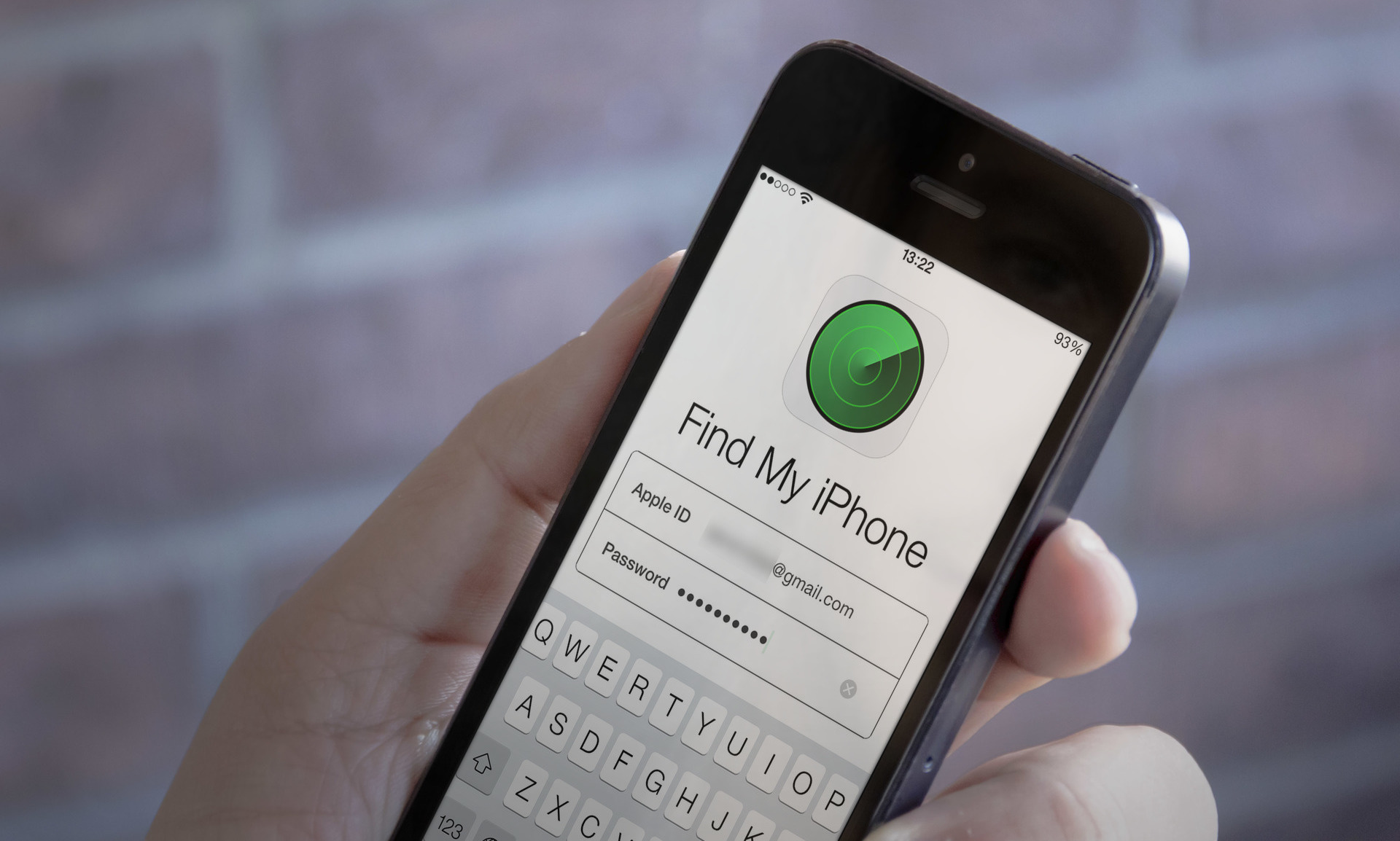
According to The Next Web this morning, Apple has allegedly patched a security hole in the Find My iPhone service which allowed nefarious users to brute-force Apple ID passwords, according to Twitter user @hackappcom who posted a proof of concept titled 'iBrute' to GitHub on Saturday.

This should be good news for celebrities who reported their iCloud accounts being hacked and saw their nude pictures posted online.

As Cody told you yesterday, Academy Award winner Jennifer Lawrence and several other celebrities found themselves in the middle of a major nude photo leak after attackers apparently exploited a vulnerability in Apple’s Find My iPhone service.