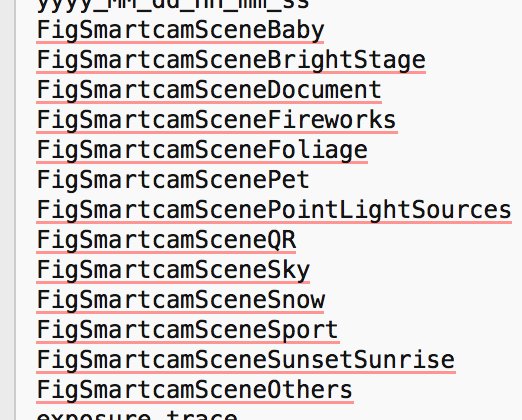
iOS developer Guilherme Rambo has unearthed (from Apple's botched HomePod firmware release) curious references to some smart camera features that might be coming to iPhone 8.
HomePod firmware hints at smart camera features coming to iPhone
Stay up-to-date on the latest HomePod news, and learn how to get the most out of your device with our comprehensive tutorials. From initial set up to advanced features, we’ve got you covered!
iOS developer Guilherme Rambo has unearthed (from Apple's botched HomePod firmware release) curious references to some smart camera features that might be coming to iPhone 8.
Aside from the “Hey Siri” response tone from the official video teaser for HomePod, we haven't heard any other sounds that Apple's wireless speaker will use when released this December.
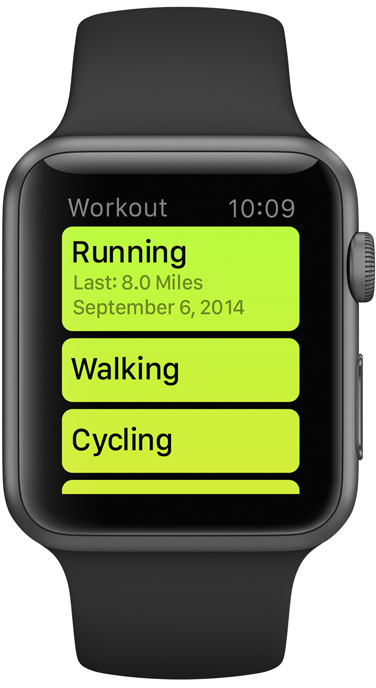
The unreleased HomePod firmware that Apple “accidentally” published on its servers this past weekend has become a real treasure trove of information about not only iPhone 8 and the speaker itself, but also new fitness features that are possibly coming to Apple Watch.
As noted by MacRumors, a new skiing workout has been unearthed from the HomePod files.

After uncovering a host of new iPhone 8 details in a HomePod firmware release, iOS developer Steve Troughton-Smith has been revealing even more on Monday night.
In a series of tweets, Troughton-Smith share tidbits about the iPhone 8 Status Bar, a new Tap to Wake feature, the virtual Home button, Touch ID, and the keyboard.
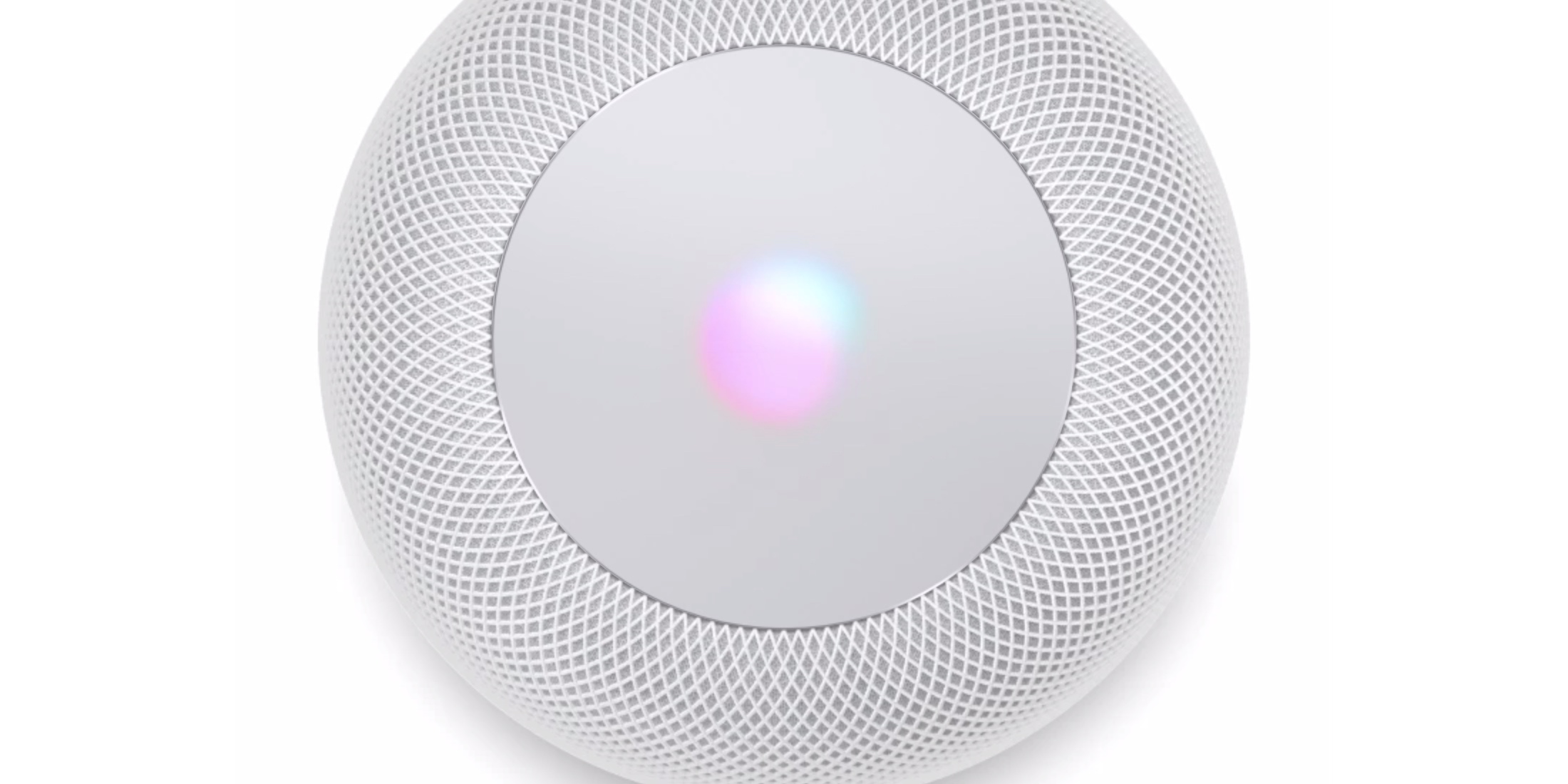
The Apple-designed A8 chip powering HomePod, Apple's $349 Siri-powered wireless speaker launching this December, should come outfitted with one gigabyte of RAM while its built-in LED matrix display at the top should potentially sport a resolution of 272 by 340 pixels.
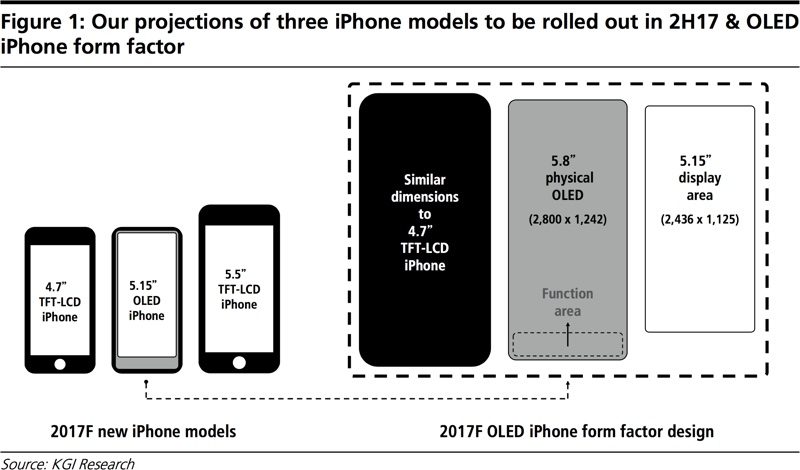
Digging deeper into the HomePod firmware code, Steven Troughton-Smith has seemingly confirmed that iPhone 8 will boast a three-times resolution screen at 2,436 by 1,125 pixels.
Sometimes the best iPhone leaks come from Apple itself.
In an early release of the upcoming HomePod firmware, Apple has left behind a few clues that seem to reveal the existence of the next iPhone’s face detection unlocking feature, as well as the overall form factor of the device.
Facebook is apparently jumping on the smart speaker bandwagon, with a new report Tuesday out of Taiwan claiming that the social networking giant is looking to take on Amazon's Echo, Google's Home and Apple's HomePod smart speakers.
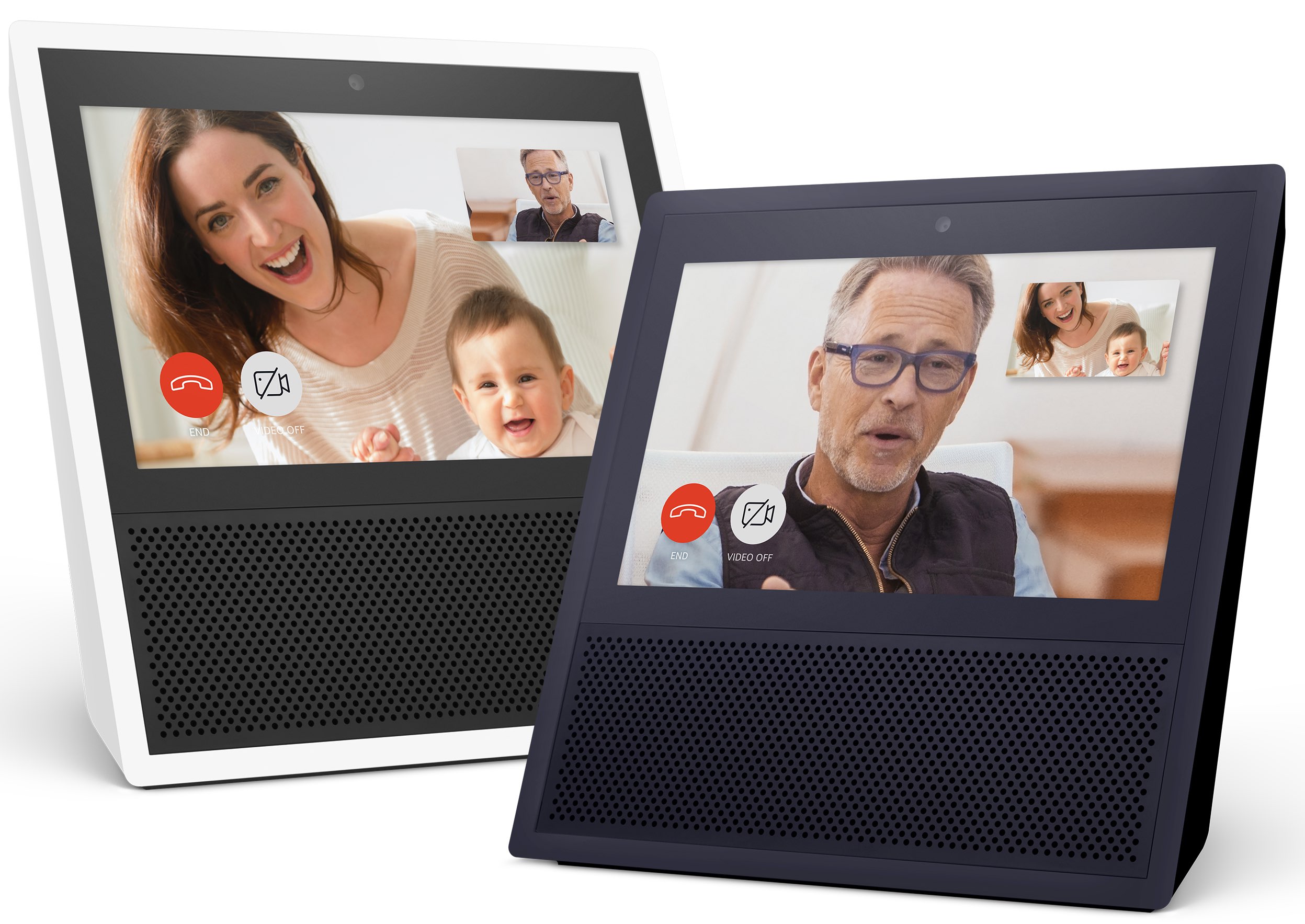
Amazon is working on the next Echo accessory that should feature significantly improved sound quality over the current lineup of Echo smart speakers, Engadget reported Thursday.
The gizmo will reportedly include “several tweeters” versus the one large tweeter and a woofer in the existing Echo. The company is also improving the new Echo's microphone technology, “though it's unclear how it's doing so.”
Current Echo devices have seven far-field mics, while Apple's HomePod has six and Google's Home has two.
Shorter and slimmer than the original Echo, which released two years ago, the next Echo will be more stylish than its predecessors thanks to rounded edges and a cloth-like covering.
Amazon is allegedly planning for a fall release.
Echo has been lauded as the best voice-activated speaker on the market in terms of AI and voice features, but with poor audio quality. That's in stark contrast to Apple's upcoming HomePod, which many reviewers praised for being the best-sounding smart speaker out there, even outperforming Sonos in terms of sound quality.
https://www.youtube.com/watch?v=5l_YjBiK7iM
With the next Echo, Amazon is clearly looking to close the gap with HomePod when it comes to audio quality and style.
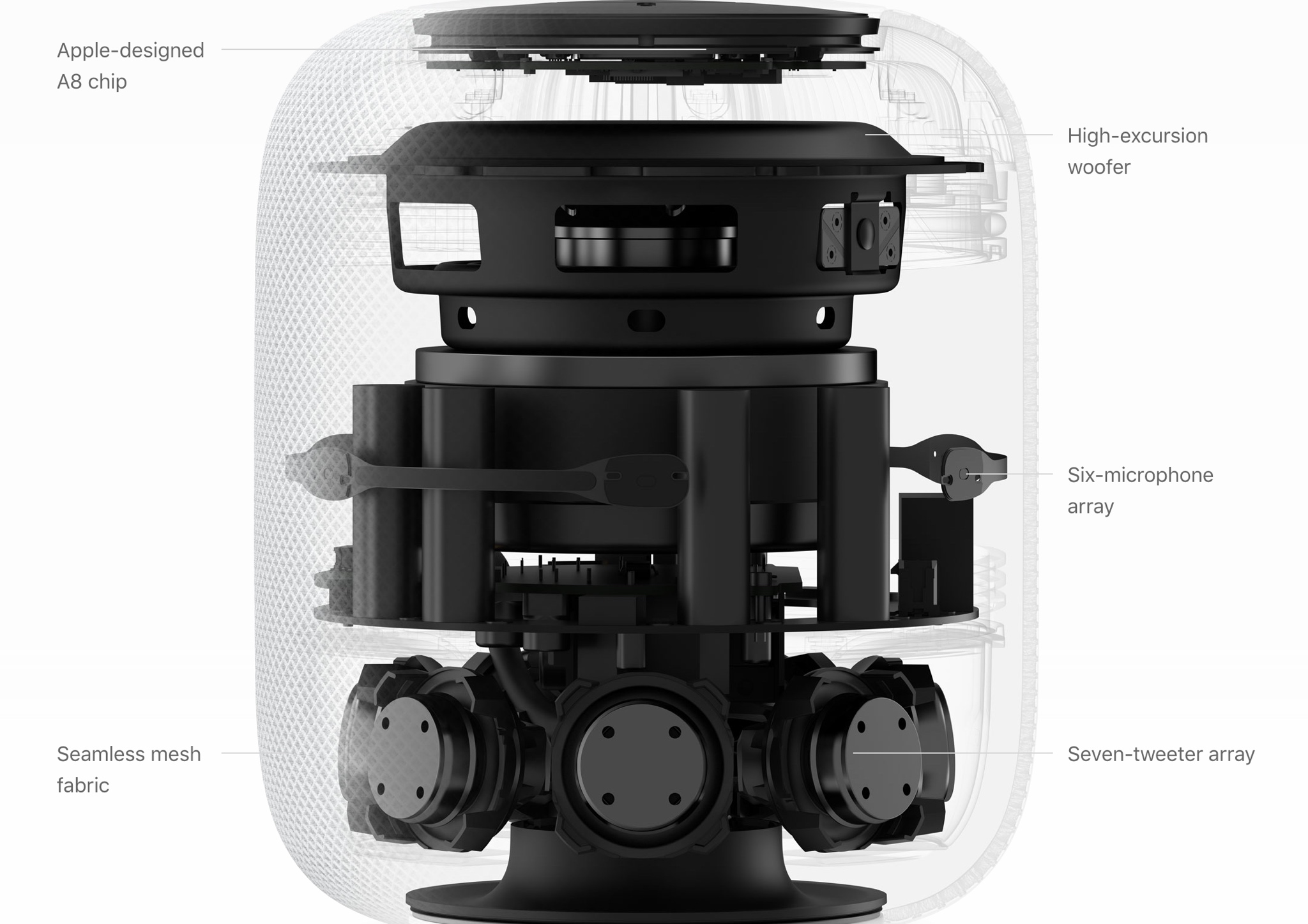
HomePod features an array of seven horn-loaded tweeters, each with its own custom amplifier, a high-excursion woofer with custom amplifier, internal low-frequency calibration microphone for automatic bass correction and a six-microphone array for far-field Siri and room sensing.
The built-in A8 chip constantly analyzes the music being played through the speaker, as well as the room layout, to continually optimize audio quality using software-based features such as direct and ambient audio beam-forming and transparent studio-level dynamic processing.
HomePod is due to launch this December.
Image: Amazon Echo Show with a built-in display
Having surveyed 2,200 adults in the United States, research firm Morning Consult Intelligence has found that one out of each three respondents showed interest in Apple's HomePod sight unseen, or approximately 33 percent.
However, “only” 30 percent were interested in the HomePod speaker after being shown a comparison chart with other smart speakers, namely Amazon's Echo and Google's Home.
Among those who already owned Apple products, 45 percent were interested in HomePod and 17 percent said they were most likely to buy it versus 18 percent of the Apple faithful who said they'd be more inclined to buy Amazon's Echo over Apple's device.
What about the overall survey group?
According to AppleInsider:
Within the overall survey group 17 percent said they were mostly like to buy an Echo, and 11 percent the cheaper Echo Dot. Only 9 percent said they would go for a HomePod, below the Google Home's 11 percent.
At $349, HomePod is pricier than Google's and Amazon's inexpensive speakers at $129 and $139, respectively. 57 percent of respondents said price was “Very Important” to them in a smart speaker while for 51 percent speaker quality was more important than the price.
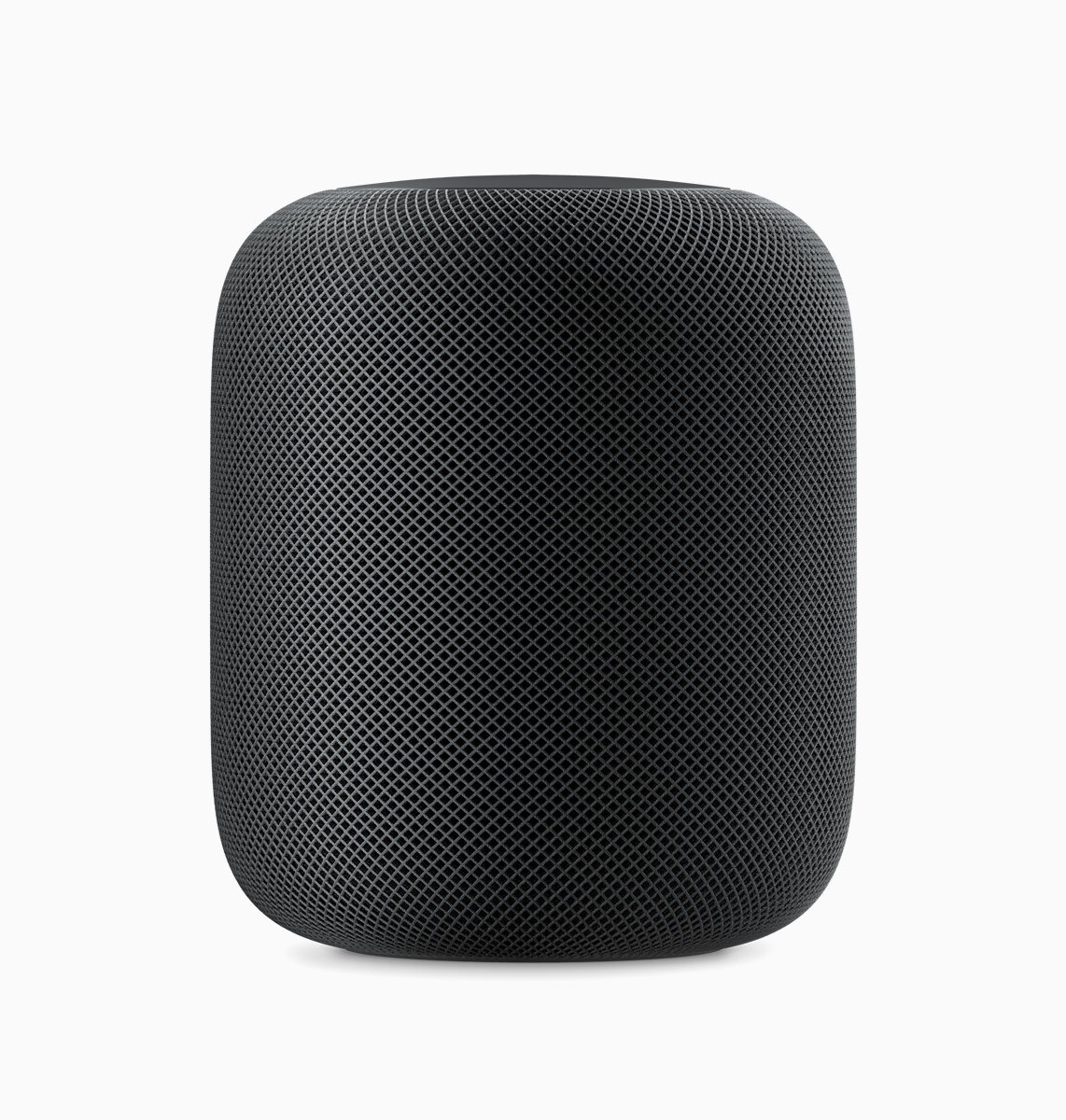
Introduced at the Worldwide Developers Conference last week, HomePod beats both Amazon's Echo and Google's Home in terms of audio quality. The device features a four-inch subwoofer system that delivers clean bass without distortion and as many as seven beam-forming tweeters, each using its own amplifier for sound quality.
Driven by Apple's A8 chip, HomePod provides sound awareness technology that's able to detect when the device is against walls. After mapping its surroundings, it adjusts the sound output accordingly so that the most of the sound is spread out into a wide-open area instead of being muffled against a wall.
We should point out that this isn't a totally fair research because HomePod is still work-in-progress and Apple has not really shown off any other features beyond Siri interactions, HomeKit controls and Apple Music integration.
https://www.youtube.com/watch?v=1hw9skL-IXc
Even if HomePad makes its December debut with only the aforesaid features, Apple is almost certainly going to add additional capabilities over time via software updates, just as Google and Amazon have been doing with their smart home speakers.
Priced at $349, HomePod will launch in the United States, the United Kingdom and Australia this December before gradually expanding to the rest of the world throughout 2018.
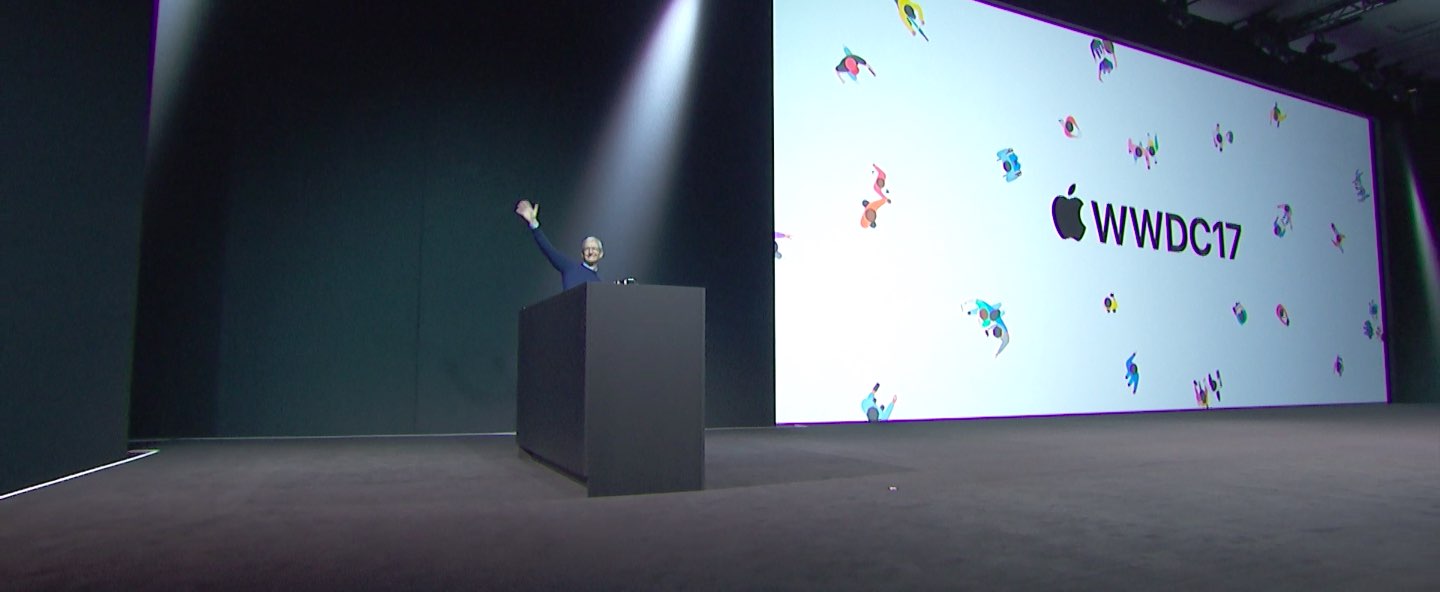
Apple had a pretty big day at yesterday's Worldwide Developers Conference in San Jose, revealing a bunch of new or updated products and technologies that have set the stage for other important hardware announcements this fall.
If you didn't have the time to sit through the entire keynote talk and are wondering about the big takeaways, our video editor Andrew O'Hara has put together a short five-minute video highlighting the top six announcements Apple made during the WWDC 2017 keynote.
Andrew's main topics of interest include:
tvOS 11 with Amazon's Prime video-streaming app coming to Apple TV watchOS 11 with all the major improvements for workouts, notifications and more macOS High Sierra and core technologies aimed at AR/VR content creation iOS 11 with all of the improvements for your iPhone and iPad iPad Pro and iMac Pro changes and enhancements HomePod, Apple's high-end Siri-enabled speaker with hi-fi soundAnd here's the video:
https://www.youtube.com/watch?v=QQBulSRR9Fc
Subscribe to iDownloadBlog on YouTube
What's your favorite WWDC 2017 announcement so far?
Post a comment below to let us know!
Apple is taking a new responsibility in the world of delivering music to your home by unveiling the HomePod, a new wireless speaker and assistant for your house.
This intelligent new wireless speaker uses similar technology to what’s available in the AirPods, except it’s incredibly more advanced on both the software and hardware ends of things.