In its Threat Intelligence Report for 2017, Nokia has reported the rates of malware infection for mobile devices for the first three quarters of 2017.
Nokia Threat Intelligence Report: iOS remains the most secure mobile operating system
In its Threat Intelligence Report for 2017, Nokia has reported the rates of malware infection for mobile devices for the first three quarters of 2017.
If you’ve been reading the news this week, then you’ve probably caught wind of the KRACK (Key Reinstallation AttaCK) vulnerability, which implies some serious security concerns for almost anyone utilizing Wi-Fi networks at home or work.
KRACK impacts both the WPA2 and WPA1 Wi-Fi standards. The former is the most popular Wi-Fi standard in use today, and it’s also supposed to be one of the most secure. On that note, this vulnerability can be a bit concerning.
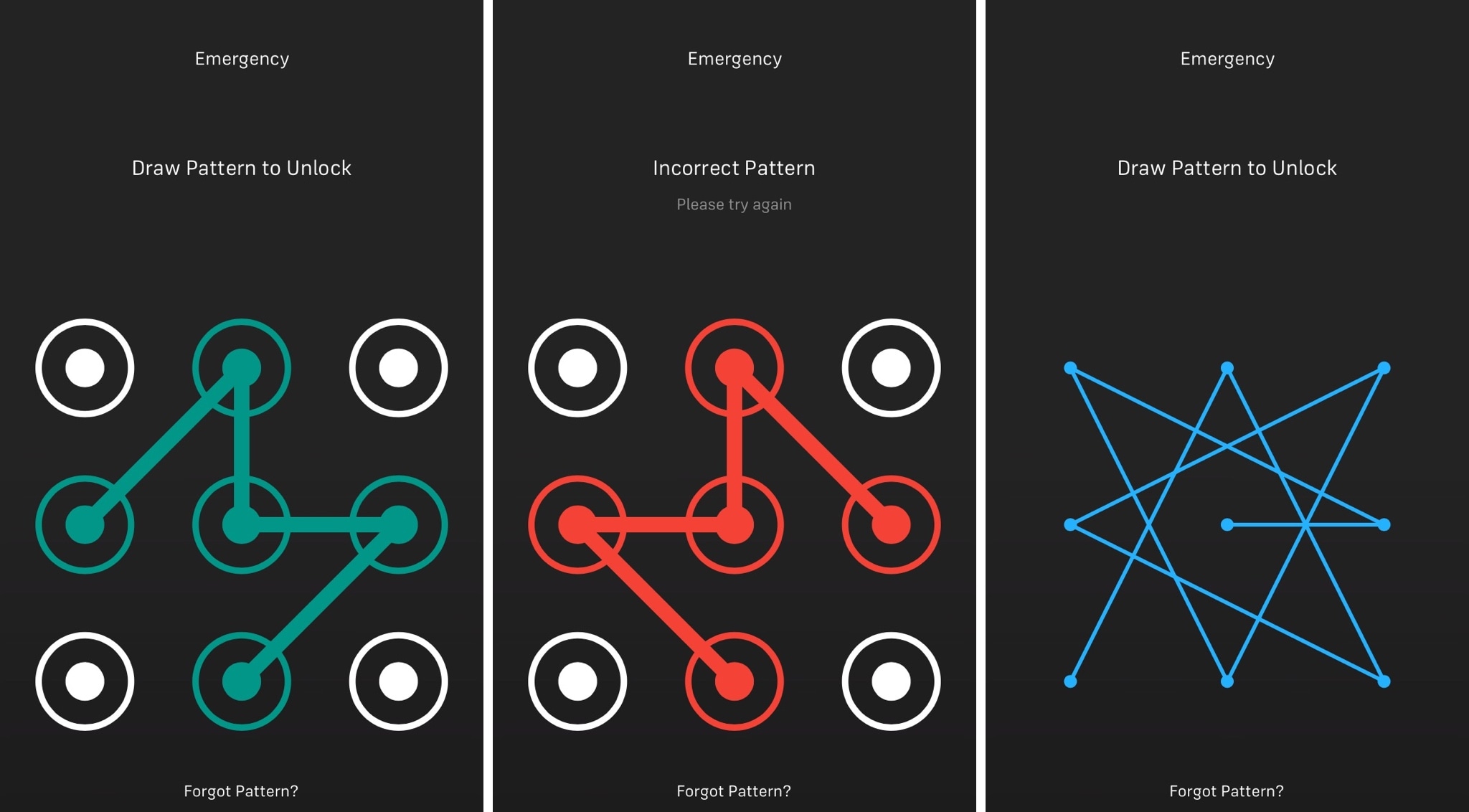
iOS has had the same boring numeric passcode interface for what seems like an eternity, but other operating systems like Android let users ‘draw’ patterns to unlock their device instead.
Although most people are using Touch ID to unlock their Apple devices today, jailbreakers can now use a new free jailbreak tweak dubbed Musubi by iOS developer c0ldra1n to bring an Android-inspired pattern passcode interface to iPhones and iPads.
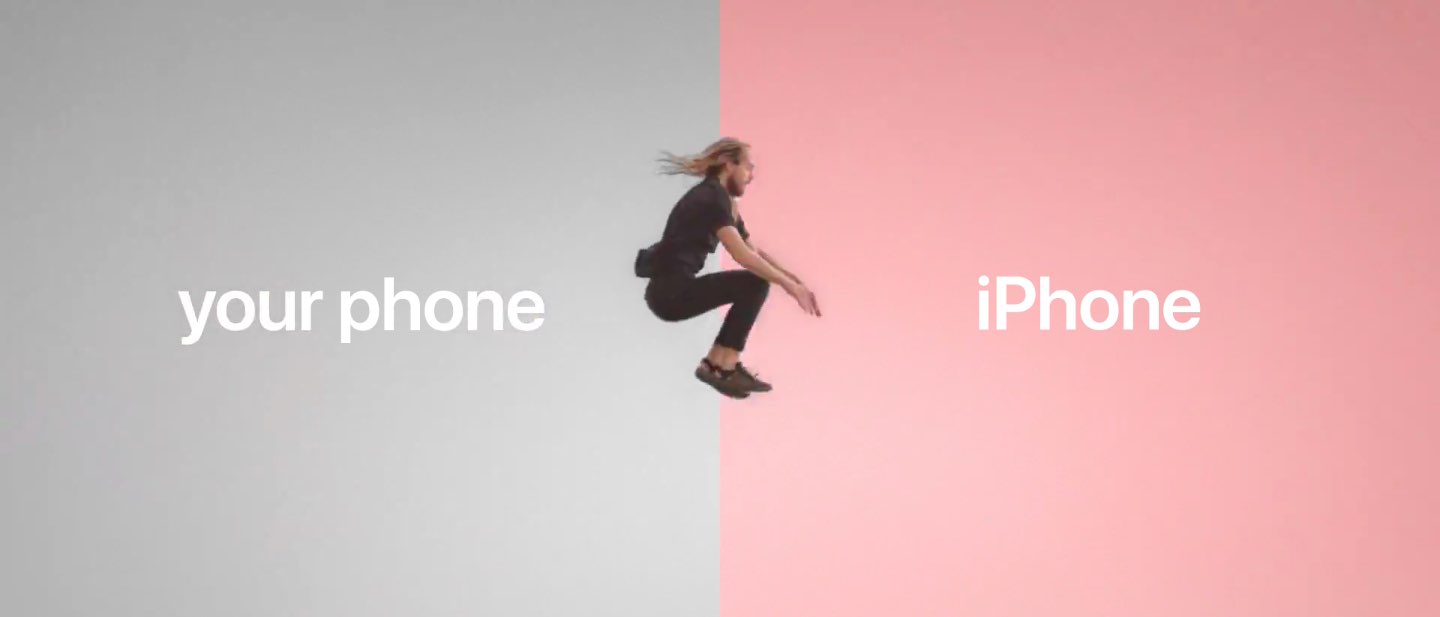
Apple on Monday shared a trio of geeky ads that are part of its new campaign aimed at persuading Android users to make the leap to the iconic smartphone. Published on Apple's official YouTube channel, the new mini-ads, running sixteen seconds each, promote the company's ability to roll out important security fixes fast via iOS software updates.
Apple is also praising the smartphone's smooth, stutter-free performance while highlighting easy contact transfer via the Move to iOS app for those who would gladly switch to an iPhone.
Smoothhttps://www.youtube.com/watch?v=TQy2heNOhe8
“We design the hardware and the software so your iPhone just works,” says Apple.
Securityhttps://www.youtube.com/watch?v=AszkLviSLlg
“Access to the latest updates keeps your iPhone secure,” reads the description.
Contactshttps://www.youtube.com/watch?v=bUWLszbCBF8
“Switch to iPhone,” reads the video's description. “The Move to iOS app makes it simple to move your contacts, photos, and more to iPhone.”
The new ads use the tagline “Life’s easier when you switch to iPhone” and direct viewers to the recently revamped ”Switch to iPhone” webpage at apple.com/switch.
Apple's mini-website for switchers now includes useful new sections covering topics like in-house designed iPhone chips, powerful cameras, easy of use, customer support and more.
Do you like Apple's new ads? Do they manage to sell folks on the merits of iPhones, do you think? Let us know by leaving a comment below.
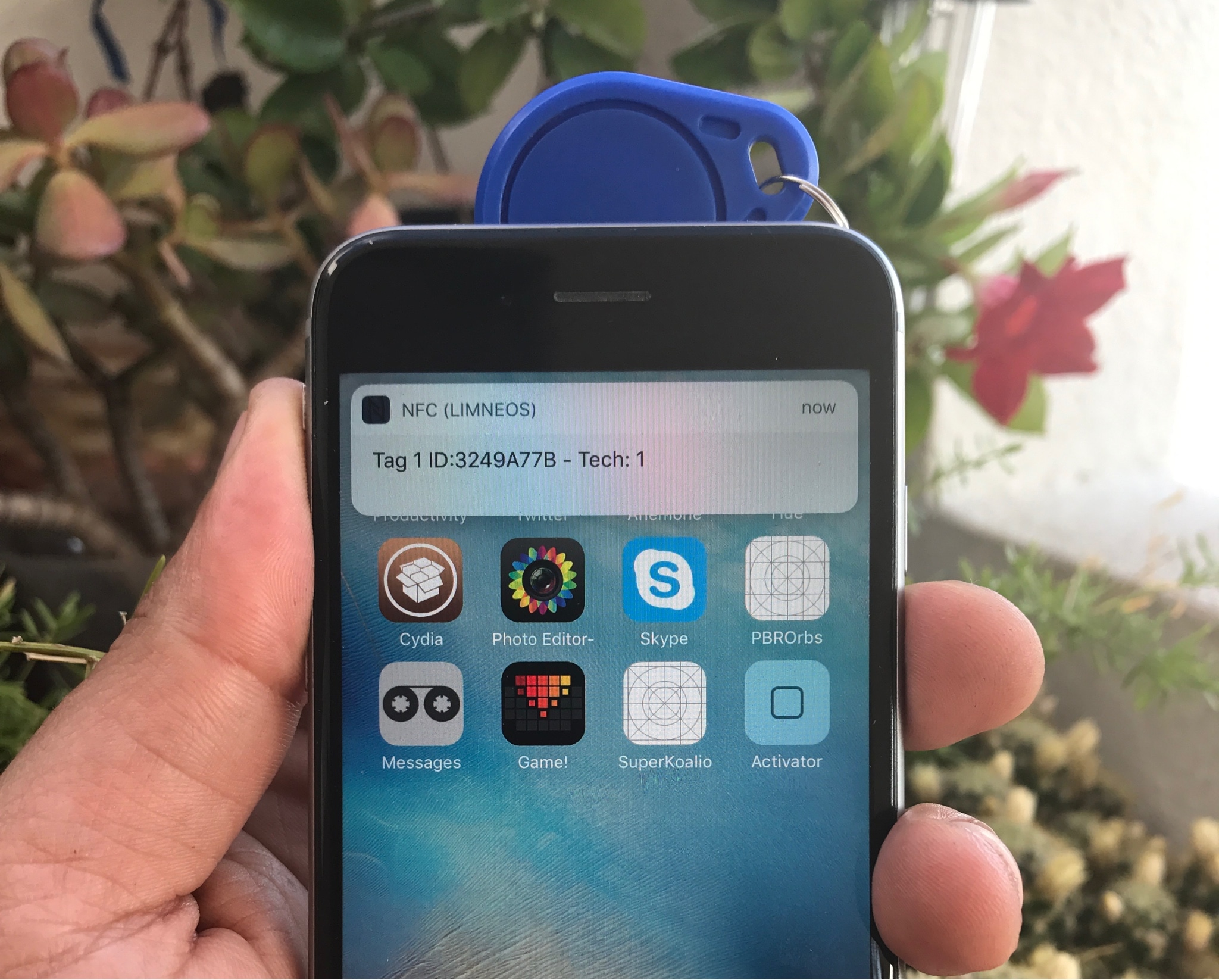
iPhones have come equipped with Near Field Communication (NFC) technology since the iPhone 6 launched in 2014. NFC's primary use in the iPhone is for Apple Pay and allows contactless payments via supported merchants at the point of sale.
On the other hand, well-known jailbreak developer Elias Limneos was tinkering with iPhone NFC on his spare time and managed to hack it to work in ways that are typically locked off by Apple out of the box.

Security firm Kryptowire recently discovered that some Android smartphones have a backdoor that secretly sends data to China, reports the NY Times. Maybe even more concerning, American phone maker BLU Products said that 120,000 of its phones were found to have the backdoor installed in its software, which has since been updated to remove all track of that secret backdoor.
Apple has entered into the "Smartphone Anti-Theft Voluntary Commitment" with HTC, Motorola, Samsung, and others, to curb the smartphone theft epidemic that has been plaguing many city streets.
Under the voluntary agreement, the manufacturers are planning to add several new security features to their smartphones going on sale after July 2015, to make for an industry standard.
Under the Commitment, manufacturers' smartphones must:

In the wake of numerous reports that all point to the same conclusion - that malware infestation is running amok on Android - the Internet giant made an unusually open statement through the mouth of its Android lead, Sundar Pichai, who finally admitted that Android wasn't built for security.
"If I had a company dedicated to malware, I would also be targetting Android", Pichai allegedly said to a stunned audience at Mobile World Congress in Barcelona, Spain. When your own platform lead starts making such frank statements about Android security, it's high time you considered taking these security reports at face value...
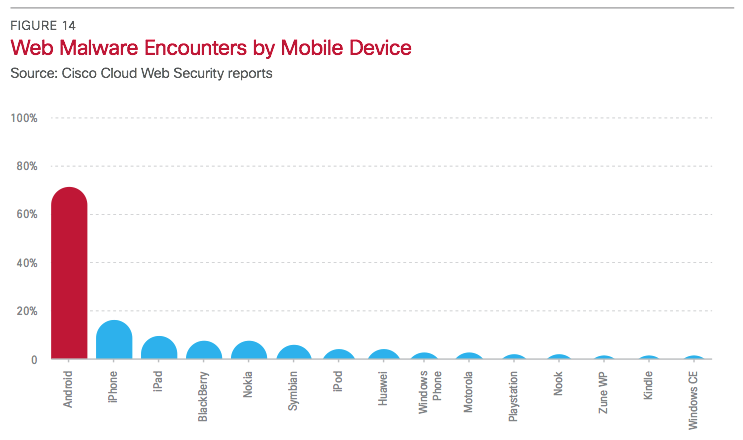
Phil Schiller doesn’t tweet very often. But when he does, he tends to make good use of his 115,000+ followers. Early last year the executive tweeted a link to an Android-slamming mobile malware report, and today he's pointed to another report that highlights Android's security flaws.
This afternoon, Schiller tweeted a link to Cisco's 2014 Annual Security Report, which was released last week. The report notes that overall vulnerabilities are the highest they've ever been (since tracking began in 2000), and that 99% of all mobile malware is targeted at Android devices...
Back in August, an unclassified US government report on mobile security surfaced with data showing the various malware threats discovered on different platforms. And Android took the top spot, accounting for nearly 80% of all threats.
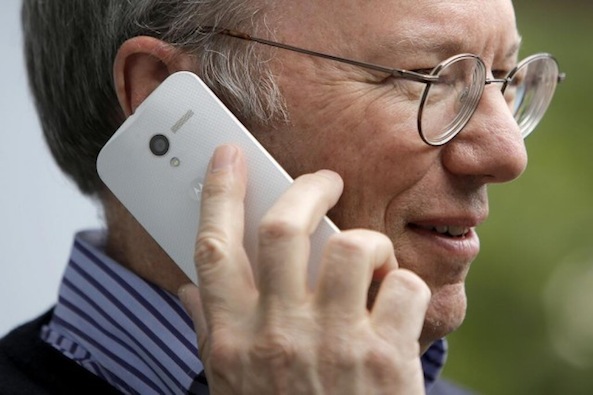
With that in mind, it's not surprising that Eric Schmidt garnered some laughs yesterday during a question-and-answer session at the Gartner Symposium, when he said that the Android platform was more secure than Apple's iPhone...
The U.S. National Security Agency (NSA) has pretty much compromised every online user's security through a previously unknown ten-year program against encryption technologies that made "vast amounts" of collected data "exploitable."
After these shocking revelations came to light Thursday, a new report Sunday in German news weekly Der Spiegel has given the privacy scare a whole new meaning.
See, owners of iPhone, BlackBerry and Android devices are at risk of their "most sensitive data" being fully exploitable because the NSA is able to crack protective measures of these systems, previously believed to be highly secure...

Jay Freeman, also known as Saurik, is well known by iOS users for his work in the jailbreak community. Not only does he run Cydia, the definitive jailbreak store, but he also develops tweaks and handles a number of other aspects.
But Saurik is also making a name for himself among Android users as well. Back in May, he released a working form of his Cydia substrate for Google's platform, and this weekend he's posted a fix for a major security vulnerability...