Analysts

KGI: 2017 iPhones to ship with 5W power adapter, wireless charger sold separately

KGI Securities analyst Ming-Chi Kuo clarified in a note to clients, a copy of which was obtained by MacRumors, that Apple's OLED-based iPhone 8 and LCD-based iPhone 7s and iPhone 7s Plus smartphones would ship with the same old 5-Watt power adapter, like prior iPhones.

A USB-A to Lightning cable should be included in the box as a standard accessory.

He reiterated his previous stance that iPhone 8 would include a USB-C Power Delivery chip for fast-charge capability. Barclays analyst Blayne Curtis predicted that iPhone 8 would come bundled with a 10-Watt power adapter featuring USB-C connectivity and fast-charge support.

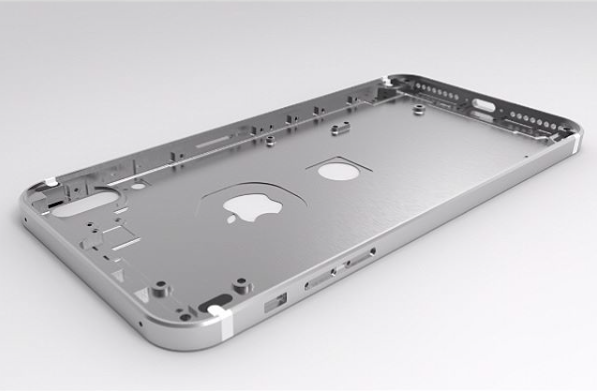
All new iPhones coming down the pike in 2017 should adopt all-glass bodies with metal frames to support wireless charging functionality said to be compatible with the standard put forth by the Wireless Power Consortium, of which Apple is a member.

The analyst claims wireless charging will require an inductive charger, sold separately.

All new iPhones would use ten to fifteen percent faster RAM than iPhone 7 for better augmented reality performance in apps that use the new ARKit framework.

iPhone 8 and iPhone 7s Plus may use 3GB of RAM for better dual-camera performance, while the 4.7-inch iPhone 7s should have 2GB of RAM as it lacks a dual-lens camera.

Kuo said yesterday iPhone 8 would come in limited color options and feature 3D sensing for facial recognition and no Touch ID fingerprint scanning, adding that all 2017 iPhone models would have an improved stereo speaker system and come in 64 and 256GB storage options.

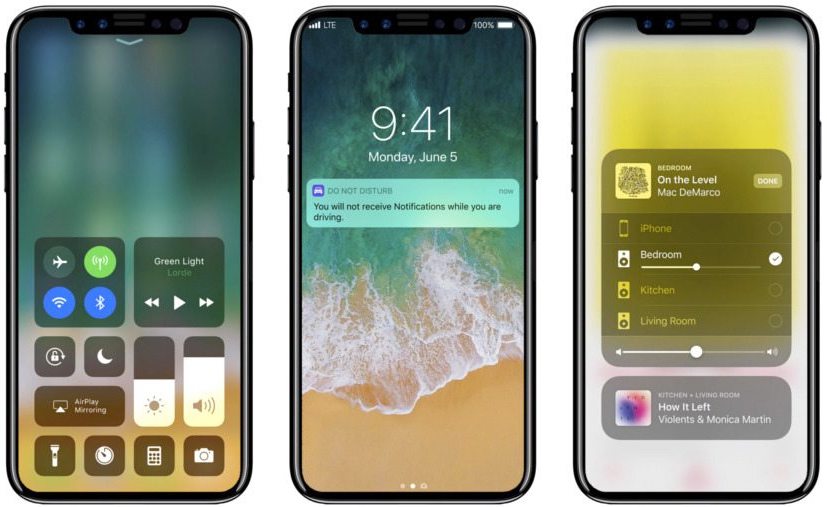
iPhone 8 mockup via iDropNews.

KGI: iPhone 8 won’t support fingerprint recognition

Revered Apple analyst Ming-Chi Kuo of KGI Securities is back with the latest round of predictions conquering Apple's upcoming iPhones, obtained by StreetInsider.

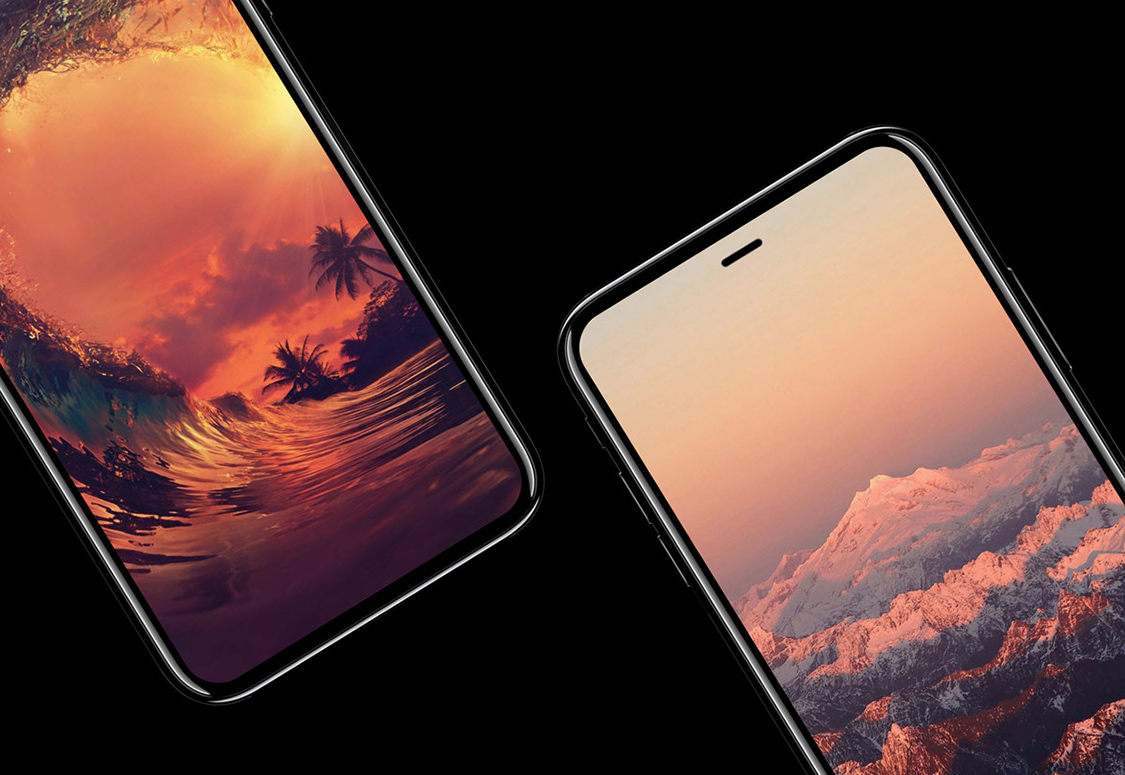
The biggest takeaway from his latest note to clients: iPhone 8 will adopt a full-screen design with a 5.8-inch OLED screen covering nearly the entire front face of the phone. It should have “the highest screen-to-body ratio of any smartphone currently available worldwide”.

The device will feature a virtual Home button. Kuo doesn't think the virtual button will support Touch ID fingerprint recognition although he didn't unequivocally state that the OLED-based handset won't have an integrated in-screen fingerprint sensor.

An excerpt from his note:

We predict the OLED model won’t support fingerprint recognition, reasons being:

(1) the full-screen design doesn’t work with existing capacitive fingerprint recognition

(2) the scan-through ability of the under-display fingerprint solution still has technical challenges, including: (i) requirement for a more complex panel pixel design; (ii) disappointing scan-through of OLED panel despite it being thinner than LCD panel; and (iii) weakened scan-through performance due to overlayered panel module.

As the new OLED iPhone won’t support under-display fingerprint recognition, we now do not expect production ramp-up will be delayed again (we previously projected the ramp-up would be postponed to late October or later).

The analyst reiterated that the OLED-based device will use 3D sensors for advanced facial recognition, improved selfie quality, 3D mapping and other features.

“To maintain its boutique image, we think the OLED version will offer fewer options for casing colors than LCD iPhone models,” reads Kuo's note.

As for the 4.7-inch iPhone 7s and the 5.5-inch iPhone 7s Plus updates, Kuo maintains that these models will continue to use LCD display technology and retain the front form factor design similar to the current iPhone 7 series.

The OLED-based iPhone 8 and the 5.5-inch iPhone 7s Plus will have 3GB of RAM due to dual-camera requirements, while the 4.7-inch iPhone 7s is expected to only use 2GB RAM because it's expected to have a single camera.

All three new models should come with 64GB and 256GB storage options and have a Lightning port with a built-in USB-C Power Delivery chip for fast charging. The output power of the devices' receiver and speaker will be more consistent than before in order to “create better stereo effects,” the analyst predicted.

“For optimized promotional effect, we think Apple may unveil the three models simultaneously in September, though the launch date of the OLED version may trail that of LCD models, and supply tightness may not improve before the first quarter of 2018,” reads the note.

KGI forecast shipments of the three new iPhone models of 80-85 million units during Apple's fiscal year 2017, with an equal split between OLED-based iPhone and the LCD-based iPhone 7s and iPhone 7s Plus models.

iPhone 8 Full Vision Display concept courtesy of iFanr.

JPMorgan: iPhone 8 to bring enhanced stereo sound and waterproofing, ship with AirPods

JPMorgan analysts who track Apple's supply chain in the Asia-Pacific region, including Gokul Hariharan, shared a new research note this week. In it, the they predicted that the company's upcoming iPhone 8 will come outfitted with an enhanced earpiece sporting “further improvements” to stereo sound and waterproofing.

The note, obtained by MacRumors, does not specify what acoustical improvements Apple could introduce to iPhone 8's earpiece.

JPMorgan also made the prediction that AirPods could come as a free accessory with iPhone 8. If true, Apple's $159 wireless earbuds could replace the firm's $29 wired EarPods with Lightning connector that come in the box with current iPhone models.

https://www.youtube.com/watch?v=R17WDY3BIfo

Subscribe to iDownloadBlog on YouTube

The research note mentions other previously rumored iPhone 8 features, like an OLED display, a stainless steel and glass design, a faster A11 processor, a larger battery, wireless charging and enhanced cameras with new sensors for 3D mapping, 3D selfies, facial recognition, augmented reality capabilities and more.

The analysts estimate that iPhone 8 will be $75 to $80 more expensive to manufacture.

iPhone 7 became the first iPhone to feature stereo sound.

Rather than use two separate speakers at the bottom of the device, Apple has opted to combine a speaker unit at the bottom with the earpiece at the top to create “immersive stereo sound” delivering two times the audio output of iPhone 6s and increased dynamic range.

Apple may be struggling with iPhone 8’s rumored optical fingerprint reader

In a research note issued to clients Monday, a copy of which was obtained by MarketWatch, Pacific Crest analysts have cautioned that Apple might be having issues with iPhone 8's rumored optical fingerprint sensing functionality.

To refresh your memory quickly, the revered Apple analyst Ming-Chi Kuo of KGI Securities predicted in January that iPhone 8 could adopt a new fingerprint-reading solution in the form of an optical sensor that wouldn't require physical contact with a user’s finger.

iPhone 8’s in-screen Touch ID apparently causing Apple the most trouble

We heard before that iPhone 8 could get delayed due to various technical issues stemming from a new augmented-reality 3D camera system, the lamination process of curved organic light-emitting diode (OLED) panels and a new thin-film 3D Touch system.

Analyst Timothy Arcuri of Cowen and Company, however, contends that iPhone 8's rumored in-screen Touch ID sensor remains its biggest bottleneck.

Analyst predicts Apple will build its own power management chips for iPhones by 2019

Apple's been designing mobile chips for iOS devices in-house since 2010 and could soon be making its own GPUs as well. But one analyst predicts that the California company is set to build its own iPhone power management chips, too, within two years.

Analyst Karsten Iltgen with German investment bank Bankhaus Lampe wrote in a note to clients Tuesday, a copy of which was obtained by Bloomberg, that there is “strong evidence” that Apple is developing its own power-management integrated circuits that should replace the chip made by Dialog Semiconductor “at least in part”.