Security

Apple explains why iOS 10 kernel is unencrypted

Following the discovery by MIT Technology Review that the kernel in iOS 10 beta is unencrypted, Apple has gone on the record to explain why that's the case. Speaking with Dave Mark of The Loop, an Apple spokesperson has officially confirmed that the decision was intentional.

Now, some security experts speculated that leaving the iOS 10 kernel unencrypted would aid anyone, nefarious users included, looking for security weaknesses in the iOS software.

Apple explains why such fears are unfounded.
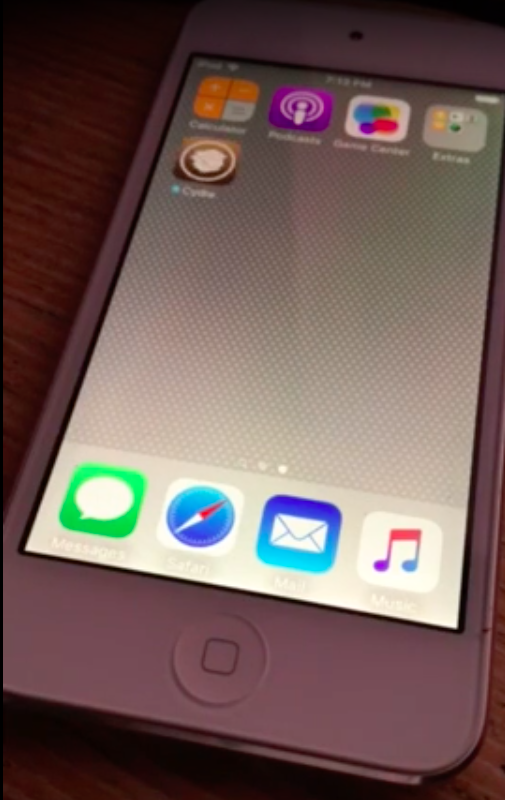
iOS 10 beta kernel is unencrypted, but why?

MIT Technology Review has discovered that the kernel in iOS 10 beta is unencrypted, making it a lot easier for technology-minded users, jailbreak developers and the like to take a peek under iOS's hood and pinpoint any potential vulnerabilities.

For those wondering, kernels in all prior iOS betas used to be encrypted. Is this a bold move meant to help strengthen security in iOS 10 or will this decision actually introduce further security risks and open new attack vectors for hackers to exploit?

iOS 10 tidbit: apps now must seek permission before accessing your music library

Apple has made some changes to how iOS handles apps that wish to access users' music libraries, with iOS 10 now requiring your explicit permission before any app is allowed to interact with your music.

This new safeguard increases your privacy while ensuring that no app can silently analyze what's in your music library without you knowing it. Additionally, it makes it more difficult, if not downright impossible, for apps to potentially upload your music library to the cloud in order build a profile of your musical tastes for advertising purposes.

Facebook Messenger said to be rolling out opt-in encryption in the coming months

After WhatsApp and Viber both introduced end-to-end encryption last month, Facebook Messenger will become the next major messaging app to roll out this essential security feature, reports The Guardian.

Although end-to-end encryption on Messenger will be framed as an optional feature that users will need to manually enable, it will ensure that the contents of communications are hidden from eavesdroppers and that the identities of the participants are concealed.

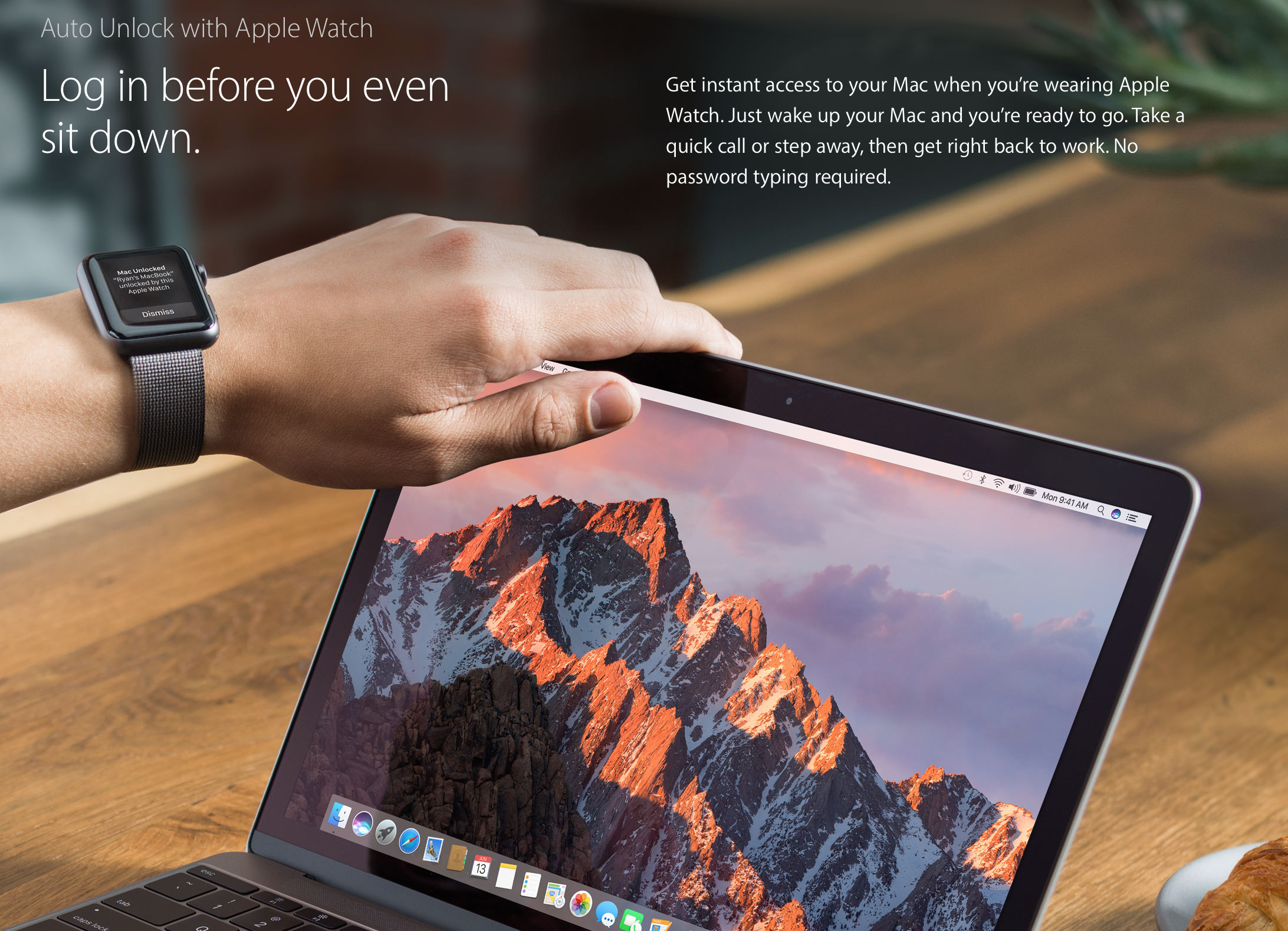
MacID for iOS and Mac updated with a slew of new features and fixes

The popular app for iPhone and iPad that lets you unlock your Mac with your Touch ID sensor over a low-energy Bluetooth connection has received an important update on Tuesday that adds a number of new features to the app and fixes a number of previously-known issues.

The update is free for everyone who owns MacID already for both the iOS and OS X apps, and make the new features and stability available across both platforms immediately following installation.

Apple brings back security expert Jon Callas following FBI dispute

Apple this month brought back software engineer and top expert in practical cryptography Jon Callas, reports Reuters. The move follows Apple's high-profile battle with the FBI, and amidst a growing war between governments and tech firms over encryption.

Callas worked at Apple in the '90s, and again between 2009 and 2011, when he designed encryption to protect data stored on Mac computers. He rejoined the company in May, to help add more powerful security features to its wide range of consumer products.

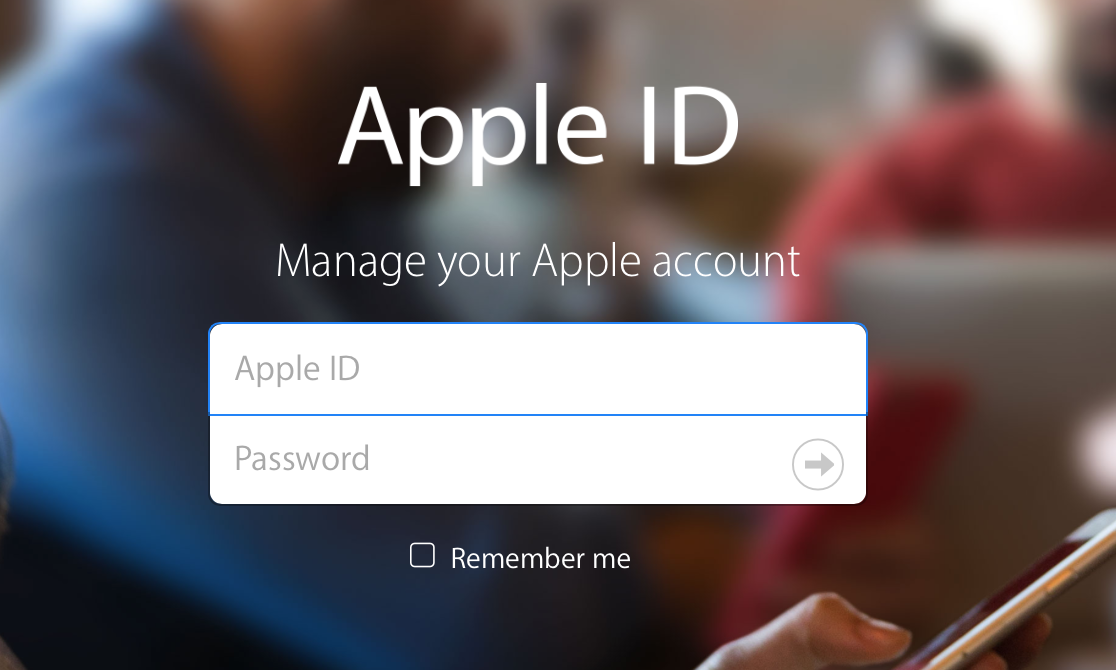
Can’t remove your payment info from your Apple ID? Here’s why

Not everyone wants to have their credit card or debit card linked to their Apple ID. Some people are afraid of having their financial information tied to online merchants and digital content stores because of the unfortunate reality of identity theft and unauthorized purchases.

With that in mind, what should you do if you don't want a credit card that you've already linked to your Apple ID to be there, but the 'None' payment method option isn't showing for you?

We'll talk about that in this post and explain why the option isn't available to you.