Many people are still waiting for the premium iPhone X to hit the market in November. But in the meantime, iPhone 8 shoppers have started to receive their brand spanking new phones.
Video: 15 top features of iPhone 8/Plus
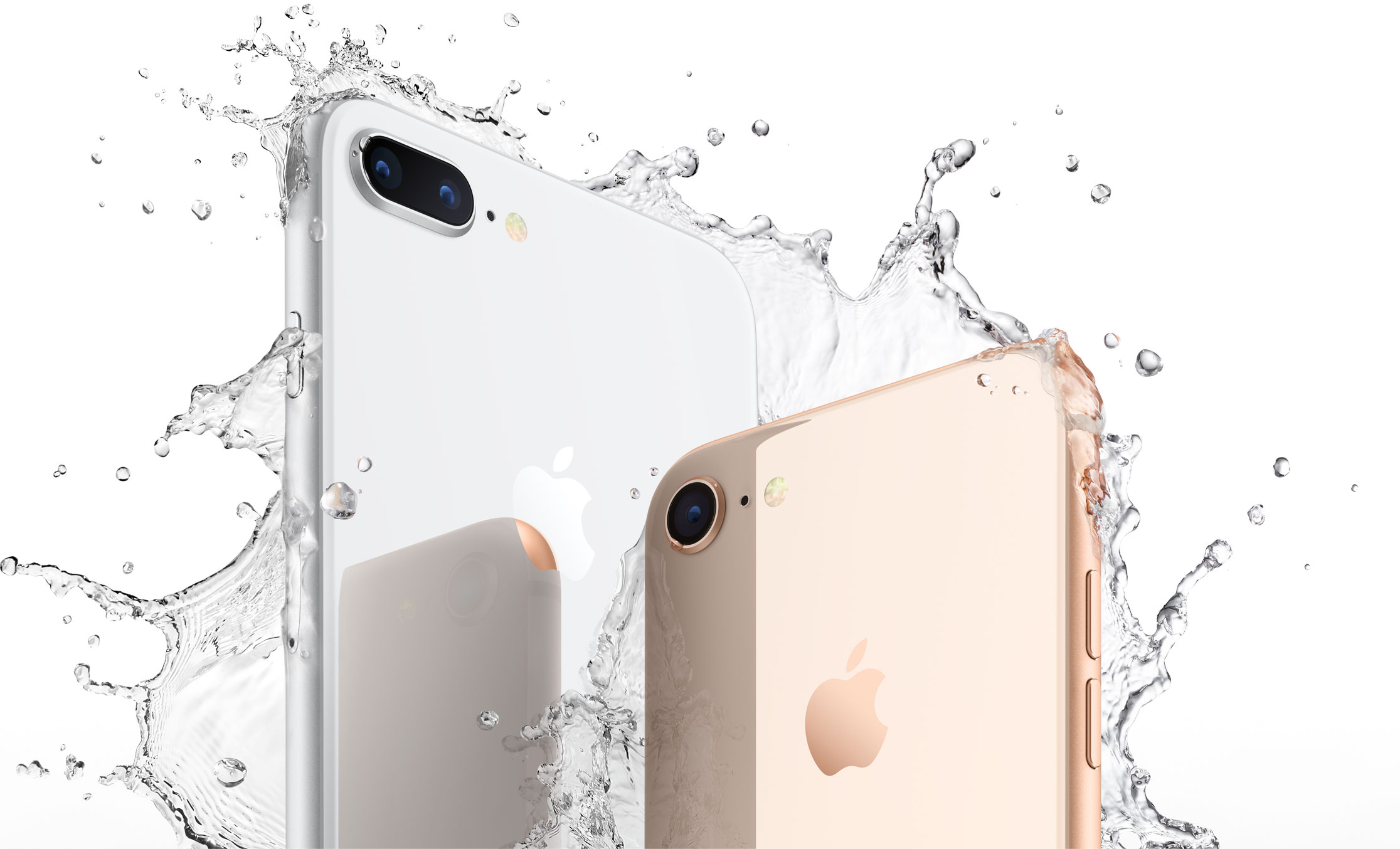
Many people are still waiting for the premium iPhone X to hit the market in November. But in the meantime, iPhone 8 shoppers have started to receive their brand spanking new phones.

Learn how to make the speaker on your iPhone sound a bit louder than usual, even with the volume cranked all the way up to the maximum.
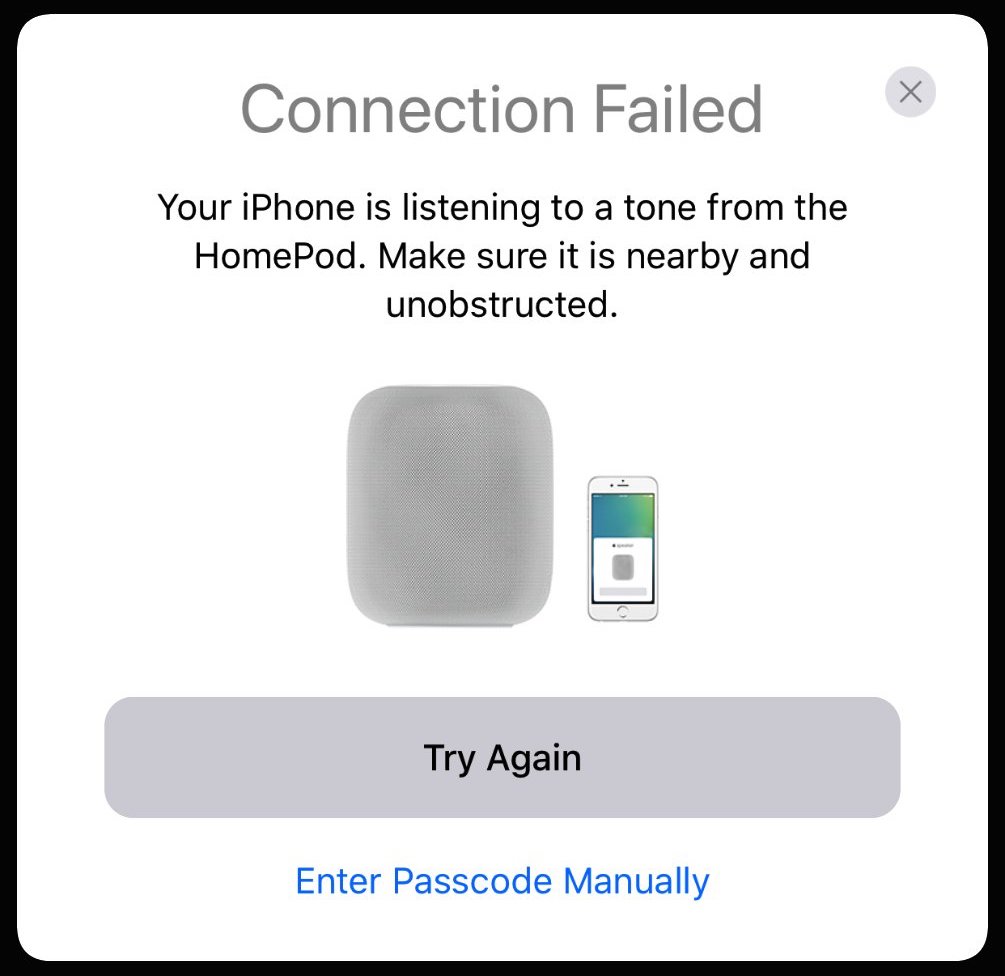
HomePod, Apple's wireless speaker scheduled to arrive this December, will support a new pairing method based on special audio tones generated by it and detected by a host iPhone.
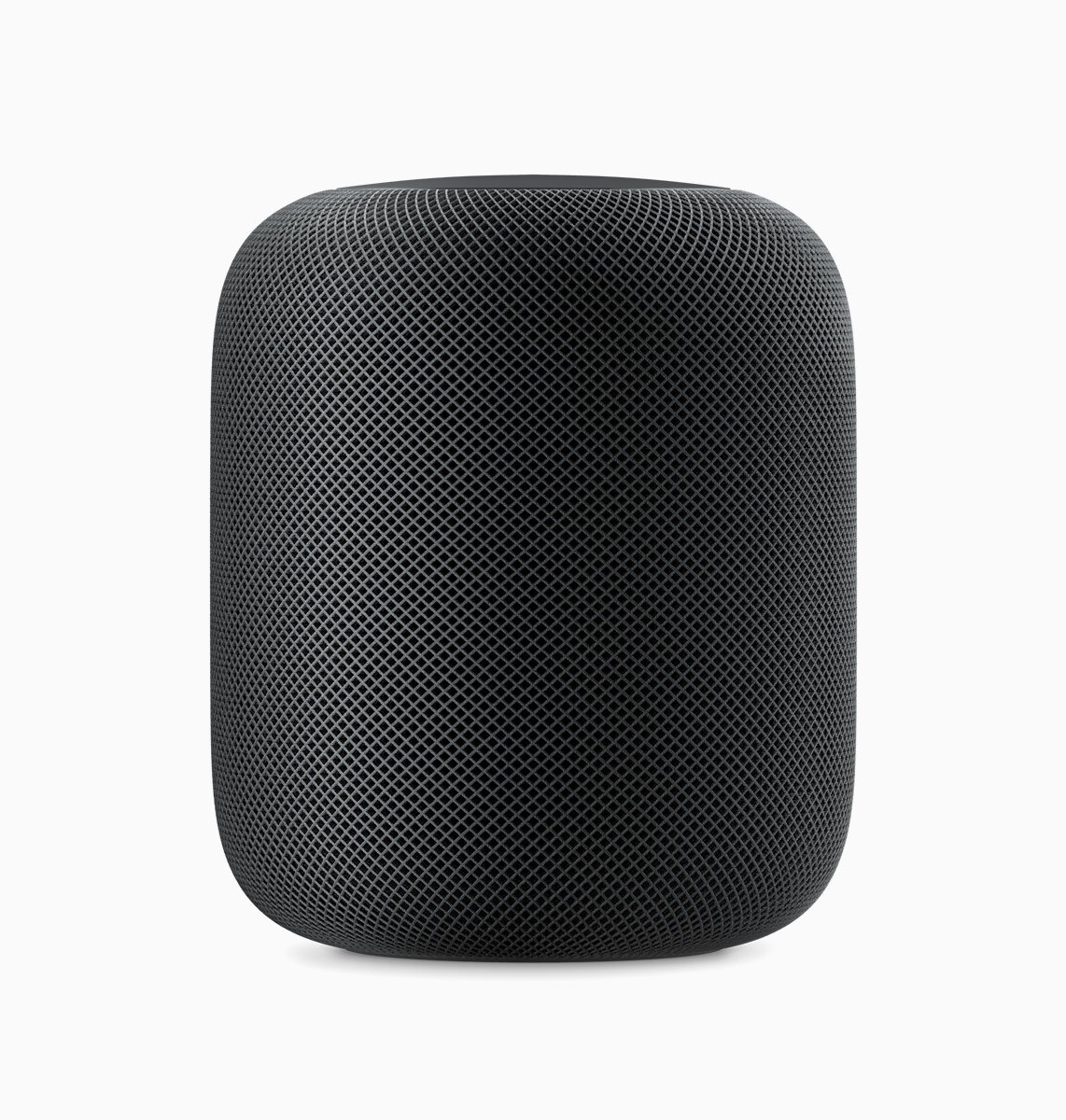
Samsung yesterday publicly corroborated rumors that it has been working on an unnamed HomePod competitor that will likely use the company's Bixby personal assistant and provide “a fruitful user experience” at home with Samsung devices.
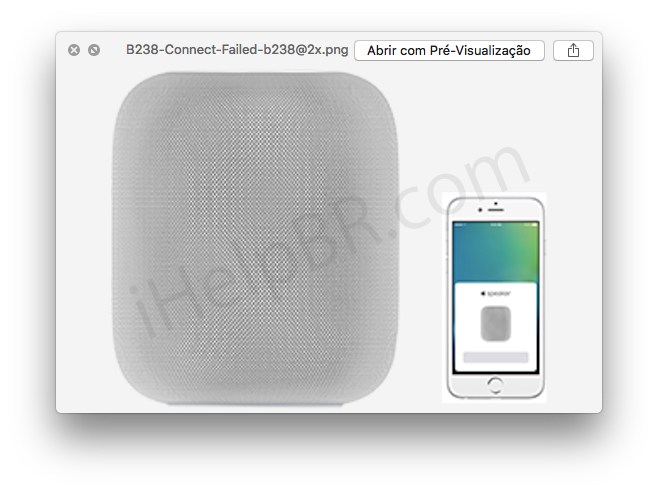
Fresh details on HomePod's setup, unearthed yesterday from the newest iOS 11 developer beta by Brazilian outlet iHelp.br (Google Translate), show that the process of setting up Apple's upcoming wireless speaker won't differ much from configuring your AirPods or Apple TV via your iPhone, iPod or iPod touch with iOS 11.
David Ho, president of Taiwanese contract manufacturer Inventec Appliances, suggested during an earnings conference today that a high-profile smart home device his company has received orders for would be faced with constrained launch supply in December.
Facebook is apparently jumping on the smart speaker bandwagon, with a new report Tuesday out of Taiwan claiming that the social networking giant is looking to take on Amazon's Echo, Google's Home and Apple's HomePod smart speakers.
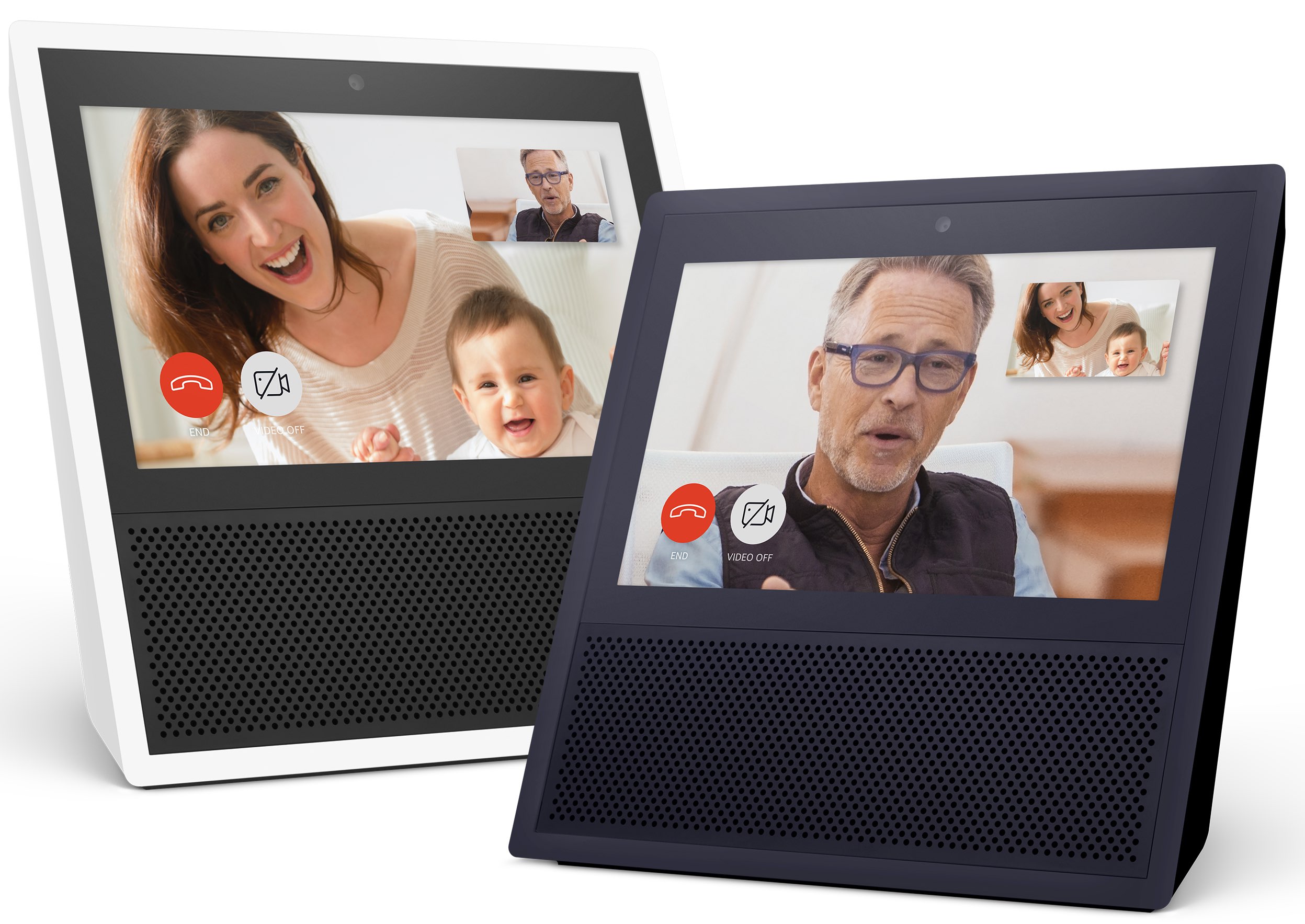
Amazon is working on the next Echo accessory that should feature significantly improved sound quality over the current lineup of Echo smart speakers, Engadget reported Thursday.
The gizmo will reportedly include “several tweeters” versus the one large tweeter and a woofer in the existing Echo. The company is also improving the new Echo's microphone technology, “though it's unclear how it's doing so.”
Current Echo devices have seven far-field mics, while Apple's HomePod has six and Google's Home has two.
Shorter and slimmer than the original Echo, which released two years ago, the next Echo will be more stylish than its predecessors thanks to rounded edges and a cloth-like covering.
Amazon is allegedly planning for a fall release.
Echo has been lauded as the best voice-activated speaker on the market in terms of AI and voice features, but with poor audio quality. That's in stark contrast to Apple's upcoming HomePod, which many reviewers praised for being the best-sounding smart speaker out there, even outperforming Sonos in terms of sound quality.
https://www.youtube.com/watch?v=5l_YjBiK7iM
With the next Echo, Amazon is clearly looking to close the gap with HomePod when it comes to audio quality and style.
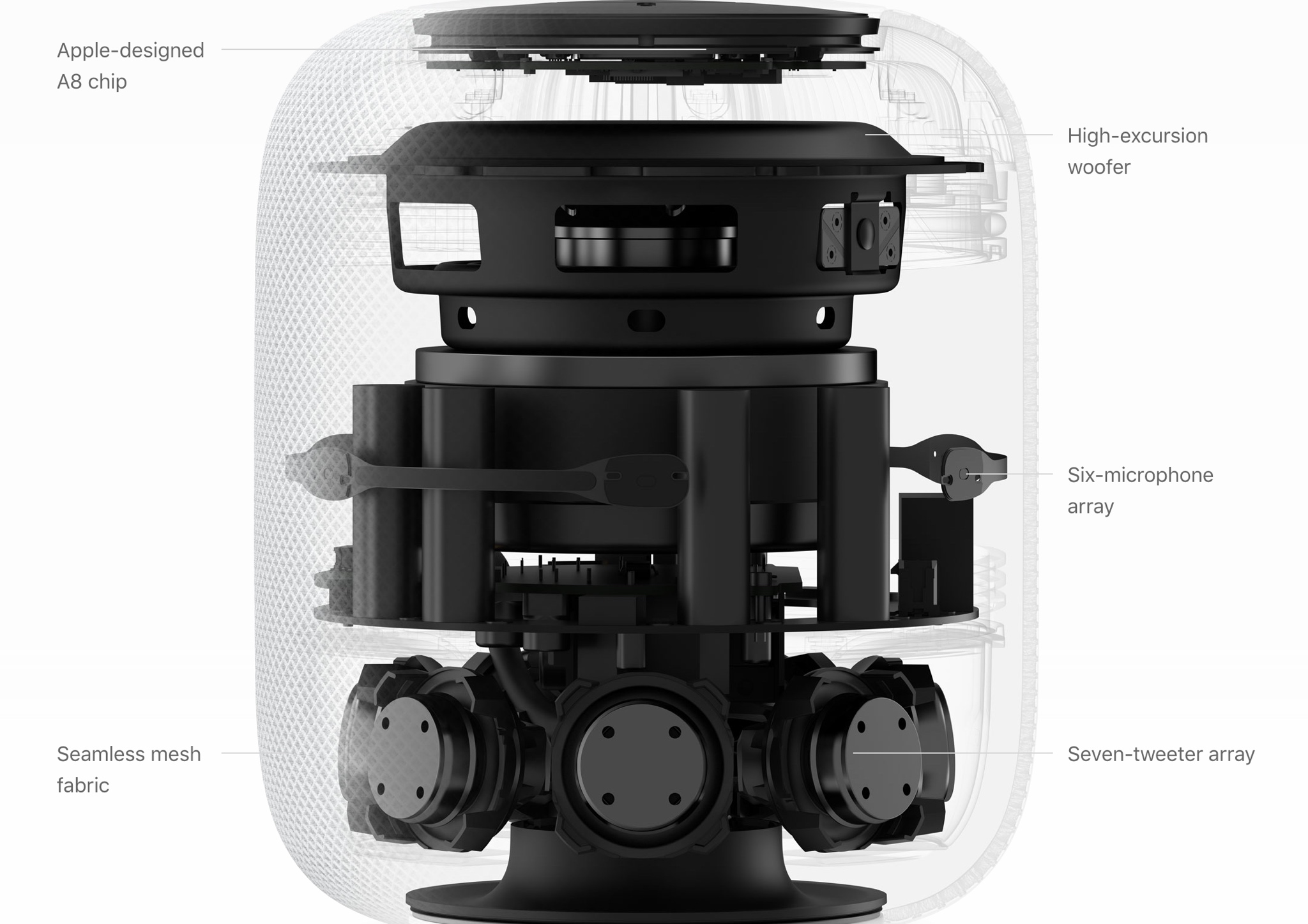
HomePod features an array of seven horn-loaded tweeters, each with its own custom amplifier, a high-excursion woofer with custom amplifier, internal low-frequency calibration microphone for automatic bass correction and a six-microphone array for far-field Siri and room sensing.
The built-in A8 chip constantly analyzes the music being played through the speaker, as well as the room layout, to continually optimize audio quality using software-based features such as direct and ambient audio beam-forming and transparent studio-level dynamic processing.
HomePod is due to launch this December.
Image: Amazon Echo Show with a built-in display
The Wall Street Journal reported Tuesday that Samsung has been developing a wireless speaker powered by its Bixby personal assistant to take on the rival Amazon Echo, Google Home and Apple HomePod devices.
Internally code-named “Vega”, the project has been in development for more than a year.
Citing people familiar with the matter, the report states that the release timing is far from determined because the device's feature set and other specifications are yet to be decided, much less a release date.
The development is said to have been held back by the progress of Bixby itself, which already forced the South Korean firm to launch Galaxy S8 without proper support for English voice commands which rolled out in preview form last month.
According to the report, Samsung sees the full release of Bixby voice support as “unlikely before the second half of July.”
Apple is taking a new responsibility in the world of delivering music to your home by unveiling the HomePod, a new wireless speaker and assistant for your house.
This intelligent new wireless speaker uses similar technology to what’s available in the AirPods, except it’s incredibly more advanced on both the software and hardware ends of things.
Apple’s HomePod was by far one of the most exciting announcements at WWDC 2017. A totally new kind of technology for Apple’s realm of expertise, HomePod is a speaker system that also acts as a Siri virtual assistant and HomeKit controller, among other things.
In this piece, we’ll go over the HomePod’s tech specs so that you have an idea of what kind of technology is packed into the new accessory.

It’s only two more weeks until WWDC '17, which means crunch time for experts and armchair analysts alike. A popular topic of gossip around this time of the year relates to one of Apple's less pompous devices, one that’s been marketed for years as our low-key living room hub, as Siri on the couch and more recently as the silent orchestrator of our smart home.
Fittingly, chatter of that kind is indeed coming to a head again, yet before you rub your eyes and wonder how you could have missed the news of a 5th generation Apple TV, this time the similar sounding rumors swirl around a brand new device, the alleged Siri speaker. My cheap attempt at having you mix up the two devices for a brief moment there admittedly wasn’t a real zinger, however it does typify a potentially sticky situation for Apple: at least on grounds of what we presume to know, we - the customers - would be forgiven for mistaking the two on the fly.
If we indulge in a sketchy juxtaposition of each devices’ (purported) capabilities, it quickly begs the question of what we have been overlooking so far. It is declaredly fishy to make inferences about a device that is all but fictitious to this date, nevertheless there are pieces of information we can glean from competitors' devices like Amazon’s Alexa, as well as telling interview snippets straight from the horse's mouth. Does that make a comparison of the Siri speaker and Apple TV less premature or ill-founded? Probably not, but jotting down what we (think to) know does become insightful when we try to ascertain the spaces the two products are likely going to occupy in the customers’ minds and households. What's the insight? Well, they could have a hell of a lot in common.
Always provided we don’t fail to understand the alleged Siri speaker correctly, the large overlap in features is on all accounts eye-catching. Both devices fundamentally vie for a central spot in your home, both offer to AirPlay (most of) your media, both boast Siri and HomeKit integration. The putative fork in the road is that unlike Apple TV’s focus on visual media, Siri speaker’s backbone will reportedly be advanced Siri capabilities and the simple fact that it will serve as a standalone speaker with formidable acoustic performance.
All these things considered though, is this going to be a unique enough selling proposition? It is clear that no product in Apple's line-up sits as brazenly in the spot of the new arrival as Apple TV does. If this was a game of musical chairs, and the music stopped playing on June 5, Apple TV would be defiantly hogging the one spot designated for the shiny new speaker. Naturally, this opens the door for product cannibalization in either direction, and that's where things get juicy. The implications for both products and their strategies mid to long term are plentiful. In my book, there's three possible outcomes to speak of: the two product lines (keep) selling like hot cakes, them selling like damp and cold cakes, or the two lines merging into one. The determinant? The speaker’s x-factor, or lack thereof.
Which cake are you going to sell, Apple? Option 1The most lucrative (and arguably still most probable) outcome in this tale of two devices is for Apple to quietly have a Siri speaker killer feature up their sleeve. It goes without saying that we’re dealing with hypotheticals and it could plainly be the case that we don’t know jack. In order to establish and sustain strong sales for both Apple TV and the new assistant, the latter would have to come up with some seriously innovative ideas; ideas that make the device indispensable to your household, without raining on your Apple TV’s parade.
What could that look like? In one of our previous podcast episodes of Let's Talk iOS, we have speculated about built-in security features, but realistically your guess is as good as ours. Two distinct devices with two distinct purposes would entail little overlap, and in turn minimal cannibalization.
Option 2The cold cake theory is that analysts have indeed pretty much figured out the device prior to release and there is no blind spot on our radar. In other words, the overlap is real. Such being the case, potential customers would in all likelihood wind up pitting the two devices against each other and ultimately picking the one that comes closest to fitting their needs.
This route would most definitely spell product cannibalization, since only the hardcore would entertain both devices at home, plus the mere existence of Apple TV could already hamper the launch success of the Siri speaker. By the same token, current Apple TV owners could be swayed towards a more mobile AirPlay station and the existing customer base would effectively be split in halves. Before they know it, both devices could be relegated back to the company’s ominous ‘hobby’ status.
Option 3Lastly, the new Siri speaker could (organically or forcibly) usurp the role of Apple TV at some point down the line. Once launched, the people will vote with their wallets and it is not a stretch to imagine a smarter, more capable home hub by Apple outsell and eventually dwarf Apple TV. If a chunk of Apple TV owners in addition migrated to the Siri speaker, the product line itself would barely be feasible for much longer.
As a result, Apple could easily equip the more potent Siri speaker with streaming functionalities as soon as the tide has turned in the device’s favor. Customers would no longer have to weigh up two similar-but-different products, but rather purchase the same one and thereafter decide the role it will play in their household. Coffee table device or television box, whatever they see fit.
What's your take?One way or another, the reported new arrival is going to make massive waves at and after WWDC 17. Are we witnessing the quiet axing of Apple TV or not? What's Apple's secret ingredient for the Siri speaker going to look like? Not much longer until we will know, so place your bet in the comments now!