iOS

Pangu creates official Reddit account, tweets public statement on recent hack claims

Pangu was recently subjected to trust issues after a thread made it to Reddit claiming that some users had unauthorized charges from Beijing on their PayPal account after jailbreaking, others had their Facebook account show login attempts from various Asian countries, but mostly from China.

Despite all of the confusion, Pangu has made an official statement, and we have the scoop.
Apple is reportedly revoking some certificates used to jailbreak iOS 9.3.3 from Safari

Over the weekend, Pangu and 25PP launched a jailbreak for iOS 9.2-9.3.3, and not long after, iOS developers found a way to make the jailbreak possible via the Safari web browser without the need to use a computer.

Unfortunately, however, Apple appears to be blocking the enterprise certificate that has been used in this process, so attempting jailbreaks from the device itself isn't currently working.

Latest Apple updates have fixed major Stagefright-like security hole in TIFF image handling

Apple's OSes suffer from a previously unknown exploit which could allow an attacker to compromise the security of a device by having the user open an unsuspecting TIFF image file. Thankfully, the vulnerability has been patched in the most recent releases of iOS, macOS, watchOS and tvOS.

Resembling the dangerous Stagefright exploit that plagued Google's Android platform for the better part of last year, the security hole could allow a nefarious user to gather sensitive data from your device as soon as you access a simple text message containing a malicious TIFF image file, Fortune said yesterday.

ProximityLock lets you lock your iPhone with its proximity sensor

Those of you still rocking a jailbreak despite these dry last few weeks have some new jailbreak tweaks to check out this weekend.

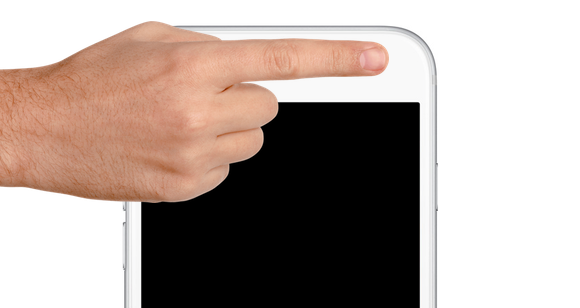
One of those is ProximityLock, which is a new freebie that lets you lock your iPhone with nothing more than the proximity sensor by waving your hand over, or putting your finger over the sensor right by the front-facing camera and ear speaker.

It seems that iOS 10 beta 2 locks some people out of their Apple ID

Some folks with iOS 10 beta 2 installed on their iPhone are finding that they've been locked out of their Apple ID account, unable to perform a password reset. As per a new thread on Reddit, the problem seems to affect a portion of iOS 10 beta 2 users whose Apple ID account has been protected with Apple's two-step authentication system, which requires both a password and a one-time six-digit code when using iCloud on a new device.

We're posting this as convenience for those who have been affected. If you're seeing this, you probably don't need to worry about your Apple ID being hacked and unrecoverable, it's just a bug in iOS 10 beta 2.

Has Apple gone mad? More iOS 10 parts left unencrypted in beta 2

As you know, security experts were baffled realizing that the iOS 10 kernel in beta 1 was not encrypted. Apple argued it was no big deal because the kernel contained no user data so the company had left it unencrypted intentionally in order to increase general system performance, in their own words.

But Apple didn't stop there.

As first discovered by prominent jailbreak developer and iPhone hacker, MuscleNerd, iOS 10 beta 2 actually leaves more parts of the operating system unencrypted.

What's going on here?

iOS 10 tidbit: unlocking iPhone and iPad without launching Home screen

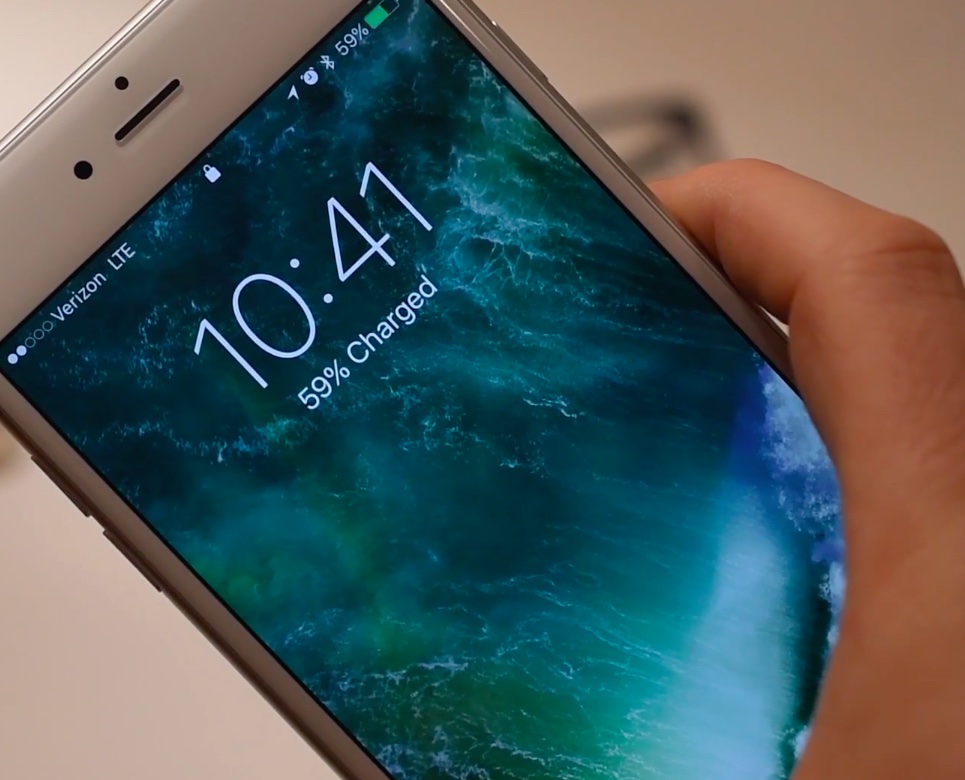
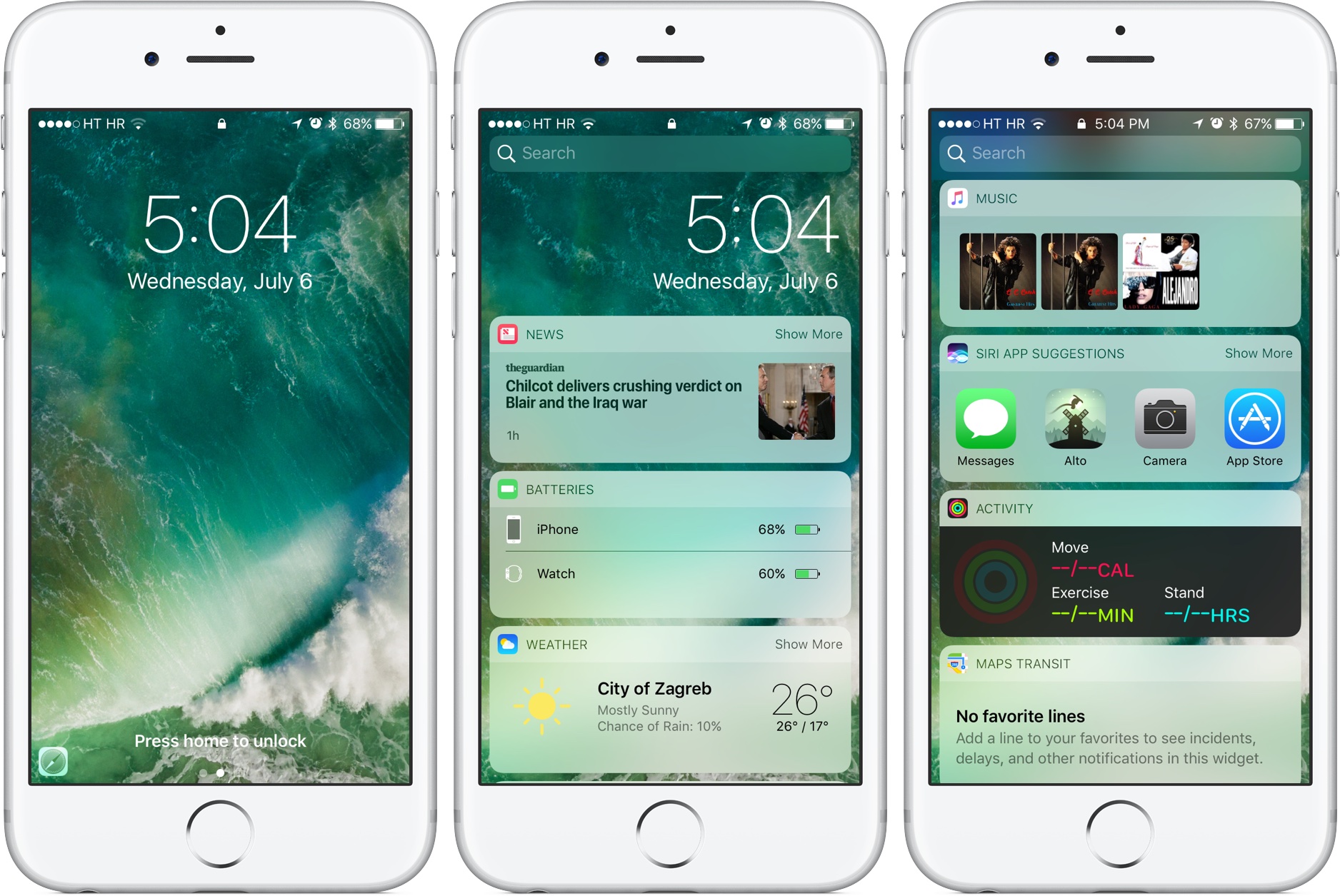
As we wrote before, iOS 10 changes the way unlocking your iPhone, iPad and iPod touch works. For starters, iOS 10 does away with the familiar slide-to-unlock gesture so instead of “Slide to Unlock”, which now takes you to a dedicated widgets screen, you get to see a new “Press Home to unlock” message on the Lock screen.

As a result, unlocking a Touch ID-outfitted iOS device now requires you to press the Home button rather than rest your finger on it, like in prior editions of the software. But as it turns out, iOS 10 gives users another, previously unavailable option for unlocking their device without automatically launching the Home screen.

Clearing your search history from the Instagram app

Instagram users who search for things frequently leave a trail behind that shows everything they've searched for, and to some who are used to hiding their tracks, this could be considered a privacy concern.

If you want to clear your search history from the Instagram app on your iPhone or iPod touch, then follow along as we take you through the simple steps to do so in this tutorial.

A closer look at Differential Privacy in iOS 10 and macOS Sierra

Making Apple services even smarter and more personalized entails processing troves of information because intelligence is driven by big data. The fact that iOS 9's proactive features don't tap into the cloud has served Apple well thus far. But since Google Assistant came to light, people have been wondering if Apple can compete without resorting to raw data collection Google is infamous for.

iOS 10 and macOS Sierra represent Apple's refined approach to privacy, which revolves around new techniques collectively known as Differential Privacy. An en vogue statistical method, Differential Privacy helps Apple deliver smarter services without compromising privacy of their users.

It's a relatively unproven technique with lots of potential which hasn’t been used to boost Apple's services before iOS 10 and macOS Sierra. Here's a closer look at Differential Privacy, how it powers intelligence and proactiveness and why it should serve Apple better than Google's bulk data collection and analysis.

Apple explains why iOS 10 kernel is unencrypted

Following the discovery by MIT Technology Review that the kernel in iOS 10 beta is unencrypted, Apple has gone on the record to explain why that's the case. Speaking with Dave Mark of The Loop, an Apple spokesperson has officially confirmed that the decision was intentional.

Now, some security experts speculated that leaving the iOS 10 kernel unencrypted would aid anyone, nefarious users included, looking for security weaknesses in the iOS software.

Apple explains why such fears are unfounded.

iOS 10 beta kernel is unencrypted, but why?

MIT Technology Review has discovered that the kernel in iOS 10 beta is unencrypted, making it a lot easier for technology-minded users, jailbreak developers and the like to take a peek under iOS's hood and pinpoint any potential vulnerabilities.

For those wondering, kernels in all prior iOS betas used to be encrypted. Is this a bold move meant to help strengthen security in iOS 10 or will this decision actually introduce further security risks and open new attack vectors for hackers to exploit?