Apple's M2 and R1 chips that power its Vision Pro headset have sixteen gigabytes of RAM arranged in Apple's unified memory architecture that cannot be upgraded.
Vision Pro is equipped with 16GB of RAM in Apple silicon’s unified memory architecture
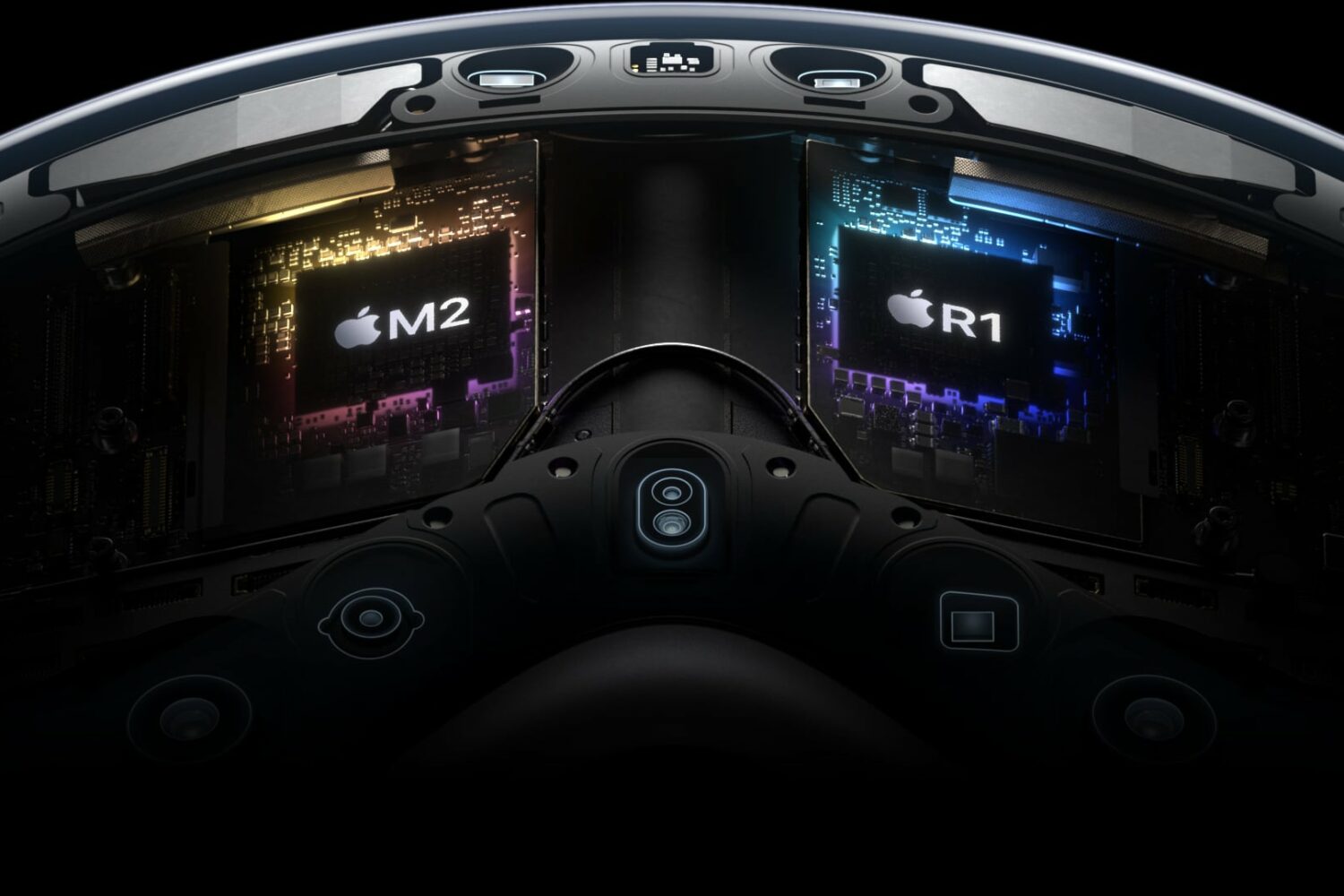
Apple's M2 and R1 chips that power its Vision Pro headset have sixteen gigabytes of RAM arranged in Apple's unified memory architecture that cannot be upgraded.
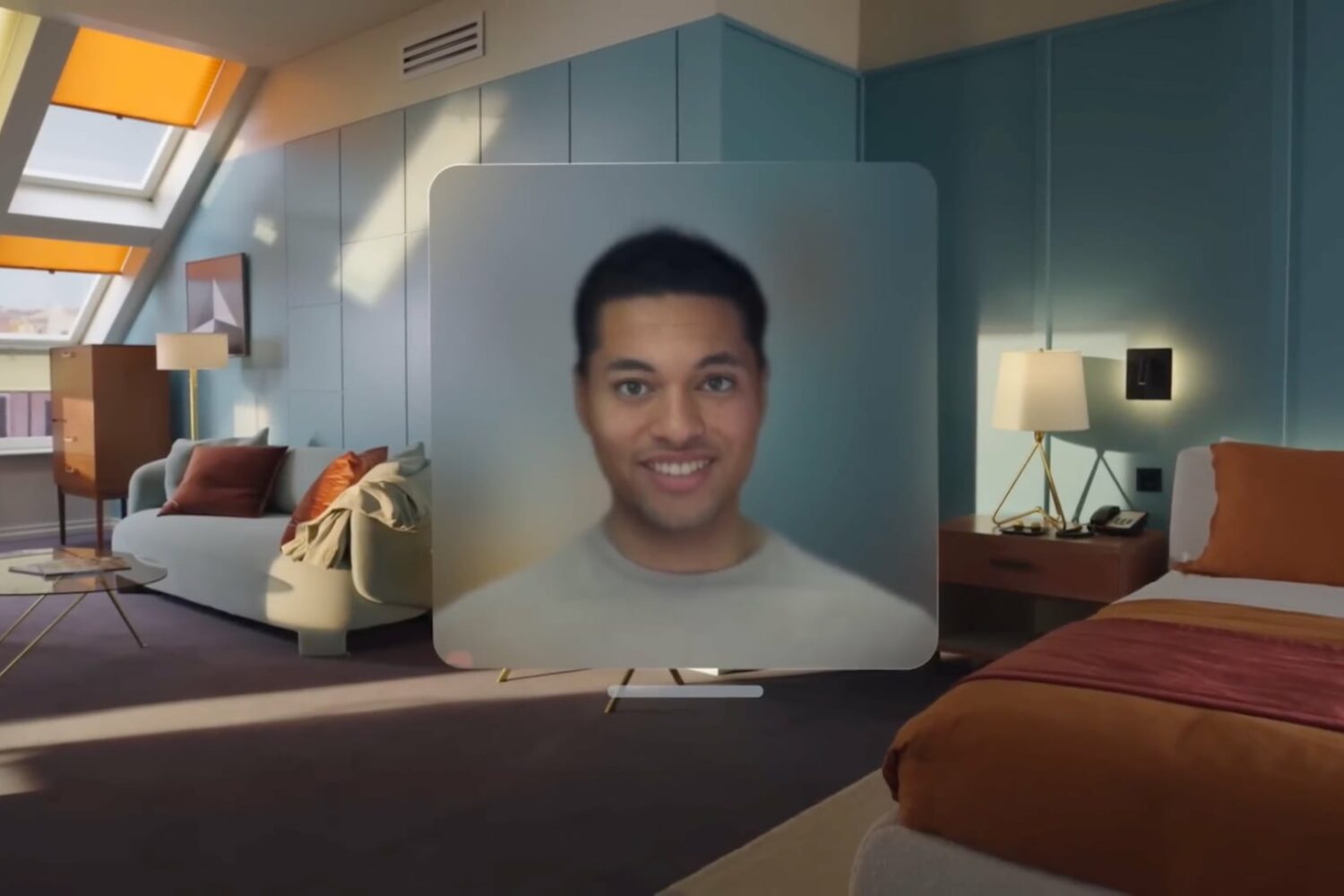
The Vision Pro uses your digital representation—dubbed Persona—while videoconferencing on FaceTime or other apps, but the feature will arrive in beta.
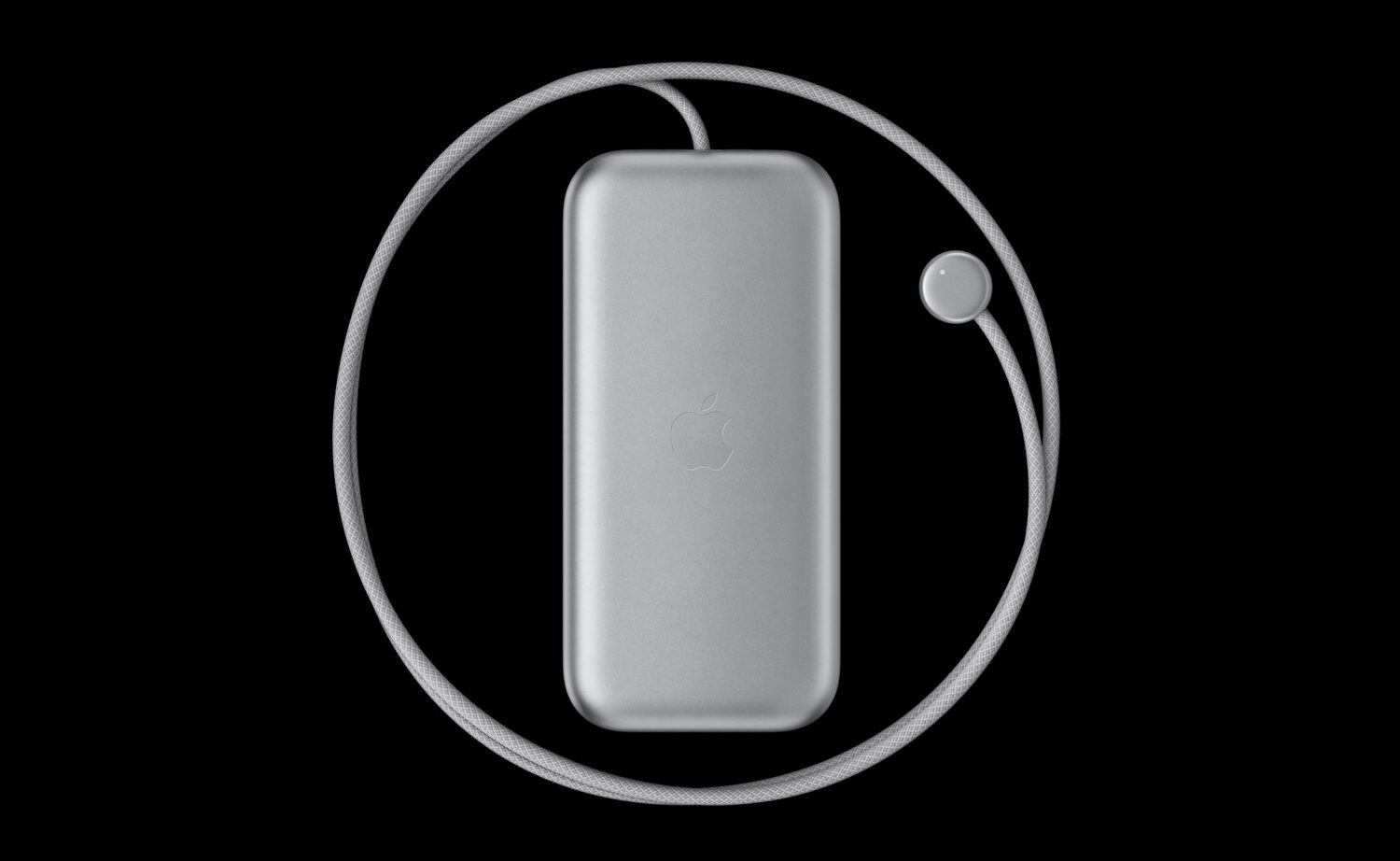
Apple rates the Vision Pro's external battery pack with 2.5 hours of video playback on a single charge when watching a 2D movie in a virtual reality (VR) environment.
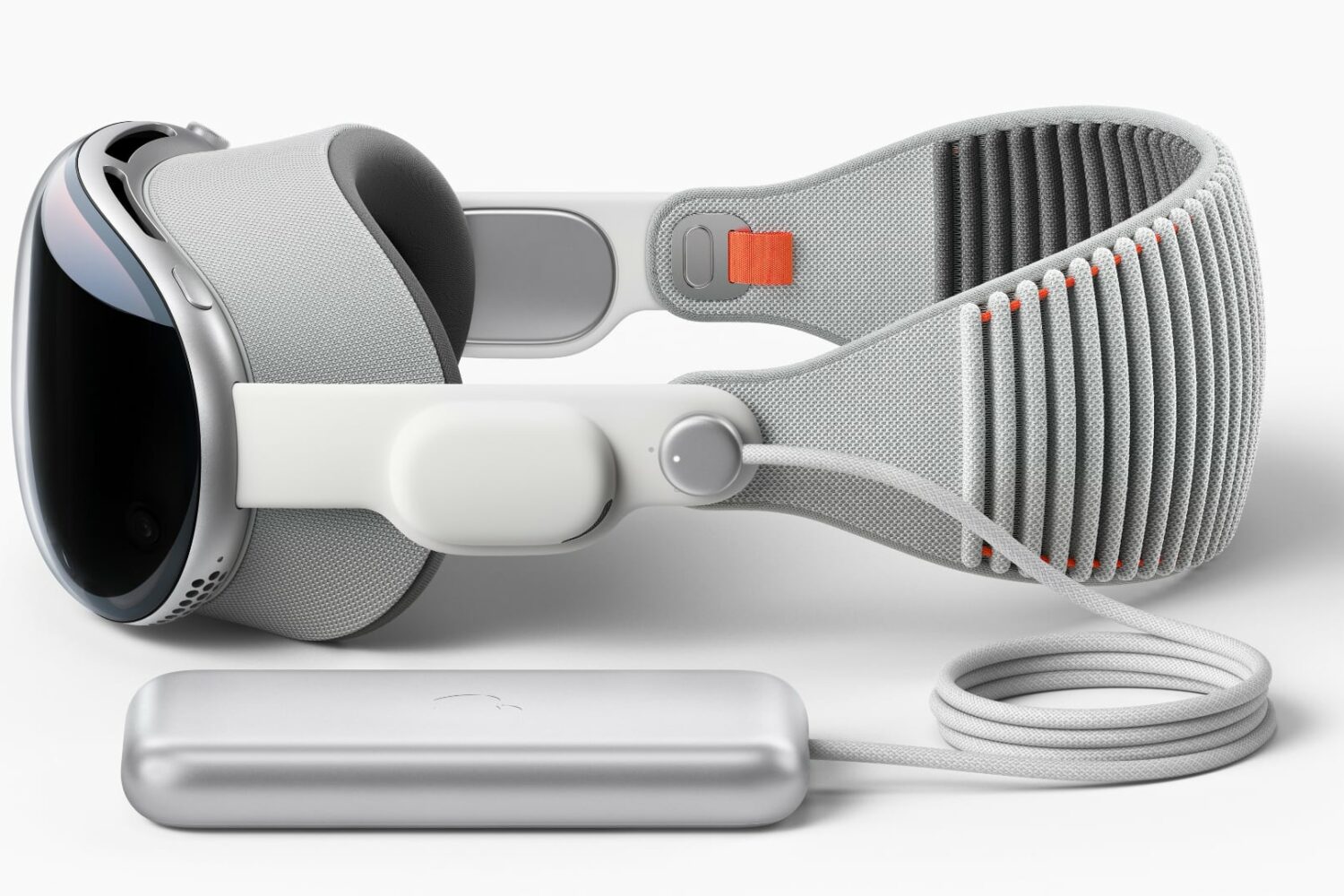
You can pre-order a Vision Pro headset starting Friday, January 19, with first shipments expected on February 2, 2024.
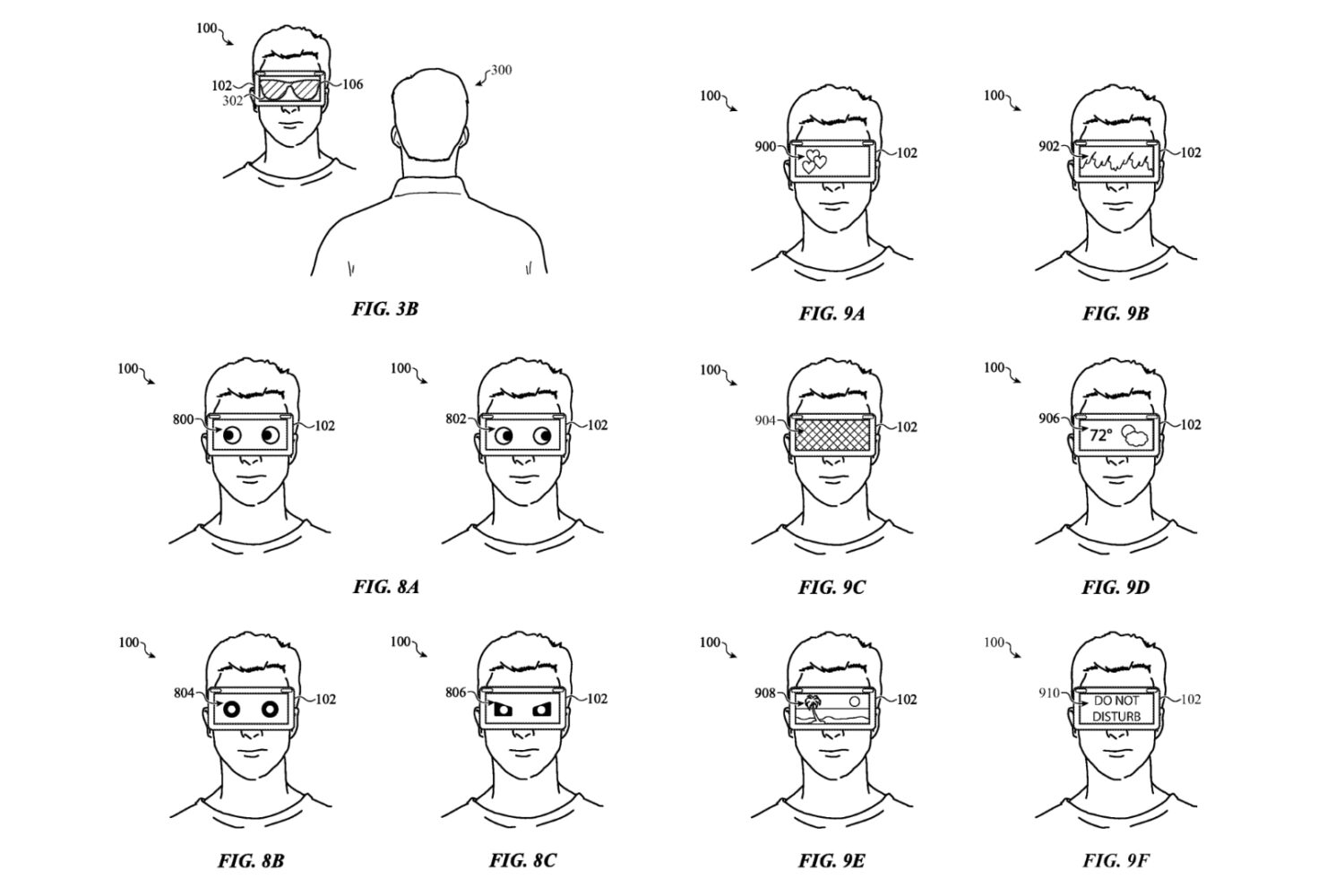
The Vision Pro’s EyeSight feature could display Zoom eyes and symbols like Do Not Disturb to indicate to others that the wearer might be in an important meeting.

A sketchy new report alleges that Apple's Vision Pro mixed-reality headset could launch in the United States during the final week of February.
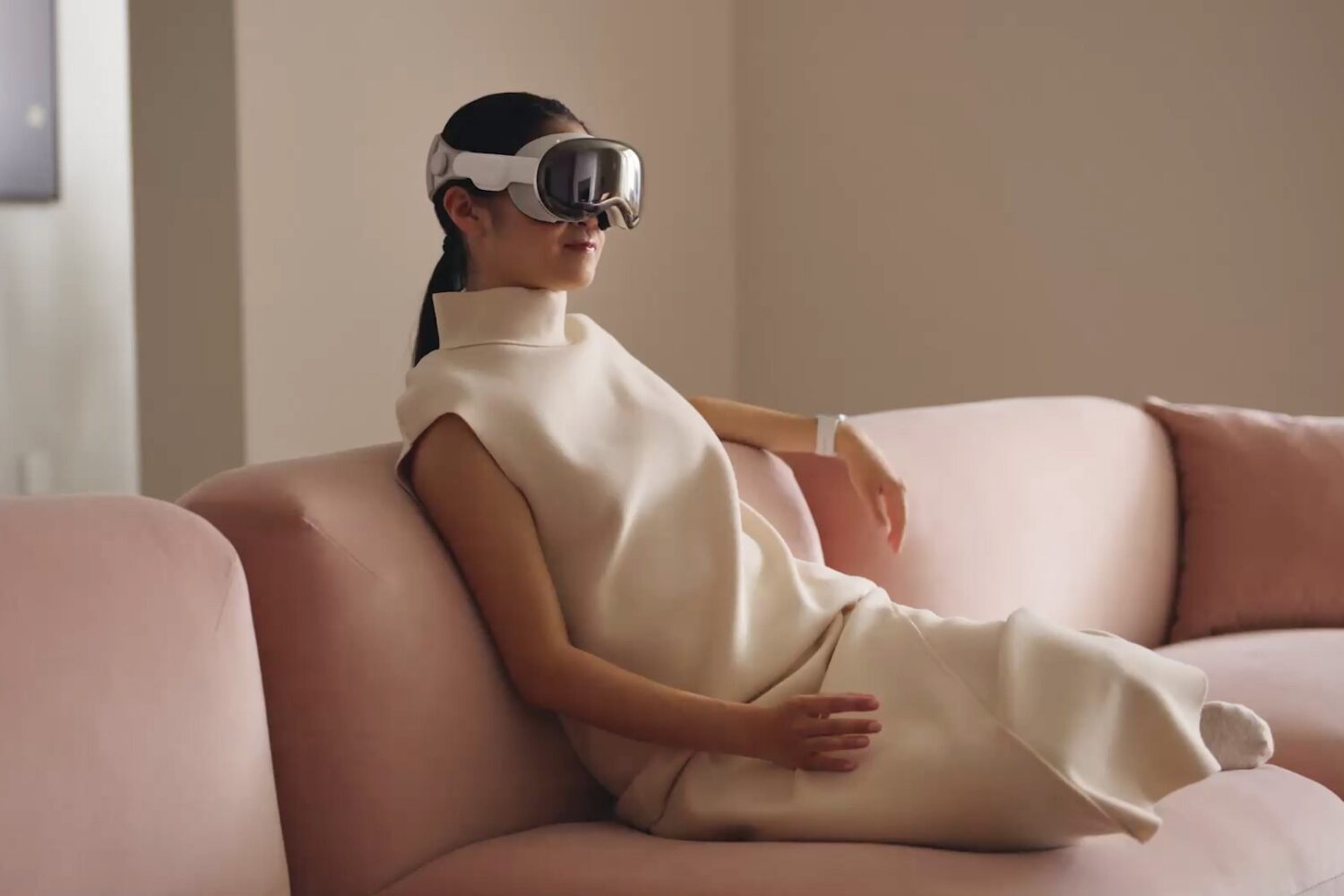
Apple has ramped up production of the upcoming Vision Pro and is reportedly planning to launch the $3500 mixed-reality headset in February.
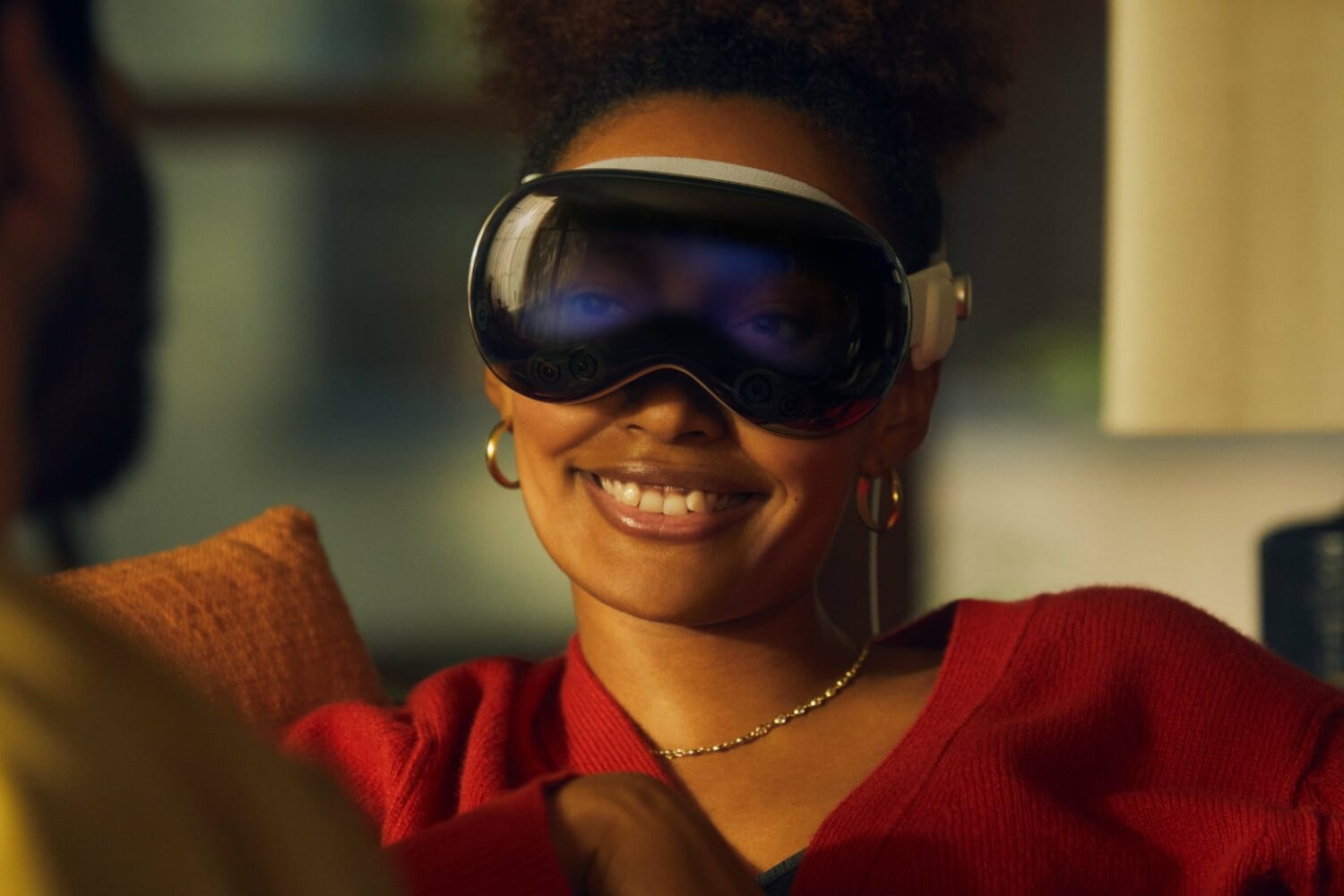
Apple has reportedly delayed a cheaper Vision Pro headset as its suppliers are struggling with the complex design of the current $3500 AR/VR headset.
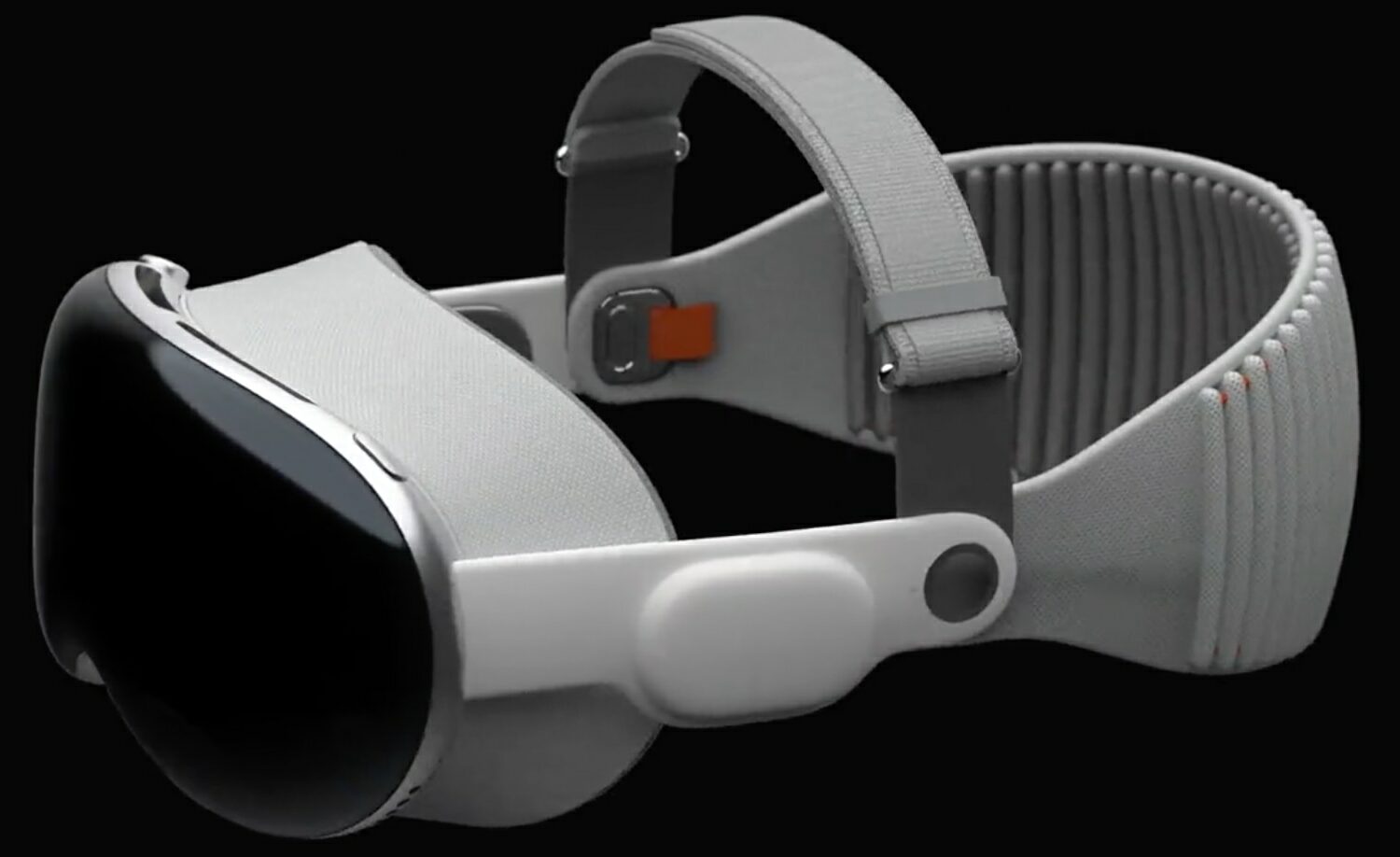
The Vision Pro's optional top strap could help the headset fit more snugly on the wearer's head, and a new render shows how it might work.
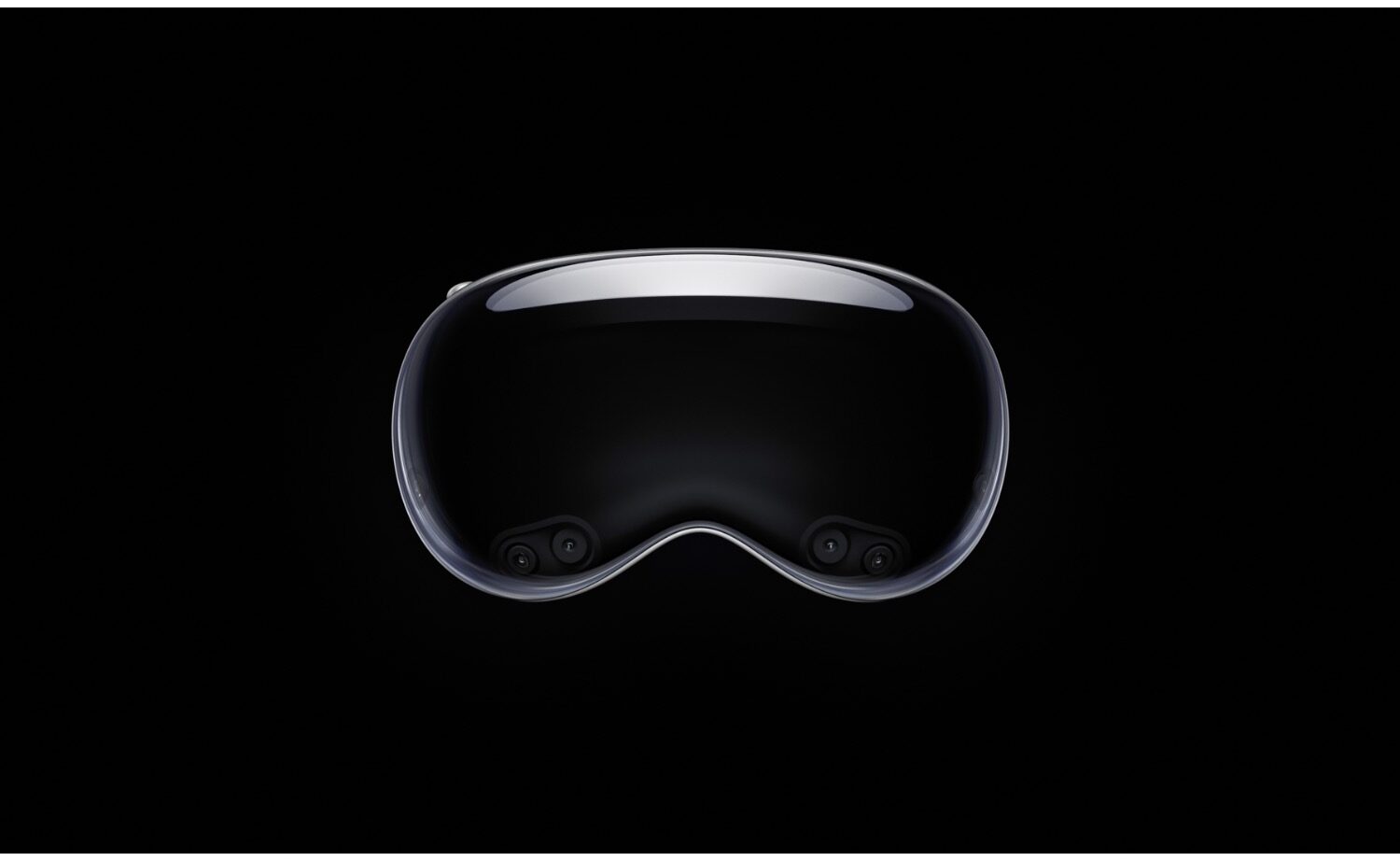
Vision Pro has a speed limit to prevent car or train usage. It automatically hides VR content until you return to a safe speed.
Apple's visionOS software defines a 10x10-feet system boundary for virtual reality (VR). Step outside this safe box, and the Vision Pro automatically stops VR.
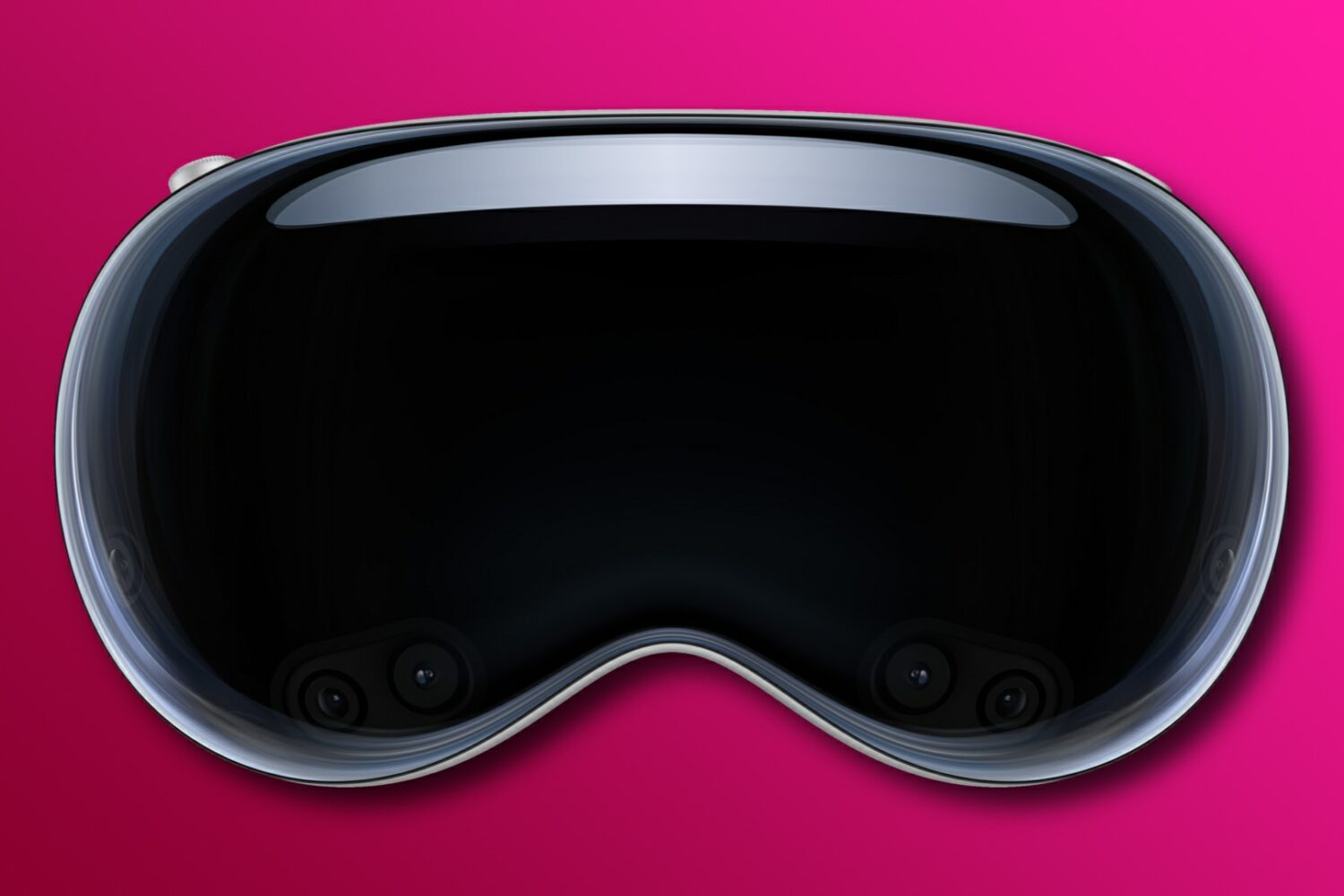
Some features that didn't make the cut for the first Vision Pro headset are reportedly still planned for the next iteration of Apple's spatial computer.