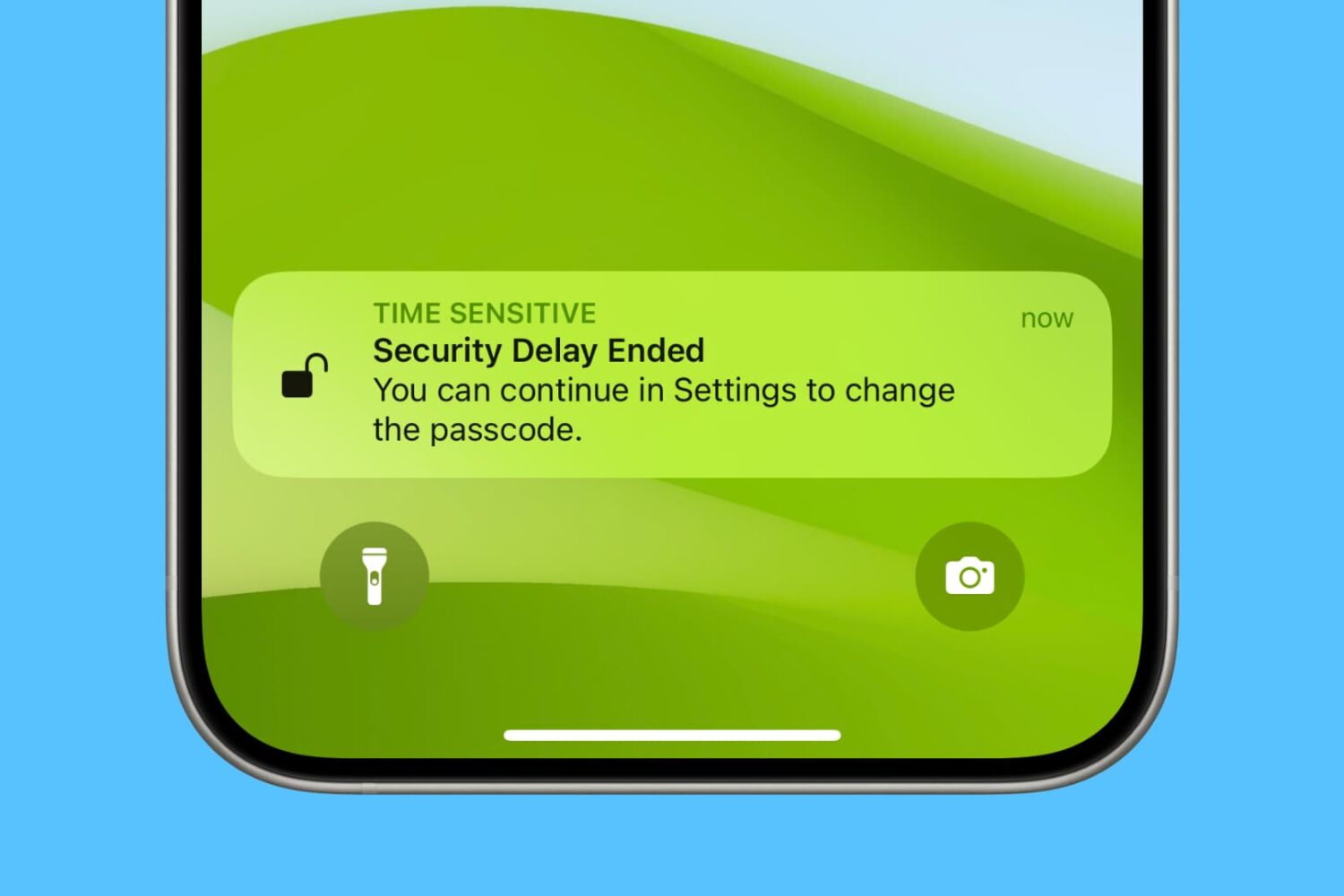
AutoProtect automatically disables your iPhone’s passcode when on your home Wi-Fi network

by Jeff Benjamin on May 10, 2012

If the title to this post seems a little familiar, you’re not imagining things. AutoProtect is a tweak that works very much like Filippo Bigarella’s CleverPin, in that it auto-disables the passcode lock once it senses you’re on a “friendly” Wi-Fi network.

Although it’s certainly not an original idea, AutoProtect works well from my testing, and provides you with a nice balance of convenience and peace of mind that’s often hard to come by… Read More


iOS 5.1.1 includes fix for dangerous Safari URL spoofing vulnerability

by Cody on May 7, 2012

Earlier today, Apple released a new version of its mobile software: iOS 5.1.1. The update includes a number of bug fixes, and also apparently contains a patch for the dangerous URL spoofing vulnerability in mobile Safari.

We told you about the exploit, discovered by the folks at Major Security, back in March of this year. It allows web pages to spoof URLs in Safari’s address bar, leading users to believe they’re on a different website… Read More


Surf the web in total privacy with Onion Browser

by Cody on Apr 27, 2012

If a person wanted to browse the web discreetly on their iOS device, there are a number of ways to do so. For starters, there is the native ‘Private Browsing‘ function in mobile Safari. And there dozens of third-party browsers available with similar features.

But if a person wanted to browse the web in an untraceable, highly-secure, super-stealth manner, they might have to turn to an app like Onion Browser. The software allows you to encrypt, block, and spoof your way to total anonymity on the web… Read More


Apple prompting users to make their Apple ID accounts more secure

by Cody on Apr 12, 2012

Have you recently received a notification on one of your iOS devices prompting you to confirm your Apple ID password? If so, you’re not alone. Users have been flocking to Apple’s support forums to report the suspicious popup.

No, it’s not a phishing scam. Apple is trying to beef up its security. TheNextWeb is reporting that over the past 24 hours, the company has started prompting iOS device owners to make their accounts more secure… Read More


Security hole in Facebook app could lead to identity theft

by Cody on Apr 6, 2012

Folks who use Facebook’s iOS app might want to make sure to stay away from using public computers and charging stations for a while. Apparently a serious security glitch has been discovered in the software that could give hackers access to your account.

Security researcher Gareth Wright published a blog post yesterday that has raised some serious questions about how iOS developers are handling saved values — logins, etc. It seems that some apps are saving this data in plain, unencrypted text files… Read More


How secure is your iCloud data?

by Cody on Apr 4, 2012

To say that iCloud is a big deal for Apple is a bit of an understatement. The cloud-based storage and backup service was launched just 6 months ago, alongside the iPhone 4S and iOS 5, and has already garnered more than 100 million users.

But its quick rise in popularity and deep integration into Apple’s software has led to one major question: how secure is it? Well the folks over at ArsTechnica recently spoke with some software security experts to find out… Read More


Chronic: Two-minute iPhone crack valid only if passcode is 0000

by Christian Zibreg on Apr 3, 2012

Remember that two-minute passcode lock exploit we told you about last week? The one by Swedish security firm Micro Systemation behind the XRY app that can get to your data, including contacts, messages and call logs? Well, prominent hacker Chronic has proved them wrong. In an effort to set the record straight, the hacker posted a clarification on his website that pretty much debunks their claim.

Though the XYR tool taps a popular jailbreak exploit, Chronic is adamant the two minutes it takes to crack your passcode is only valid if you set your passcode to ’000′. Conspicuously, that’s the passcode the firm showed in their demo clip. Interesting enough, the original video of the exploit in action is no longer available on YouTube. Read More


Tweetbot developer confirms Apple is now rejecting apps over use of UDIDs

by Christian Zibreg on Mar 29, 2012

A report on Monday alleged Apple began rejecting third-party iOS apps that make use of Unique Device Identifiers (UDIDs). Today, developer Paul Haddad confirms that a new build of his Tweetbot app failed to pass Apple’s requirements due to its use of UDIDs. Haddad received an email from the company that cites section 17.1 of the App Store Review Guidelines.

It states “apps cannot transmit data about a user without obtaining the user’s prior permission and providing the user with access to information about how and where the data will be used”.

With this app rejection, I think we can safely conclude that developers are now wise to drop UDIDs from their apps. Better late than never, if you ask me… Read More


Apple begins rejecting apps that access UDIDs

by Oliver Haslam on Mar 25, 2012

Apple is beginning to reject app submissions which access a device’s UDID, according to a report by Mashable.

You just can’t beat a good privacy scare, and the one surrounding the use of UDIDs, or Unique Device Identifiers is the current biggie. Used by developers and advertising companies, UDIDs allow tracking of individual devices which has the privacy conscious up in arms.

With Apple now reportedly rejecting apps that use UDIDs, developers, ad. agencies and anyone else who may legitimately use UDIDs will need to re-write their apps to remove the feature… Read More


Safari exploit that allows URL spoofing discovered in iOS 5.1

by Cody on Mar 22, 2012

Although iOS is considered to be one of the safest mobile operating systems on the market, it’s not perfect. This is something that those of us in the jailbreak community know all too well.

With that in mind, it’s not terribly surprising that another security bug has recently been discovered in Apple’s software. Reports are surfacing today that an exploit has been found inside mobile Safari… Read More

 
Page 112345...